7 Electric Utility Vehicle Buying Tips for Global Buyers
Buying an Electric Utility Vehicle for global operations requires more than comparing prices and battery sizes. A vehicle that performs well on a smooth warehouse floor may struggle on a muddy farm road. Terrain, payload, climate, charging access, and daily duty cycles all shape the right decision.
Field evaluations often reveal practical details that brochures overlook. A steep ramp can reduce range quickly. Heavy tools can change braking performance. Cold mornings may extend charging time. Small observations matter. Buyers should verify manufacturer specifications through independent testing, customer references, and documented service records. Local safety requirements and operating standards also deserve careful review before purchase.
These seven buying tips focus on decisions that affect real ownership costs. They examine battery chemistry, motor output, ground clearance, cabin protection, maintenance support, warranty terms, and replacement-part availability. A trusted supplier should explain limitations clearly, not only advertise maximum range. That honesty is valuable.
No checklist is perfect. Even experienced buyers can underestimate seasonal conditions or operator training. A promising demonstration may not represent twelve months of work. Test the Electric Utility Vehicle with realistic loads, routes, and weather whenever possible. Record energy use, charging time, comfort, and maintenance concerns. Reliable evidence makes global purchasing more defensible. It also helps teams avoid expensive assumptions and select a vehicle that fits actual work, not imagined performance.
Define the Main Types and Uses of Electric Utility Vehicles
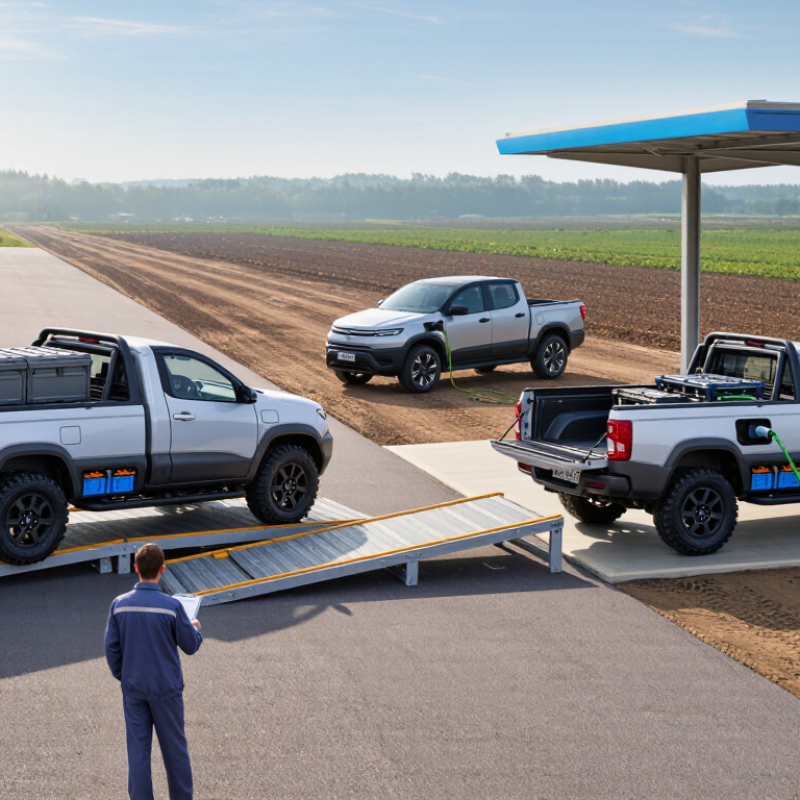
Electric utility vehicles are not one category. They include low-speed utility carts, electric UTVs, pickups, and service vans. Low-speed models suit campuses, resorts, warehouses, and gated facilities. Their compact bodies fit narrow paths and carry tools, bins, or small loads. Electric UTVs and pickups handle farms, parks, construction sites, and rough maintenance roads. Vans support delivery routes, mobile technicians, and municipal work. The IEA’s Global EV Outlook 2024 reported nearly 14 million electric cars sold in 2023, representing about 18% of global car sales. That figure excludes many specialized utility vehicles, but it confirms growing electric experience across fleets.
The use case should define the vehicle. Measure payload, towing needs, ground clearance, daily distance, and charging access. A van used for eight-hour routes needs different battery planning than a cart traveling two kilometers between buildings. The U.S. Department of Energy’s Alternative Fuels Data Center distinguishes neighborhood electric vehicles from larger electric vehicles through speed, road access, and operating purpose. Buyers should verify local requirements before importing or deploying any model. Specifications can look impressive. Real duty cycles are less forgiving.
Tip: Match the vehicle to one primary job, then test it on the actual route. Check battery performance in heat, rain, slopes, and winter conditions. Ask for service intervals, charger compatibility, and battery warranty terms. I would not rely on brochure range alone. It is a useful starting point, not field evidence. Leave payload capacity for tools and passengers. Small oversights become expensive.
7 Electric Utility Vehicle Buying Tips for Global Buyers
Define the Main Types and Uses of Electric Utility Vehicles
Payload capacity is a practical starting point when selecting an electric utility vehicle. Compact carts are suited to campuses, resorts, warehouses, and short-distance maintenance work, while pickup-style vehicles and electric trucks are better for construction, municipal services, agriculture, and industrial transport. The figures represent typical payload capacities for common vehicle categories; actual specifications vary by configuration, terrain, battery size, and local regulations.
Match Vehicle Capacity and Performance to Your Worksite Needs
7 Electric Utility Vehicle Buying Tips for Global Buyers
Match Vehicle Capacity and Performance to Your Worksite Needs
Tip 1: Measure your real payload, not the brochure maximum. Include tools, passengers, batteries, and seasonal equipment. Tip 2: Check axle loading and cargo balance. Uneven weight can reduce braking control on rough access roads. Tip 3: Compare motor torque, gradeability, and ground clearance with your steepest route. A flat-yard vehicle may struggle on wet hills.
Tip 4: Calculate the complete duty cycle. Record daily distance, stop frequency, idle time, terrain, and return-to-base patterns. The International Energy Agency reported nearly 54,000 electric truck sales globally in 2023, with sales rising about 35%. Growth is strong, but vehicle specifications still vary widely. Tip 5: Size the battery for useful work, not maximum advertised range. The U.S. Department of Energy’s Alternative Fuels Data Center states that Level 2 charging can add roughly 10 to 60 miles of range per hour, depending on the vehicle and charger.
Tip 6: Test the vehicle with its intended load. Drive it over ramps, gravel, tight corners, and repeated stops. Measure energy use before signing a purchase order. Tip 7: Review climate performance, charging access, tire support, and technician training. Cold weather, heavy loads, and frequent slopes can reduce practical range. A spreadsheet may look precise, yet field measurements often disagree. Leave operating margin, but do not buy unnecessary battery capacity. That mistake increases cost, weight, and charging time.
Check Battery Range, Charging Options, and Operating Conditions
7 Electric Utility Vehicle Buying Tips for Global Buyers
Battery range should match the route, not the brochure. The IEA’s Global EV Outlook 2024 reports that electric vehicle sales exceeded 14 million worldwide in 2023. Yet real utility work adds weight, hills, idling, and repeated stops. Range is not static. In field tests, carry the normal payload, use planned accessories, and record energy consumption over several shifts. Cold weather can reduce usable range, so leave a practical reserve instead of targeting zero.
Tip 1: Compare usable battery capacity, not only the advertised figure.
Tip 2: Check whether the vehicle supports overnight AC charging, workplace charging, or faster DC charging. The U.S. Department of Energy’s Alternative Fuels Data Center notes that AC charging commonly serves daily parking, while DC charging is better suited to shorter turnaround times. Confirm connector standards, charging power, installation limits, and local electricity conditions before ordering.
Operating conditions deserve equal attention. Dusty yards, steep access roads, standing water, and temperatures below freezing can change performance and maintenance needs. Ask for verified battery protection ratings and test data under similar conditions. A spreadsheet can still mislead. We once underestimated winter heating demand because the route looked flat and short. Check cabin heating, tire wear, payload stability, and service access during a supervised trial. Small operational details often decide whether the vehicle works reliably on Monday morning.
Evaluate Safety Features, Maintenance, and Total Ownership Costs
7 Electric Utility Vehicle Buying Tips for Global Buyers
Safety should be checked during a real working trial, not only in a showroom. Test braking on wet ground, uneven paths, and steep access roads. Check seat belts, rollover protection, lighting, mirrors, and pedestrian warning sounds. A low center of gravity can improve stability, but it does not remove tipping risks. Ask for verified test records and clear load limits. Do not rely on attractive specifications alone.
Maintenance affects daily productivity. Inspect battery access, cable protection, tire replacement, brake adjustment, and underbody cleaning points. A technician should reach common service parts without removing half the vehicle. Ask how quickly replacement components can arrive in your region. Check charging requirements, temperature limits, and battery warranty conditions. Small delays become expensive during harvests, campuses, or industrial shifts. Keep that in mind.
Total ownership cost includes more than the purchase price. Estimate energy use, scheduled servicing, insurance, operator training, downtime, tires, batteries, and resale value. Compare costs over five years, using realistic working hours. I would also calculate a pessimistic case with higher electricity prices and unexpected repairs. This feels less exciting, yet it exposes weak assumptions. A vehicle that costs less today may demand more labor tomorrow. Local service quality can matter as much as vehicle efficiency.