Top 10 Benefits of Renewable Energy: Why It Matters for Our Future
As the world grapples with the pressing challenges of climate change and energy security, the transition to renewable energy sources has become an imperative for a sustainable future. Experts in the field, such as Dr. Jane Goodall, a renowned environmental scientist, emphasize the significance of this shift. She once remarked, "What we are doing to the forests of the world is but a mirror reflection of what we are doing to ourselves and to one another." This underscores the interconnectedness of our environment and the urgent need for cleaner energy solutions.
The benefits of renewable energy extend far beyond merely mitigating environmental harm. They encompass economic growth, energy independence, health improvements, and job creation, making them a pivotal element in shaping a better future for generations to come. As we explore the top 10 benefits of renewable energy, it is crucial to understand that these advantages not only contribute to a sustainable planet but also promote innovation and resilience within our economies. In this context, the conversation about renewable energy becomes not just relevant but necessary for ensuring a thriving ecosystem and society as a whole.

Benefits of Renewable Energy for Environmental Sustainability
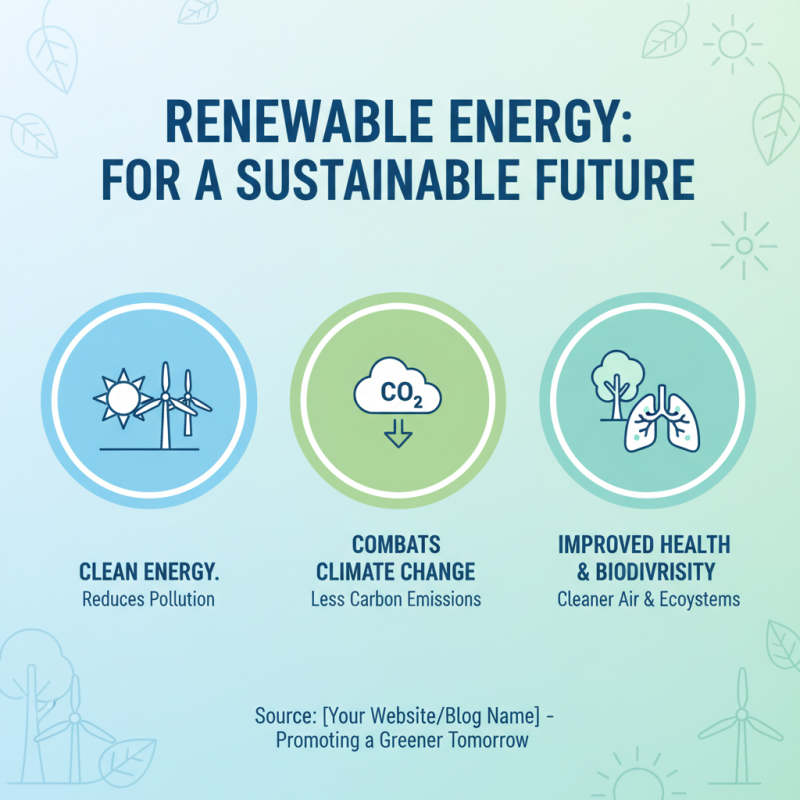
Renewable energy plays a crucial role in promoting environmental sustainability, offering a cleaner and more sustainable alternative to fossil fuels. One of the primary benefits is the significant reduction of greenhouse gas emissions. Unlike traditional energy sources, renewables such as solar, wind, and hydroelectric power generate energy without releasing harmful pollutants into the atmosphere. This reduction in carbon emissions can help combat climate change and improve air quality, ultimately benefiting both human health and biodiversity.
Additionally, renewable energy sources are inherently sustainable, as they rely on natural processes that are continuously replenished. For instance, sunlight and wind are abundant and inexhaustible in the long term, which means they can provide an ongoing supply of energy without depleting resources. This sustainability not only secures energy availability for future generations but also fosters a transition towards a more circular economy, where waste is minimized and resources are efficiently utilized. By investing in renewable energy, we pave the way for a healthier planet and contribute to a resilient ecosystem that can withstand environmental changes.
Economic Advantages of Adopting Renewable Energy Sources
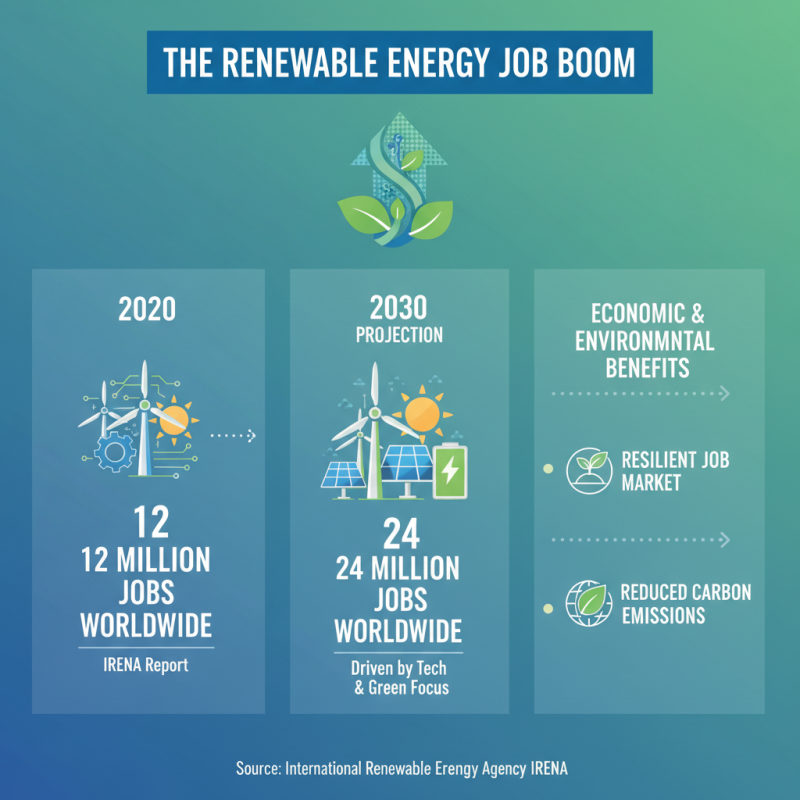
The economic advantages of adopting renewable energy sources are increasingly evident as global investment continues to shift towards sustainable practices. According to a report by the International Renewable Energy Agency (IRENA), the renewable energy sector has created approximately 12 million jobs worldwide as of 2020, with projections indicating that this number could grow to 24 million by 2030. This growth is driven by advancements in technology and a more pronounced focus on reducing carbon emissions, providing a robust framework for a more resilient job market.
Moreover, renewable energy sources, such as wind and solar, have become more cost-effective than ever. The Lazard Levelized Cost of Electricity Analysis illustrates that the cost of utility-scale solar is now below $30 per megawatt-hour in certain regions, making it one of the most economical sources of power generation. This decline in costs translates not only to lower electricity bills for consumers but also to significant savings for businesses, allowing them to redirect resources towards innovation and expansion. Additionally, transitioning to renewable energy can reduce dependency on imported fuels, thereby enhancing energy security and stabilizing local economies.
Promoting Energy Security through Renewable Energy Initiatives
Renewable energy initiatives play a crucial role in enhancing energy security for nations around the globe. By harnessing natural resources like sunlight, wind, and water, countries can diversify their energy supply and reduce dependency on imported fossil fuels. This shift not only mitigates the risks associated with volatile oil and gas markets but also fortifies national economies against geopolitical tensions. Increased investment in local renewable energy sources fosters resilience, ensuring a more stable and reliable energy infrastructure that is less susceptible to disruptions.
Furthermore, the transition to renewable energy enhances energy independence, allowing countries to meet their own energy needs domestically. This independence translates into stronger national security, as governments have greater control over their energy resources. Communities that invest in renewable energy technologies often experience job creation and economic growth, further reinforcing energy security by building a robust local economy. As the global energy landscape evolves, prioritizing renewable energy initiatives becomes essential for sustainable development and long-term strategic planning, ultimately shaping a more secure and prosperous future.
Health Benefits Linked to Reduced Pollution from Renewable Energy
Renewable energy plays a crucial role in enhancing public health by significantly reducing pollution levels associated with traditional fossil fuels. According to a report by the International Renewable Energy Agency (IRENA), a transition to renewable energy sources could reduce air pollution-related deaths by over 4 million annually by 2030. This decline is primarily due to the decrease in emissions of harmful pollutants such as sulfur dioxide, nitrogen oxides, and particulate matter, all of which contribute to respiratory diseases and other serious health issues.
Furthermore, a study published by the American Public Health Association highlights that communities that adopted renewable energy practices experienced a marked improvement in overall health metrics. These include reductions in asthma rates and hospital admissions for respiratory conditions. The World Health Organization (WHO) estimates that air pollution is responsible for approximately 7 million premature deaths globally each year. By embracing renewable energy solutions, we not only address the urgent challenge of climate change but also foster healthier living environments, ultimately paving the way for a more sustainable future for generations to come.
The Role of Renewable Energy in Combatting Climate Change
Renewable energy plays a crucial role in combatting climate change, serving as a sustainable alternative to fossil fuels that significantly contribute to greenhouse gas emissions. By harnessing natural resources like sunlight, wind, and water, renewable energy sources can drastically reduce our carbon footprint. This transition not only diminishes air pollution but also lowers the overall temperature of our planet, making it a vital strategy in the fight against global warming.
Tips for individuals looking to contribute to this movement include advocating for local renewable energy initiatives and considering personal investments in green technologies, such as solar panels for homes. Supporting policymakers who prioritize renewable energy infrastructure can create a ripple effect, fostering wider acceptance and implementation of clean energy solutions.
Moreover, increasing awareness about the benefits of renewable energy can inspire collective action. Encourage discussions in your community about the importance of transitioning to renewable sources, not only to combat climate change but also to enhance energy security and create new job opportunities. By making informed choices and promoting sustainable practices, we can all take part in this essential journey toward a cleaner, healthier future.
Top 10 Benefits of Renewable Energy
This chart illustrates the top 10 benefits of renewable energy and underscores its significance in combatting climate change.