As the world increasingly turns to sustainable solutions, wind energy stands out as a leading resource. The benefits of wind energy extend far beyond its environmental impact. Wind power offers economic gains, energy independence, and technological advancements. Countries that invest in this clean energy source can create jobs and foster innovation in various sectors.
The transition to wind energy requires substantial planning and investment. Yet, many face challenges in adoption and implementation. It is crucial to weigh the long-term advantages against potential drawbacks. For instance, energy storage and intermittency can complicate the integration of wind energy into existing grids.
Nonetheless, the positive implications are significant. With advancements in turbine technology, efficiency continues to improve. This growth leads to more accessible options for global buyers. Embracing wind energy not only impacts local economies but also contributes to a healthier planet. Choosing this path requires careful consideration but promises remarkable rewards.
Wind energy is a powerful tool for promoting sustainability. It harnesses natural winds to generate electricity. This process does not release greenhouse gases, making it an eco-friendly alternative to fossil fuels. The installation of wind turbines can significantly reduce carbon footprints. By transitioning to wind energy, we can combat climate change.
Wind farms can be built on land or offshore, offering flexibility. However, they can impact local wildlife and landscapes. It’s essential to consider these factors when planning new projects. By choosing suitable locations and implementing mitigation strategies, we can minimize negative effects. Collaborating with environmental experts ensures that impacts are well understood.
Investing in wind energy creates green jobs. Technicians and engineers are needed for maintenance and development. This boosts local economies while supporting a sustainable future. Nonetheless, the initial costs and technological challenges cannot be ignored. It takes time to develop efficient systems. Acknowledging these hurdles is vital for meaningful progress in renewable energy.
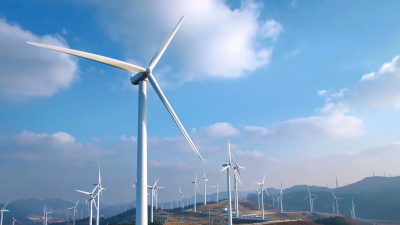
Wind energy has emerged as a cost-effective alternative to traditional fossil fuels. According to the International Renewable Energy Agency (IRENA), the global weighted average cost of onshore wind power dropped to around $30 per megawatt-hour (MWh) in 2021. This remarkable reduction illustrates the increasing efficiency of wind energy technology. In contrast, fossil fuel prices remain volatile and often exceed $50 per MWh, making wind energy a reliable choice for long-term investments.
The levelized cost of electricity (LCOE) for wind energy continues to decline. A report by Lazard indicated that onshore wind energy's LCOE is less than half of that of coal and natural gas. This economic advantage makes wind energy an attractive option for governments and private investors alike. Additionally, wind farms can generate job opportunities, with the U.S. Department of Energy reporting a 61% increase in wind-related jobs from 2017 to 2020.
While the benefits are evident, challenges exist. Intermittency issues, or the unpredictability of wind, require enhanced energy storage solutions. Policy and regulatory environments still need improvement to fully harness wind energy’s potential. Transitioning to renewable sources requires careful planning and investment. However, with clear data backing wind energy’s cost-effectiveness, it is likely to play a crucial role in a sustainable energy future.
Wind energy is more than just a clean alternative. It significantly drives job creation and economic growth. New wind farms require skilled workers for installation. Maintenance jobs also increase as projects expand. These roles can stimulate local economies. Increased employment leads to more spending. Communities benefit from higher disposable income.
The wind energy sector offers diverse opportunities. Engineers design innovative systems. Technicians keep turbines running effectively. Local suppliers provide necessary materials and services. However, the transition to wind energy has challenges. Some regions may lack trained personnel. This skill gap needs addressing for sustained growth. Policymakers must focus on education and training programs.
In rural areas, wind energy can revitalize economies. Local landowners may earn lease payments. The influx of jobs can improve local infrastructure. There are environmental considerations as well. Balancing growth with ecological impacts is essential. Sustainable development should guide wind energy initiatives. Addressing these complexities can lead to a more robust economic future.
Wind energy stands out as a powerful alternative for enhancing energy independence and security. By harnessing wind, countries can reduce their reliance on imported fossil fuels. This shift not only stabilizes energy prices but also promotes economic resilience. In areas with abundant wind resources, local production of clean energy becomes feasible. This localized approach strengthens communities and enhances job creation in the renewable sector.
However, transitioning to wind energy isn’t without challenges. Infrastructure development can be expensive, and some regions may lack the necessary technology. Additionally, not every location is ideal for wind farms. Inconsistent wind patterns may lead to fluctuations in energy supply. Thus, careful planning and investment are crucial for long-term success. Awareness and education initiatives are vital to inform stakeholders and address any public concerns about wind energy projects.
Ultimately, embracing wind energy can lead to significant benefits. It has the potential to provide cleaner, more secure energy. But achieving energy independence requires commitment, innovation, and collaborative efforts from all levels of society. Addressing challenges will result in a more sustainable future.
Wind energy is experiencing significant advancements. Innovations in turbine technology have made them more efficient. Modern designs capture more wind energy and generate more electricity. For example, larger rotor blades allow turbines to harness wind more effectively. This results in improved energy output and reliability.
Another important area is energy storage. As wind energy production can be intermittent, effective storage solutions are crucial. Recent developments in battery technology help store excess energy produced during peak winds. This stored energy can then be used during low production periods. It offers a more consistent energy supply for global buyers.
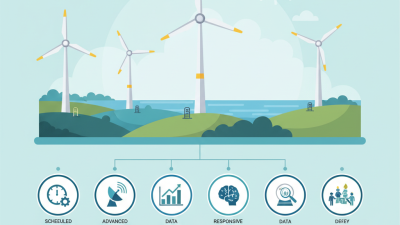
Moreover, data analytics is transforming wind energy management. Sensors and IoT devices monitor turbine performance in real time. This technology helps in predictive maintenance, reducing downtime. However, integration of these technologies requires proper training and investment. It can be challenging for some operators. Overall, while technological advancements in wind energy present opportunities, they also present hurdles that require careful consideration.
| Benefit | Description | Impact on Environment | Economic Benefit | Technological Advances |
|---|---|---|---|---|
| Sustainable Energy Source | Wind energy is renewable and inexhaustible. | Reduces carbon emissions. | Lowers energy costs over time. | Integration of smart grid technologies. |
| Job Creation | Wind energy sector creates numerous jobs in manufacturing and installation. | Promotes local economies. | Supports growth in renewable sectors. | Enhanced turbine efficiency through technology. |
| Energy Independence | Decreases reliance on fossil fuels. | Mitigates geopolitical risks. | Stabilizes energy prices. | Innovations in offshore wind technologies. |
| Low Operational Costs | Wind turbines have low maintenance requirements. | Minimizes environmental disruption. | Cost-effective long-term investments. | Advanced monitoring and maintenance technologies. |
| Support for Rural Development | Wind farms provide additional revenue for farmers. | Enhances local biodiversity. | Boosts rural economies. | Deployment of small-scale wind solutions. |
| Technological Innovations | Advancements include larger, more efficient turbines. | Reduces land use and noise pollution. | Enhances energy output and reliability. | Development of innovative turbine designs. |
| Community Engagement | Local communities benefit from renewable projects. | Encourages environmental awareness. | Promotes local benefits sharing. | Engagement through educational programs. |
| Enhanced Grid Stability | Wind power contributes to energy grid resilience. | Supports grid balancing efforts. | Improves energy reliability. | Smart grid technology integration. |
| Global Market Opportunities | Access to new markets for wind energy technologies. | Contributes to global sustainability goals. | Drives economic growth in emerging markets. | International collaboration on renewable projects. |