Top 10 Benefits of Wind Turbine Energy You Need to Know About
In recent years, wind turbine energy has emerged as a significant player in the global shift towards renewable energy sources. According to the Global Wind Energy Council (GWEC), the world's total installed wind power capacity has reached over 740 GW by mid-2021, showcasing a remarkable growth trajectory. This growth is not just a trend; it represents a robust response to the urgent need for sustainable energy solutions. As noted by Dr. Emily Johnson, a leading expert in renewable energy systems, “Harnessing wind turbine energy is not just about generating power; it's about creating a sustainable future for generations to come.”
The benefits of wind turbine energy extend well beyond environmental sustainability. Reports from the International Energy Agency (IEA) indicate that wind energy could supply one-third of the world's electricity by 2030, significantly reducing carbon emissions and advancing energy independence for many nations. Furthermore, the wind industry is creating jobs at an unprecedented rate, with estimates suggesting that over 1.3 million people are employed in the wind energy sector by 2025. This transition not only safeguards the planet but also stimulates economic growth, demonstrating the multifaceted advantages of investing in wind turbine energy.
Advantages of Wind Turbine Energy for Sustainable Power Generation
Wind turbine energy is becoming an increasingly vital component of sustainable power generation. One of the primary advantages is its minimal environmental impact. According to the Global Wind Energy Council, wind energy accounts for approximately 7% of global electricity generation and has been shown to have lower lifecycle greenhouse gas emissions compared to fossil fuels—up to 99% less. This advancement plays a pivotal role in combating climate change and reducing our carbon footprint.
Moreover, wind energy contributes to energy diversification and security. By harnessing local wind resources, countries can decrease their dependence on imported fuels. The International Energy Agency reports that increasing the share of renewables in the energy mix not only improves energy security but also enhances the stability of power prices in the long term. A growing number of regions are investing in wind power infrastructure, which further stimulates job creation in installation, maintenance, and operations.
Tips: When considering wind turbine energy, assess your local wind resources and potential for energy generation. Engaging with community initiatives can also bolster public interest and support for wind projects, paving the way for successful implementation and adoption. Additionally, keep an eye on advancements in turbine technology, as innovations continually improve efficiency and output, making wind energy an even more attractive option for sustainable power generation.
Top 10 Benefits of Wind Turbine Energy You Need to Know About
| Benefit |
Description |
Impact |
| Renewable Energy Source |
Wind energy is a clean, inexhaustible energy source that reduces reliance on fossil fuels. |
Significant reduction in greenhouse gas emissions. |
| Cost-Effective |
The cost of wind energy has fallen dramatically, making it one of the most cost-effective energy sources. |
Increased affordability for consumers and businesses. |
| Job Creation |
The wind energy sector creates numerous jobs in manufacturing, installation, and maintenance. |
Boosts local economies and workforce development. |
| Low Operational Costs |
Once installed, wind turbines require relatively low operational and maintenance costs. |
Enhances long-term profitability for energy providers. |
| Scalability |
Wind farms can be expanded or reduced in size based on energy demand. |
Flexibility in energy production capacity. |
| Energy Independence |
Wind energy helps reduce dependence on foreign oil, enhancing national security. |
Increased energy self-sufficiency and security. |
| Environmental Benefits |
Wind energy helps protect ecosystems by reducing pollution. |
Collector approach to environmental conservation. |
| Technological Advancements |
Investment in wind technology drives innovation in energy efficiency. |
Fostering advancements in clean technology. |
| Grid Stability |
Distributed wind energy sources can help stabilize the power grid. |
Improved reliability and resilience of energy supply. |
| Versatile Use |
Wind energy can be utilized for various applications, from small scale to large scale power generation. |
Broad potential for energy accessibility. |
Economic Benefits: Cost Savings and Job Creation Through Wind Energy
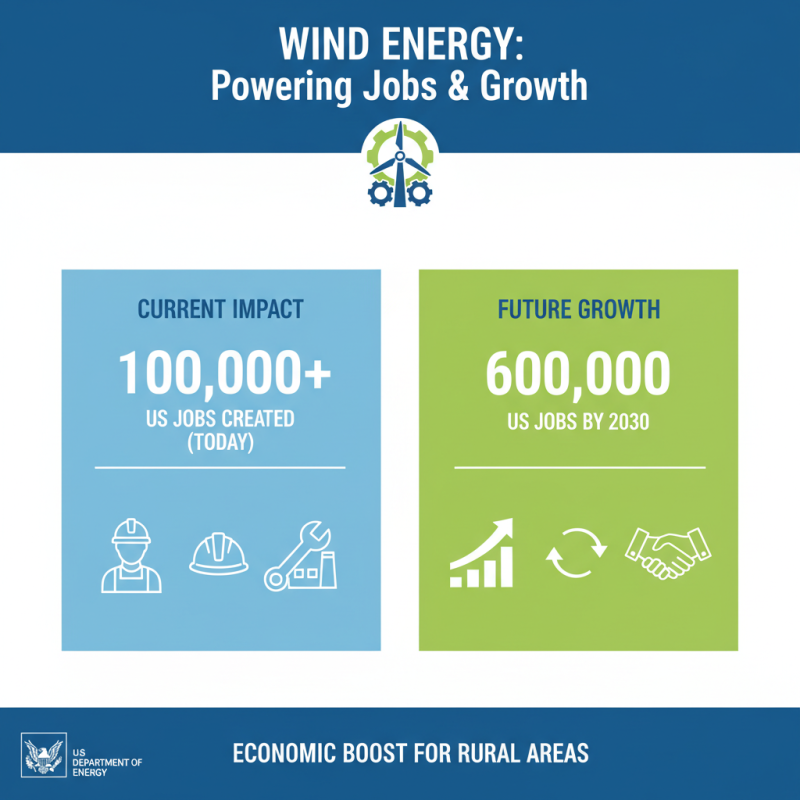
The shift towards wind energy has not only been pivotal for environmental sustainability but also serves as a robust driver for economic growth. According to the U.S. Department of Energy, wind energy has created over 100,000 jobs in the United States alone, spanning a myriad of roles from manufacturing to installation and maintenance. The sector is expected to continue expanding, with projections showing that by 2030, wind energy could support 600,000 jobs. This rapid job creation is particularly significant in rural areas, where wind farms can boost local economies by providing stable employment opportunities.
In addition to job creation, the economic benefits of wind energy extend to cost savings for consumers and businesses alike. A 2021 report by Lazard indicates that the average levelized cost of wind energy has decreased by approximately 70% since 2009, making it one of the most cost-effective forms of electricity generation. Wind energy not only lowers electricity prices by increasing competition in the energy market, but it also reduces reliance on fossil fuels, which can insulate economies from volatile fuel prices. Furthermore, large-scale investments in wind infrastructure can yield long-term savings on energy bills, benefiting both households and businesses while contributing to overall economic resilience.
Environmental Impact: Reducing Carbon Footprint with Wind Turbines
Wind turbine energy offers substantial environmental benefits, primarily by significantly reducing carbon footprints. According to the U.S. Department of Energy, wind power prevented the release of over 329 million metric tons of carbon dioxide in 2020 alone, which is equivalent to the emissions produced by roughly 70 million cars. This impressive statistic highlights how harnessing wind energy not only contributes to cleaner air but also plays a pivotal role in combating climate change. Wind turbines operate without emitting greenhouse gases during energy production, making them a sustainable alternative to fossil fuels.
Moreover, wind energy can help preserve natural ecosystems. An analysis by the Global Wind Energy Council indicates that wind power can reduce water consumption linked with energy production. Traditional power plants often require vast amounts of water for cooling processes, whereas wind turbines use minimal water, helping to conserve this critical resource. For communities striving for sustainability, adopting wind energy can foster environmental stewardship and promote a cleaner, healthier planet.
Tips: When considering wind energy, look for local initiatives or community solar and wind programs that can provide incentives and promote collective investment in renewable resources. Additionally, engaging with local stakeholders can amplify the impact of wind energy projects by fostering community support and encouraging broader participation in sustainability efforts. Embracing wind energy can be a more collaborative approach toward achieving net-zero emissions.
Energy Independence: How Wind Energy Reduces Reliance on Fossil Fuels
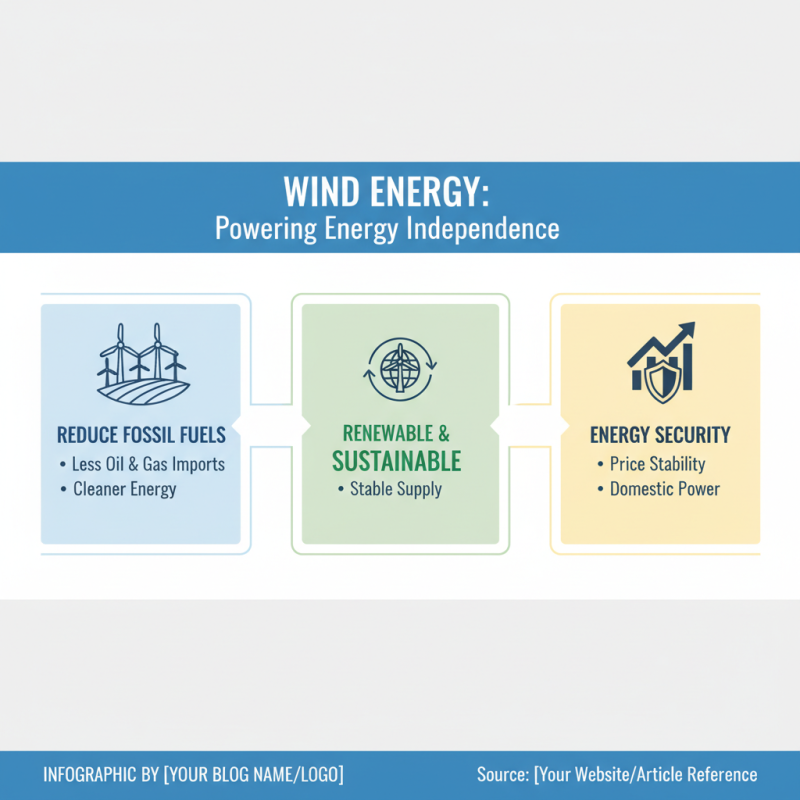
Wind energy plays a crucial role in promoting energy independence by significantly reducing reliance on fossil fuels. As countries increasingly invest in wind turbine technology, they can harness a renewable and sustainable energy source that diminishes their dependence on imported oil and gas. By establishing wind farms, nations can tap into a plentiful resource that is abundant in many regions, thereby stabilizing their energy supply and insulating themselves from the volatile nature of fossil fuel markets.
Embracing wind energy not only fosters energy independence but also stimulates economic growth through the creation of jobs in manufacturing, installation, and maintenance sectors. As communities develop local wind projects, they are empowered to control their energy resources, support local industries, and enjoy the benefits of cleaner air and reduced greenhouse gas emissions. The shift towards wind energy reflects a proactive approach to securing a sustainable energy future, freeing nations from the constraints and uncertainties associated with fossil fuel dependence.
Technological Advances: Innovations Enhancing Wind Energy Efficiency
Advancements in wind turbine technology have significantly enhanced the efficiency and effectiveness of wind energy generation. Innovations such as larger rotor diameters and improved blade designs have allowed modern turbines to capture more wind energy, even at lower wind speeds. According to a report by the American Wind Energy Association, the average capacity factor of onshore wind farms in the U.S. has increased from around 25% in 2000 to approximately 40% in 2021. This means that turbines are now producing much more energy relative to their maximum capability, reflecting substantial progress in turbine design and engineering.
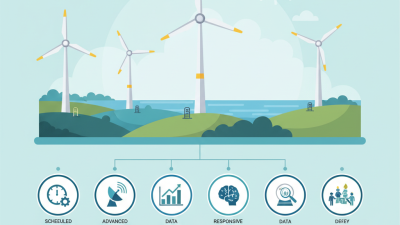
Additionally, the integration of digital technologies, such as predictive maintenance and advanced data analytics, has improved operational efficiency and reduced downtime for wind energy systems. The Global Wind Energy Council indicates that the use of such innovations can reduce maintenance costs by as much as 15%, thereby enhancing overall productivity. Moreover, energy storage solutions, combined with wind turbines, are enabling more reliable energy dispatch, allowing operators to manage energy supply effectively, even when wind conditions are less favorable. These technological advancements not only optimize the output of existing wind farms but also pave the way for future developments in the renewable energy sector.
Top 10 Benefits of Wind Turbine Energy
This chart illustrates the top 10 benefits of wind turbine energy, rated on a scale from 1 to 10. The scores reflect the importance and impact of each benefit, highlighting how wind energy contributes to cost efficiency, sustainability, job creation, and more.