10 Best Clean Power Solutions for a Sustainable Future?
In today's world, the urgency for clean power solutions is more pressing than ever. As climate change impacts our ecosystems and communities, we must seek innovative energy sources. Clean power provides a pathway to sustainability, reducing our carbon footprint and environmental harm.
Many countries are investing in renewable energy technologies. Solar, wind, and hydro power lead the charge toward a greener future. However, transitioning to clean power is not without challenges. Infrastructure costs, policy support, and technology access can hinder progress.
Moreover, not all clean power solutions are equally effective. Some methods may disrupt local wildlife or require significant land use. This raises important questions about balance and sustainability. We must carefully consider the trade-offs involved in each clean power solution we adopt. Sustainable progress requires reflection and innovative thinking.
Top Renewable Energy Sources for Sustainable Power Solutions
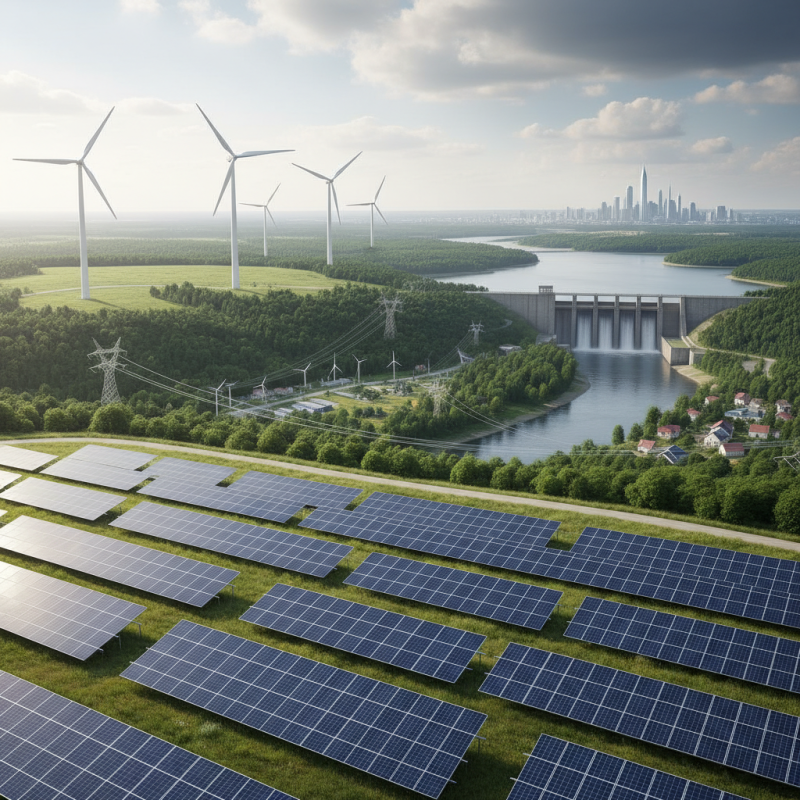
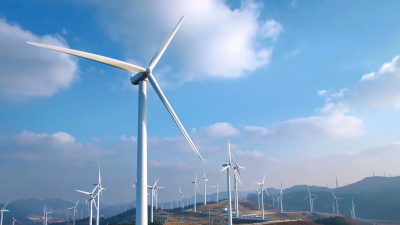
The world’s energy landscape is changing rapidly. Many are turning to renewable sources for sustainable power solutions. Solar energy, widely recognized, accounts for over 3% of global electricity generation. It has massive potential, especially when combined with energy storage systems to create reliability. Wind energy is another major player. In 2021, wind power contributed around 6% of the global energy mix. This technology continues to improve, with larger turbines producing more energy than ever before.
Geothermal energy is less prominent but worth mentioning. It supplies reliable, clean power from the Earth's heat. This resource has the potential to provide energy for up to 20% of the global population. Hydropower remains a dominant source. It generates about 16% of the world’s electricity through dams and river systems. However, issues like ecosystem disruption require careful management.
Tips: Consider local energy resources. Some areas may benefit more from wind than solar, or vice versa. Look into community solar programs. They can provide access to renewable energy without needing installation on your property. Engaging with sustainable practices offers not just energy solutions but also economic opportunities. However, investment in infrastructure can be a challenge and needs thorough planning.
Innovations in Clean Technology: Revolutionizing Energy Production
Innovations in clean technology are changing how we produce energy.
Solar panels and wind turbines are becoming more efficient and affordable. They harness natural resources that are abundant and renewable. New materials enhance the effectiveness of these technologies. This creates a cleaner energy future.
Tip: Always consider local conditions. Solar energy may work best in sunny areas, while wind energy thrives in windy regions. Tailoring solutions can maximize efficiency.
Next, battery storage technology is evolving fast. It allows energy from renewable sources to be saved for later use. This addresses the challenge of intermittent energy supply. Improved batteries are key to making renewable energy reliable.
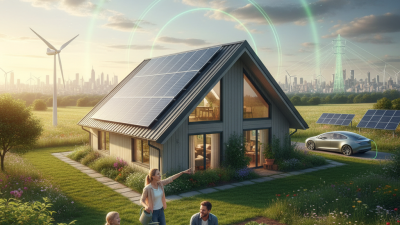
Tip: Embrace community solar programs. These initiatives allow people to invest in solar energy even if they cannot install panels on their homes. They promote shared benefits and foster local engagement.
As we embrace these innovations, not every solution will work everywhere. Striking a balance between different energy sources is essential. Sometimes, investments may not pay off immediately. Reflecting on these challenges helps to refine our approaches to clean technology.
Energy Storage Solutions: Enhancing the Efficiency of Renewables
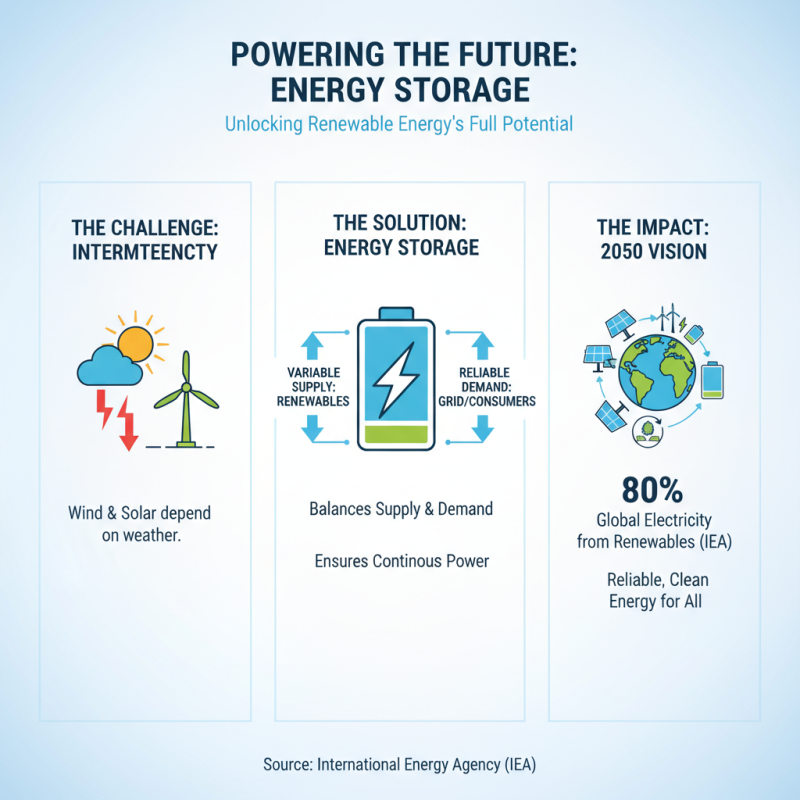
Energy storage solutions play a crucial role in enhancing the efficiency of renewable energy. According to the International Energy Agency, renewable sources could meet 80% of global electricity demand by 2050. However, intermittency remains a challenge. Wind and solar power depend on weather conditions. Storage systems can balance supply and demand. They make renewable energy reliable and continuous.
Batteries are at the forefront of energy storage. The global battery storage market is projected to reach $200 billion by 2030. Technologies like lithium-ion batteries dominate today. These batteries offer rapid responses and high energy density. However, there are concerns around their environmental impact. Recycling processes are not efficient yet. Alternatives like flow batteries show promise but are still in early stages.
Pumped hydro storage is another effective solution. It accounts for over 90% of energy storage worldwide. Its capacity is significant, and it has low operating costs. But site availability limits its expansion. As the demand for clean energy grows, innovation in storage technologies is essential. We need diverse solutions to ensure a sustainable future.
The Role of Policy in Promoting Clean Power Initiatives
The role of policy in promoting clean power initiatives is crucial. Governments can drive change by setting clear goals and incentives. For instance, a recent report from the International Renewable Energy Agency (IRENA) states that renewable energy could meet 86% of global power demands by 2050. This vision requires robust policy frameworks.
Many countries have implemented renewable energy targets and subsidies to stimulate growth. However, the outcomes can be mixed. In some instances, regulatory barriers hinder progress. A study highlighted that 40% of renewable projects face significant delays due to planning and permitting obstacles. This suggests a need for streamlined processes.
Education and public engagement also play a role. People must understand the benefits of clean energy. According to a survey by the Pew Research Center, 79% of Americans support the expansion of solar and wind resources. Efforts must ensure that policies resonate with the public's interests. Therefore, governments should prioritize transparency and community involvement in these initiatives.
Community and Individual Actions for Supporting Sustainable Energy
Community engagement is crucial for promoting sustainable energy solutions. According to a recent report from the International Renewable Energy Agency (IRENA), local initiatives can significantly enhance renewable energy adoption. For instance, community solar projects allow residents to share energy resources. This not only reduces costs but also decreases reliance on fossil fuels.
Individual actions also play a vital role. A study from the Energy Efficiency Financial Institutions Group highlights that energy-efficient home upgrades can cut energy use by up to 30%. Simple changes, like using LED bulbs or installing smart thermostats, contribute to significant energy savings. Moreover, collective actions in neighborhoods can spark larger movements towards renewable energy sources.
However, challenges persist. Many communities struggle with access to funding or lack the technical expertise to implement projects. Some residents may feel disconnected from sustainability efforts. Bridging this gap is essential for creating a truly sustainable future. Building awareness and fostering collaboration can empower communities to take charge of their energy consumption and make informed decisions.
10 Best Clean Power Solutions for a Sustainable Future
| Solution |
Type |
Benefits |
Implementation Scale |
| Solar Energy |
Renewable |
Reduces electricity bills, decreases carbon footprint |
Individual/Community |
| Wind Energy |
Renewable |
High energy output, low operational costs |
Community/Large Scale |
| Hydropower |
Renewable |
Reliable power supply, constant energy source |
Large Scale |
| Geothermal Energy |
Renewable |
Stable energy source, low emissions |
Community/Large Scale |
| Biomass Energy |
Renewable |
Utilizes waste materials, reduces landfill impact |
Community/Local Scale |
| Energy Efficiency |
Conservation |
Reduces energy waste, lowers costs |
Individual/Community |
| Smart Grids |
Technology |
Improves energy distribution efficiency |
Large Scale |
| Electric Vehicles |
Transport |
Reduces reliance on fossil fuels |
Individual/Community |
| Wave Energy |
Renewable |
Predictable energy generation |
Community/Large Scale |
| Tidal Energy |
Renewable |
Consistent energy production |
Community/Large Scale |