10 Best Green Energy Solutions for a Sustainable Future?
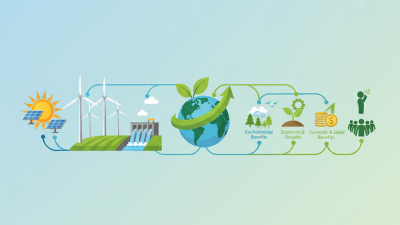
As the world grapples with climate change, green energy emerges as a beacon of hope. It represents technologies that harness renewable resources. Solar, wind, and hydropower are leading this revolution. They offer cleaner alternatives to fossil fuels. Implementing these solutions can lower emissions and create sustainable jobs.
Yet, challenges remain. Transitioning to green energy requires significant investment. Not every community has equal access to these resources. There’s also a need for innovation in storage and energy efficiency. These obstacles highlight the importance of collaboration between governments, businesses, and individuals.
Green energy solutions promise a better future. However, we must acknowledge that progress is not uniform and often slow. Embracing this shift is crucial. Every small step contributes to a larger movement. The journey toward sustainability is complex, but it remains an essential goal. Let’s explore the ten best solutions that can drive this change.
Overview of Green Energy Solutions for Sustainability
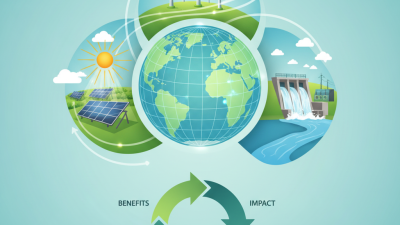
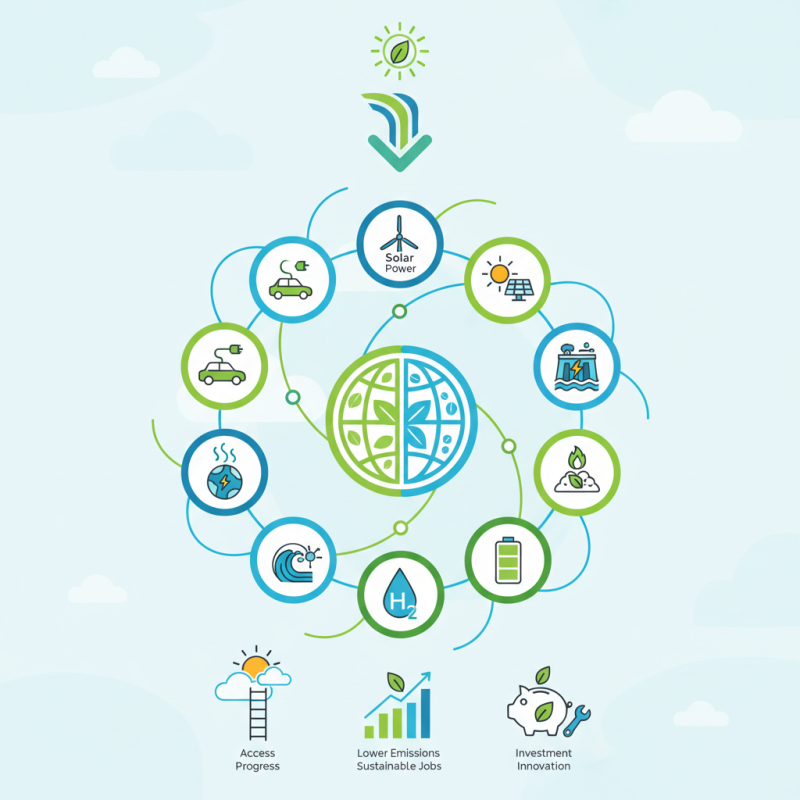
In today's world, green energy is crucial for sustainability. Many solutions exist, each with benefits and drawbacks.
Solar panels are popular for harnessing sunlight. They reduce electricity bills but require large spaces.
Wind turbines generate power efficiently. However, they can impact local wildlife. Hydro energy, sourced from water currents, is dependable but may disrupt natural ecosystems.
Another noteworthy option is geothermal energy. It uses the Earth's heat for power. It’s reliable but can be location-specific.
Biomass energy also offers potential. It converts organic materials into fuel, yet sourcing may lead to deforestation.
Tidal energy is an emerging field, capturing energy from ocean tides. Its technology is still in development, posing unknown challenges.
To create a sustainable future, we must explore and balance these green solutions. Each option presents unique opportunities and challenges. It’s vital to assess their environmental impact carefully. The journey toward sustainability is complex, requiring constant reflection and adaptation. Embracing these solutions can pave the way for cleaner energy.
Solar Power Innovations and Their Impact on Renewable Energy
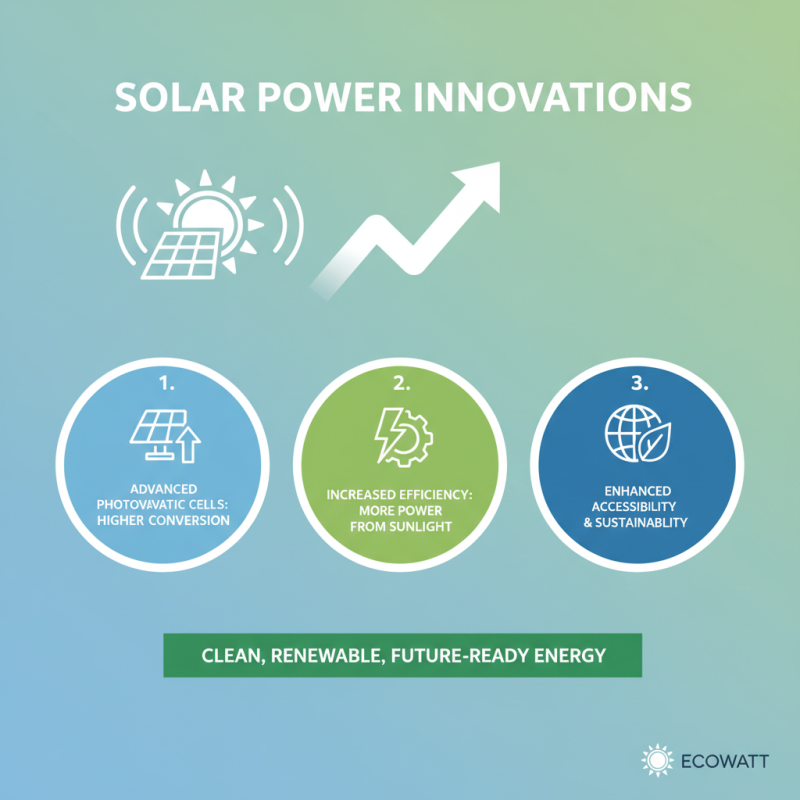
Solar power has become a significant player in the renewable energy sector. Recent innovations are making solar energy more accessible and efficient. For example, advancements in photovoltaic cells have led to higher energy conversion rates. These developments boost the overall effectiveness of solar panels, allowing them to produce more energy from the same sunlight.
However, challenges remain. The production of solar panels can have environmental impacts. Additionally, some solar technologies are expensive to implement. The storage of solar energy is another concern. Current battery technologies still struggle to store energy effectively for long durations. As the demand for sustainable solutions grows, these issues must be addressed.
Innovation in solar technology might also present unforeseen consequences. Rapid deployment could lead to resource shortages. Proper recycling practices are not clear yet, raising questions about waste management. Thoughtful consideration is needed as we embrace these changes. The future of solar power relies on striking a balance between progress and sustainability.
Wind Energy: Harnessing Nature for Sustainable Power Generation
Wind energy is one of the most promising green energy solutions today. It utilizes large turbines to convert wind into clean electricity. This method reduces reliance on fossil fuels and decreases greenhouse gas emissions. The energy produced can power homes, schools, and even entire cities. Wind farms can be found on land and offshore, harnessing the strong winds over oceans.
However, there are challenges to consider. The installation of wind turbines can disrupt local wildlife and ecosystems. Some people also raise concerns about noise pollution and the visual impact on landscapes. Not every location is suitable for wind energy generation. Sites need to have consistent wind patterns to be effective.
Despite these issues, advancements in technology continue to improve wind energy efficiency. Newer turbines are larger and more powerful, producing more energy with less environmental impact. It's crucial to engage communities in discussions about wind projects. Open dialogue can address concerns and help find a balance between energy needs and environmental preservation. Embracing wind energy is vital, but it requires thoughtful planning and consideration.
10 Best Green Energy Solutions for a Sustainable Future
| Energy Source |
Capacity (MW) |
CO2 Reduction (tons/year) |
Cost per kWh ($) |
Installation Time (months) |
| Wind Energy |
100 |
100,000 |
0.05 |
8 |
| Solar Energy |
150 |
120,000 |
0.06 |
6 |
| Hydropower |
200 |
150,000 |
0.04 |
12 |
| Geothermal Energy |
50 |
30,000 |
0.07 |
10 |
| Biomass Energy |
80 |
60,000 |
0.08 |
9 |
| Ocean Energy |
70 |
50,000 |
0.09 |
14 |
Hydropower: The Role of Water in Clean Energy Solutions
Hydropower is a crucial player in the green energy sector. According to the International Hydropower Association, hydropower generated about 16% of the world’s electricity in 2021. This statistic highlights its significance in our transition to sustainable energy solutions. Water is a renewable resource that can generate immense energy while contributing to reducing greenhouse gas emissions.
Many countries rely on hydropower to meet their energy needs. In fact, regions rich in water resources, like the Amazon and Congo basins, have installed massive hydroelectric plants. However, the construction of such facilities often raises debates about their environmental impacts. Dams disrupt ecosystems and displace communities living nearby. These are critical issues that must be addressed if we want to embrace hydropower responsibly.
Tips: Consider local water sources when discussing hydropower projects. Engaging with communities can lead to better outcomes. Investing in innovative technologies like small-scale hydro systems may also minimize ecological disruption, offering cleaner alternatives. Hydropower will play an essential role, but its implementation must prioritize sustainability and social justice. The path forward needs careful consideration.
Hydropower: The Role of Water in Clean Energy Solutions
This chart illustrates the contribution of hydropower to global renewable energy production over the years.
Emerging Technologies in Green Energy: A Look Ahead
Emerging technologies in green energy are poised to reshape our future. One notable innovation is solar panel efficiency. Recent advancements have led to the development of thinner, lighter panels. These can be integrated into building materials, reducing the need for separate structures. However, the production processes can still be environmentally taxing. It's essential to consider the lifecycle of these technologies.
Wind energy is evolving as well. Turbines are becoming more sophisticated, allowing for greater energy capture in various conditions. Floating wind farms are being tested, which open possibilities in deeper waters. Yet, concerns about their impact on marine ecosystems remain. Balancing progress with environmental preservation can be complex.
Energy storage is another critical area. Innovations in battery technology are necessary to harness intermittent energy sources. Solid-state batteries promise higher capacity and safety. Still, raw materials can raise ethical concerns. Ensuring sustainable sourcing is vital. As we explore these new paths, the challenges remind us that the journey to a sustainable future is ongoing.