10 Best Renewable Energy Solutions for Your Home in 2023
As the world increasingly shifts towards sustainable living, more homeowners are embracing renewable energy for home use to reduce their carbon footprints and energy bills. With a plethora of options available today, selecting the best renewable energy solutions can seem overwhelming. However, harnessing the power of renewable resources such as solar, wind, and geothermal energy not only promotes environmental responsibility but also offers long-term financial benefits.
In 2023, the rise of innovative technologies and the decreasing costs associated with renewable energy systems have made these solutions more accessible than ever. Homeowners are now empowered to make informed choices that align with their energy needs and sustainability goals. This article will explore the ten best renewable energy solutions tailored for home use, providing insights into their advantages, installation processes, and potential savings. By leveraging these solutions, you can transform your home into a modern, energy-efficient space while actively contributing to a greener planet.

Top 5 Solar Panel Innovations That Enhance Home Energy Efficiency in 2023
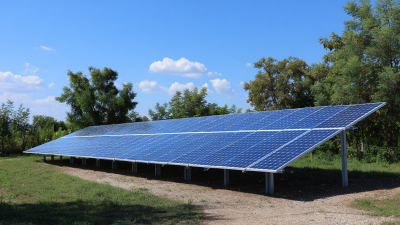
As we look into 2023, solar technology continues to evolve, significantly enhancing home energy efficiency. Innovations such as bifacial solar panels, which capture sunlight from both sides, can increase energy production by up to 30%. Another advancement, transparent solar cells, allows homeowners to integrate solar energy generation into windows, making energy capture more aesthetically pleasing and functional. High-efficiency panels, offering greater energy output per square meter, can save homeowners an estimated $3,600 over their lifespan, making them a wise investment.
Tips: When considering solar panel options, focus on efficiency and technology advancements that align with your energy needs. Look for products that qualify for the 2024-2025 energy tax credits, as these can significantly reduce installation costs and enhance your return on investment. Exploring state-specific initiatives like Detroit's Neighborhood Solar Initiative can provide additional benefits, turning blighted lots into sources of clean energy while potentially reducing your electricity bills.
As federal support for renewable energy products may shift, now is the time to act. Understanding local programs and the upcoming expiration of tax credits for solar products can help make timely decisions. Prioritize high-efficiency panels and energy-efficient home upgrades to maximize savings and contribute to a more sustainable future.
The Role of Wind Turbines: How Small-Scale Models Work for Residential Use
Small-scale wind turbines are an increasingly viable option for homeowners looking to harness renewable energy. According to a report by the U.S. Department of Energy, residential wind systems can provide up to 30% of a household's energy needs, depending on wind conditions and the specific turbine design. These systems typically feature turbines with rotor diameters of 3-15 feet, making them suitable for various residential settings. By converting wind energy into electricity, homeowners can reduce their dependence on traditional power sources and decrease their utility bills.
When considering a small wind turbine, it's vital to assess local wind resources and zoning regulations. A site evaluation can determine if your location has sufficient wind speed, ideally averaging at least 10 mph annually. It's also worth noting that the installation of these turbines can sometimes qualify for tax incentives. According to the Renewable Energy Policy Project, homeowners may see payback periods of 6 to 10 years, making this not only an environmentally sound choice but also a financially savvy one.
**Tips:**
1. Before installation, consult with a renewable energy expert to evaluate your property's wind potential.
2. Investigate local policies and incentives for renewable energy to maximize financial benefits.
3. Research turbine options that suit your specific energy needs and local environmental conditions.
10 Best Renewable Energy Solutions for Your Home in 2023
The Role of Wind Turbines: How Small-Scale Models Work for Residential Use
This chart illustrates the average energy output in kilowatt-hours (kWh) per month for different sizes of residential wind turbines. Small, medium, and large turbine models offer varying levels of energy generation, with larger models typically producing more power.
Exploring Energy Storage Solutions: Batteries That Transform Home Energy Management
In 2023, energy storage solutions, particularly home battery systems, are revolutionizing how we manage energy at home. As more homeowners seek sustainable energy alternatives, the demand for efficient energy storage is surging. The global smart hybrid inverter market is projected to reach a value of $3.36 billion by 2025 and climb to $5.54 billion by 2033, showing a compound annual growth rate of 5.1%. This trend highlights the vital role that energy storage will play in the future of home energy management.
Tips for selecting the right home battery system include assessing your energy needs and usage patterns. Understanding your household’s peak usage times can help you choose a system that maximizes savings and efficiency. Additionally, consider the integration capabilities of the battery with solar systems and smart appliances for a seamless energy management experience.
Another important tip is to evaluate the battery’s lifespan and warranty. Many systems come with warranties ranging from 10 to 15 years, but it’s crucial to look into the expected performance over time. Choosing a reliable system with a good track record will ensure that your investment pays off in the long run and contributes to your journey toward sustainable energy living.
Geothermal Heating and Cooling: Sustainable Options for Year-Round Comfort
Geothermal heating and cooling systems are emerging as one of the most efficient and sustainable options for homeowners looking to optimize year-round comfort. These systems harness the Earth's natural temperature, making them an excellent choice for energy-efficient climate control. By transferring heat between your home and the ground, geothermal systems maintain a stable indoor environment regardless of external weather conditions, significantly reducing reliance on traditional heating and cooling methods.
When considering geothermal solutions, it's essential to evaluate your property’s specific needs. One tip is to consult with a qualified contractor who can assess your land and recommend the best system to maximize energy savings. Additionally, ensure that your home is well-insulated, as this will further enhance the efficiency of the geothermal system by retaining the conditioned air longer.
Another key advantage of geothermal systems is the potential to receive government incentives or rebates. Before installation, research local and federal programs that promote renewable energy solutions. This could reduce your initial investment and improve the return on your energy efficiency efforts, making geothermal not only a sustainable choice but also a financially sound one for your home in 2023.
10 Best Renewable Energy Solutions for Your Home in 2023 - Geothermal Heating and Cooling: Sustainable Options for Year-Round Comfort
| Solution |
Description |
Benefits |
Estimated Cost ($) |
Annual Savings ($) |
| Geothermal Heat Pump |
Utilizes the constant temperature of the earth for heating and cooling. |
Efficient, environmentally friendly, and low operating costs. |
$15,000 - $30,000 |
$1,000 - $2,500 |
| Solar Panels |
Photovoltaic cells that convert sunlight into electricity. |
Reduction in electricity bills and incentives available. |
$10,000 - $30,000 |
$800 - $2,000 |
| Solar Water Heating |
Uses solar energy to heat water for residential needs. |
Lower water heating costs and reduced gas consumption. |
$3,000 - $7,000 |
$200 - $600 |
| Wind Turbines |
Harnesses wind energy to generate electricity. |
Significant energy savings and off-grid potential. |
$40,000 - $80,000 |
$600 - $1,200 |
| Energy-Efficient Appliances |
Appliances designed to use less energy than traditional models. |
Lower energy consumption and reduced utility bills. |
$1,000 - $5,000 |
$100 - $500 |
| Smart Thermostats |
Devices that optimize heating and cooling efficiency. |
Enhanced comfort and improved energy efficiency. |
$100 - $300 |
$50 - $150 |
| Insulation Improvements |
Enhancements to existing insulation in homes. |
Reduces energy waste and enhances comfort. |
$1,500 - $5,000 |
$300 - $700 |
| LED Lighting |
Energy-efficient lighting solution. |
Long lifespan and lower energy consumption. |
$100 - $500 |
$50 - $200 |
| Battery Storage Systems |
Stores electricity for use during peak hours. |
Maximizes solar benefits and reduces energy costs. |
$7,000 - $15,000 |
$300 - $800 |
Harnessing Biomass: Practical Tips for Using Organic Waste to Power Your Home
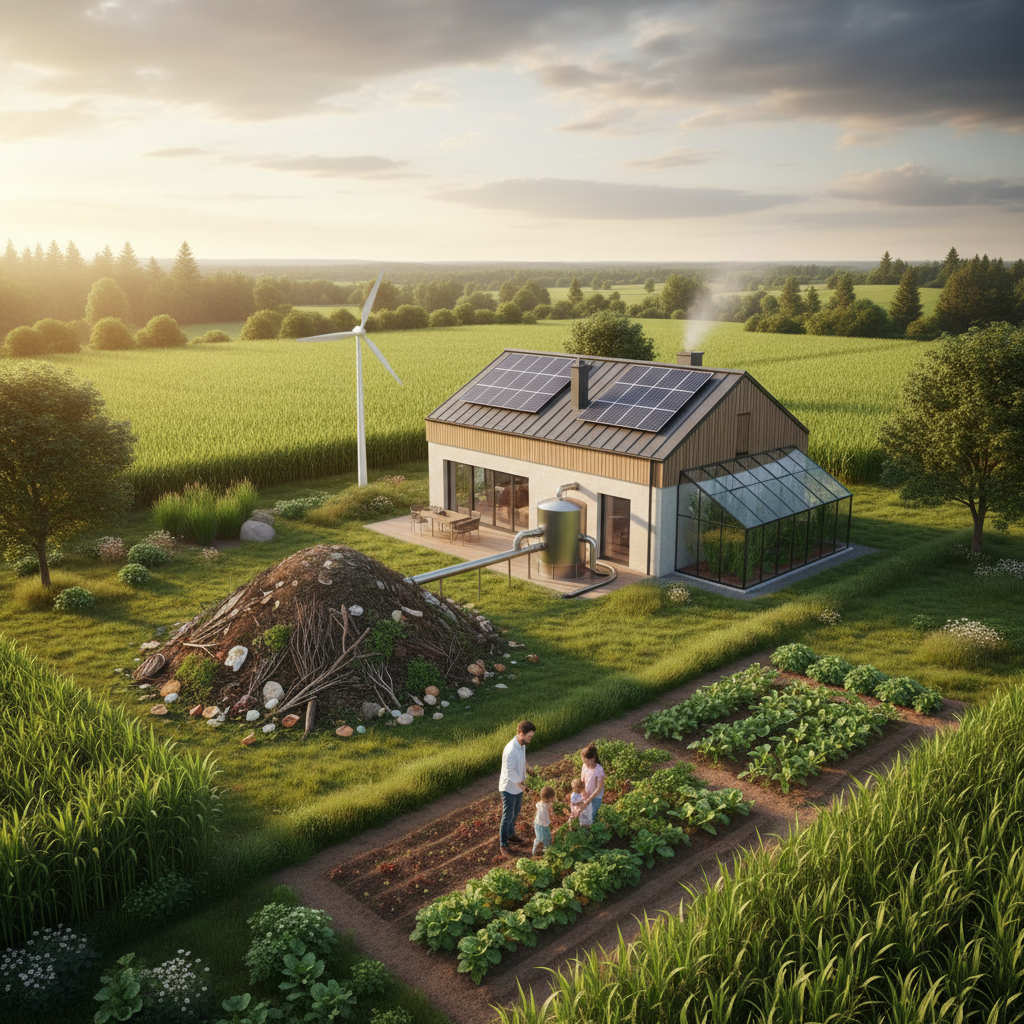
Biomass energy is gaining traction as a practical and sustainable solution for homeowners looking to reduce their carbon footprint. Renewable organic materials, including plant and animal residues, can be transformed into energy through various processes. According to the U.S. Energy Information Administration, biomass accounted for about 5% of total U.S. energy consumption in 2021, making it a significant player in the renewable energy sector. Homeowners can harness this potential by utilizing organic waste to produce biofuels or direct heat, keeping energy costs low while promoting environmental sustainability.
One practical approach is to set up a small-scale biomass system using organic waste, such as kitchen scraps or yard debris. By investing in a composter or a biogas digester, homeowners can convert their waste into usable energy. Research indicates that using biomass for energy can reduce greenhouse gas emissions by 60% to 90%, compared to traditional fossil fuels. This conversion not only provides a cleaner energy source but also minimizes landfill waste, showcasing how effective management of organic materials can benefit both households and the environment.