2026 Best Renewable Energy Sources for a Sustainable Future?
The world is at a turning point. As we face climate change, the focus on renewable energy sources has intensified. Dr. Emily Johnson, a leading expert in solar technology, once stated, “Investing in renewable energy sources is crucial for future generations.” This statement echoes a broader call to action.
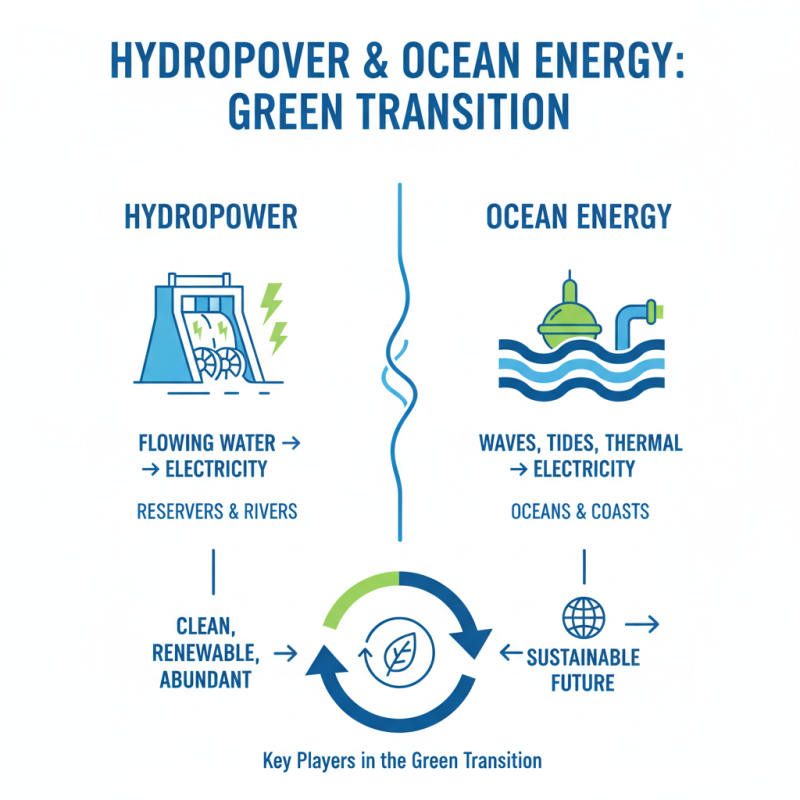
Renewable energy sources, such as solar, wind, and hydroelectric power, hold immense potential. They offer sustainable alternatives to fossil fuels. However, adoption remains inconsistent globally. Some regions embrace these technologies fully, while others lag behind.
Infrastructure challenges and policy barriers hinder progress. Many communities still rely on outdated energy systems. The transition to renewable energy sources requires collaboration and innovation. Public awareness is key, yet misinformation often distracts from the real issues. As we explore the best renewable energy sources for 2026, we must reflect on our current practices and their sustainability.
Overview of Renewable Energy Sources for 2026
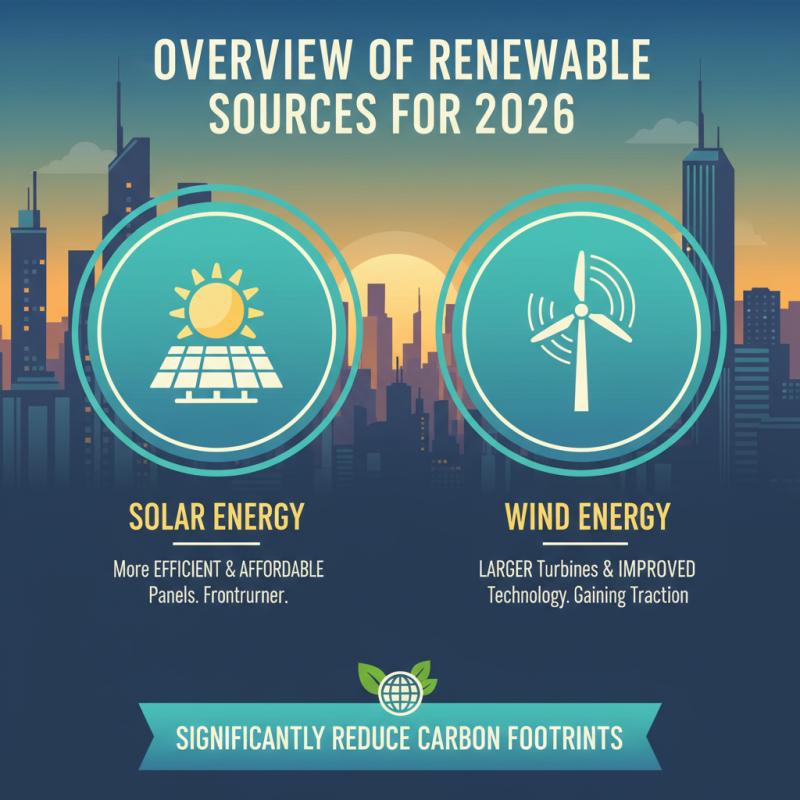
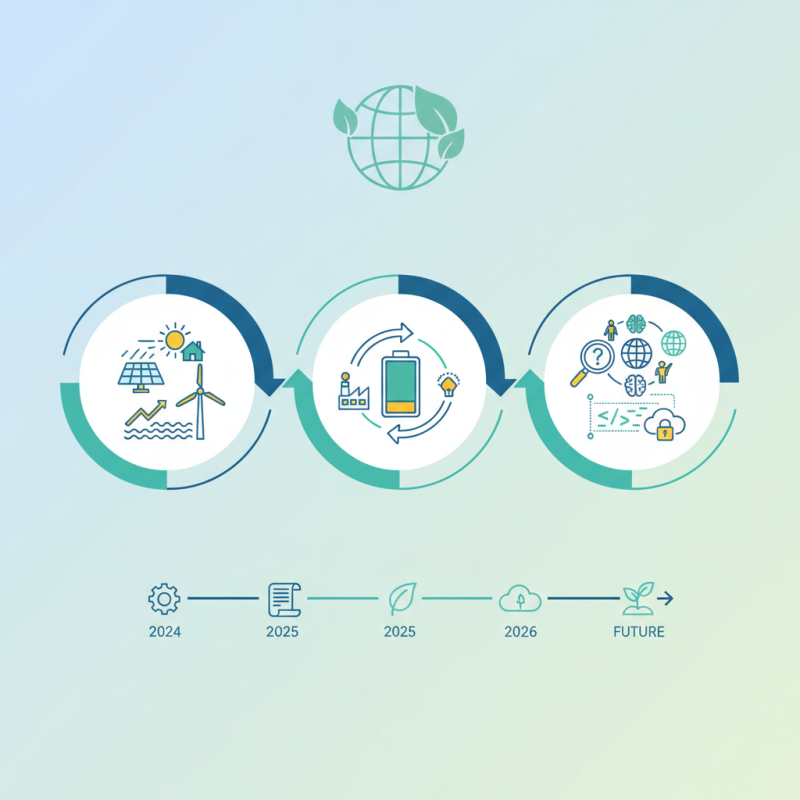
As we approach 2026, the landscape of renewable energy sources is evolving. Solar energy remains a frontrunner, with panels becoming more efficient and affordable. Wind energy is also gaining traction, thanks to larger turbines and better technology. These two sources can significantly reduce carbon footprints.
Experts suggest considering local resources. If you live in a sunny area, solar panels may be your best bet. In coastal regions, wind turbines could harness strong breezes. Exploring geothermal energy is another option for those near tectonic plates. Each method should be evaluated based on location and infrastructure.
Tips: Always research local incentives for renewable energy. Many regions offer tax credits or rebates. Consider community solar projects if rooftop space is limited. Connecting with local energy co-ops can also provide support and resources. Renewable energy is promising, yet challenges remain. Transitioning to sustainable sources is not always straightforward, and some may face obstacles. Reflect on what fits best for your circumstance.
Top Solar Energy Innovations and Technologies for Sustainable Use
The solar energy sector has made remarkable strides in recent years. Innovations in solar panels have led to increased efficiency and reduced costs. According to the International Renewable Energy Agency (IRENA), the global cost of solar photovoltaic (PV) systems has fallen by about 89% since 2010. This makes solar power more accessible to individuals and businesses alike.
Emerging technologies, such as bifacial solar panels, capture sunlight from both sides, enhancing output. Reports suggest that these panels can increase energy generation by up to 30%. Additionally, advancements in energy storage, like lithium-ion batteries, allow for excess energy to be saved for later use. This could address the intermittency issue of solar energy, but challenges remain in terms of sustainability and recycling of these batteries.
Despite these advancements, the industry faces hurdles. The production of solar technologies still relies on materials that can be environmentally damaging. There is an urgent need for improved recycling processes for solar panels. Only 10% of solar panels are recycled at the end of their lifespan, leading to potential waste issues. As the demand for renewable energy grows, we must critically assess the sustainability of its technologies.
Wind Power Developments and Their Role in Future Energy Supply
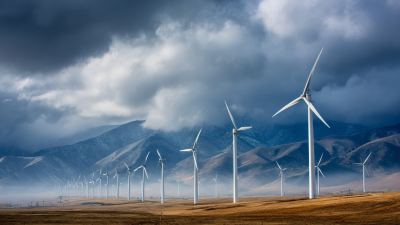
Wind power is emerging as a crucial player in the renewable energy landscape. The advancements in turbine technology enhance energy efficiency. Modern turbines can harness wind at various speeds, making them more effective even in less windy areas. The integration of digital technology allows for real-time monitoring and optimization of energy output. This data-driven approach maximizes efficiency and reduces operational costs over time.
Despite these advancements, challenges remain. Siting turbines in optimal locations can cause friction with local communities. Visual and noise impacts sometimes lead to opposition. Additionally, wind patterns are unpredictable, which poses reliability issues. Battery storage solutions can help, but they add complexity to the energy supply chain. Wind energy should not be viewed as a standalone option, but rather as part of a diverse energy portfolio. As we navigate these challenges, ongoing innovation and collaboration among stakeholders will be essential for success.
2026 Best Renewable Energy Sources for a Sustainable Future
| Energy Source |
Capacity (GW) |
Annual Production (TWh) |
Growth Rate (2020-2026) |
Investment (Billion $) |
| Wind Power |
120 |
400 |
10% |
150 |
| Solar Energy |
110 |
320 |
12% |
200 |
| Hydropower |
150 |
600 |
5% |
50 |
| Biomass |
20 |
80 |
7% |
25 |
| Geothermal |
15 |
20 |
6% |
10 |
Emerging Biomass and Bioenergy Solutions for Eco-friendly Energy
Emerging biomass and bioenergy solutions are pivotal for a sustainable energy future. Biomass, derived from organic materials, can produce electricity, heat, and fuel. It's versatile and can use agricultural waste, forest residues, or even dedicated energy crops. This approach helps reduce waste while providing an alternative to fossil fuels.
Tips: Consider local resources. Utilizing regional biomass reduces transportation emissions. Look into community programs focused on bioenergy. Joining efforts can drive local efficiency and awareness.
However, biomass energy isn't without challenges. Sustainable sourcing is crucial. Overharvesting may lead to deforestation and habitat loss. It's essential to balance energy needs with environmental impact. Engaging local communities ensures responsible practices.
Tips: Research local regulations. Ensure sustainable sourcing aligns with government guidelines. Educate yourself on responsible biomass collection methods. Engage in conversations about sustainability in your community.
2026 Best Renewable Energy Sources for a Sustainable Future