Choosing the right wind turbines requires more than comparing advertised power ratings. A compact home turbine may suit a windy rural property, while a commercial machine needs detailed engineering, grid planning, and long-term maintenance support. The best choice depends on wind speed, turbulence, tower height, land availability, local climate, and expected electricity demand.
Wind-energy author and industry expert Paul Gipe describes a fundamental principle: “Wind energy is a form of solar energy.” That idea matters because sunlight drives uneven heating across the planet, creating moving air. Yet wind is not equally useful everywhere. A turbine beside trees or buildings may experience unstable airflow, reduced output, and unnecessary mechanical stress. Taller towers often capture stronger, smoother winds, but they also increase installation costs and permitting challenges.
This guide examines ten wind turbines for home and commercial use. It considers rated capacity, rotor size, cut-in speed, noise, safety features, warranty coverage, and service availability. Real-world performance matters more than impressive brochures. A turbine producing less electricity than expected can quickly weaken an otherwise sensible investment.
There is no perfect model.
Even experienced buyers can overlook seasonal wind changes, battery losses, or difficult maintenance access. I have treated those weaknesses honestly rather than presenting every turbine as a universal solution. Readers should verify local wind data, structural requirements, and professional installation advice before purchasing. Careful selection can turn a visible tower and slowly turning blades into dependable renewable power.

A reliable wind turbine begins with an honest reading of the site. Wind speed alone is not enough. Turbulence, nearby trees, buildings, seasonal changes, and tower height can alter energy production significantly. A turbine rated at ten kilowatts may produce far less if its location has weak or unstable winds.
Site data matters.
Look for at least several months of measured wind information, preferably from the planned hub height. Reliable systems use durable blades, sealed electrical components, strong braking systems, and corrosion-resistant hardware. The turbine should also have clear cut-in, rated, and cut-out wind speeds. These figures reveal how it behaves during calm periods and storms. Safety certification and documented testing deserve more attention than attractive performance claims.
Maintenance is another practical test. Commercial operators need remote monitoring, accessible replacement parts, and trained service support. Homeowners should check inverter compatibility, battery requirements, grid rules, and local noise limits. A dependable tower and foundation are equally important; poor installation can damage an excellent turbine. I would not choose equipment only by its advertised output. Even careful wind estimates can miss turbulence or winter icing. That uncertainty is uncomfortable, but ignoring it is worse. Reliability often comes from modest sizing, regular inspections, and a design matched to the actual site rather than the brochure.
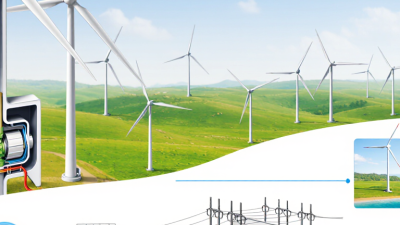
Horizontal-axis turbines suit open farmland, coastal sites, and commercial wind projects. Their blades face the wind and often deliver strong output at steady wind speeds. Small three-blade models can support homes, workshops, or remote monitoring stations. They need a clear tower location, not a turbulent rooftop. A professional wind assessment matters more than advertised power ratings.
Vertical-axis turbines handle changing wind directions and fit some urban or compact sites. Darrieus designs can produce useful energy in moderate winds, while Savonius models offer reliable starting torque at lower speeds. They are quieter in certain installations, but efficiency may be lower. Rooftop placement sounds convenient. In practice, nearby walls can create vibration and uneven airflow.
Ducted turbines may improve performance in carefully designed small systems, especially where space is limited. Direct-drive units reduce gearbox maintenance and can suit demanding commercial sites. Grid-connected turbines work best where local infrastructure can accept exported electricity. Off-grid systems require batteries, charge controls, and backup planning. Hybrid wind-and-solar systems help when calm weather reduces wind production. I once assumed a taller turbine was always better; terrain, access, noise, and maintenance changed that decision. Choose a turbine after measuring seasonal wind, checking structural loads, and estimating real annual energy, not peak output.
10 Best Wind Turbines for Home and Commercial Use?
Choosing among the ten best wind turbines requires more than comparing advertised capacity. A 5 kW turbine does not always produce 5 kW. Its actual output depends on average wind speed, turbulence, tower height, and seasonal conditions. Check the power curve, not only the rated capacity. Annual energy estimates are more useful for budgeting. They should come from measured local wind data, not optimistic assumptions. A higher rating sounds better, but it may perform poorly on a short tower near trees.
Efficiency also includes how consistently the turbine captures usable wind. Look for a suitable cut-in speed, strong performance at moderate winds, and documented testing. Residential turbines often face changing wind directions and nearby obstacles. Commercial models usually need larger foundations, cranes, electrical protection, and scheduled maintenance. That difference can dominate the purchase price. I have seen projects underestimate installation costs. The turbine itself was not the main expense.
Tips: Measure wind conditions at the planned hub height whenever possible. Ask an experienced installer about turbulence, soil strength, noise limits, permits, and grid connection rules. Compare battery storage separately if the system operates off-grid. Inspect warranty terms carefully, especially coverage for blades, bearings, and the generator. Do not ignore access for repairs. A model with slightly lower efficiency may be the wiser choice if local technicians can service it quickly. My own comparison would remain cautious, because predicted output can change after installation.
| Profile | Typical Use | Rated Capacity | Rotor Diameter | Rated Wind Speed | Cut-in / Cut-out Wind Speed | Indicative Net Capacity Factor | Estimated Annual Energy* | Typical Tower Height | Installation Requirements | Best Selection Advantage | Overall Fit |
|---|---|---|---|---|---|---|---|---|---|---|---|
| Compact Micro Turbine | Remote cabins, boats, telecommunications, and battery charging | 0.4 kW | 1.2 m | 11–13 m/s | 2.5 / 20 m/s | 8–12% | 280–420 kWh | 6–12 m | Unobstructed site, charge controller, battery bank, and small concrete or guyed support | Low cost and simple off-grid integration | Best for small loads |
| Small Residential Turbine | Energy support for efficient homes and rural properties | 1 kW | 2.5 m | 10–12 m/s | 2.5 / 25 m/s | 12–18% | 1,050–1,580 kWh | 12–18 m | Free-standing or guyed tower, inverter, electrical disconnect, grounding, and local approval | Accessible scale for modest electricity demand | Best for remote homes |
| Residential Utility Turbine | Large homes, farms, and hybrid solar-wind systems | 2 kW | 3.7 m | 10–11 m/s | 2.5 / 25 m/s | 15–22% | 2,630–3,850 kWh | 15–24 m | Tall tower, structural foundation, inverter, service access, and separation from buildings | Good balance between output and residential scale | Best for rural homes |
| Advanced Small Wind Turbine | Farms, estates, workshops, and community facilities | 5 kW | 6.4 m | 10–12 m/s | 2.5 / 25 m/s | 18–27% | 7,900–11,800 kWh | 18–30 m | Professional foundation, grid-tie equipment, crane or lifting equipment, and planning review | Meaningful annual production without commercial-scale complexity | Best for agricultural sites |
| Small Commercial Turbine | Small businesses, schools, lodges, and agricultural operations | 10 kW | 9.5 m | 11–13 m/s | 3 / 25 m/s | 22–32% | 19,300–28,100 kWh | 24–36 m | Engineered foundation, three-phase connection, crane access, monitoring, and commercial permits | Useful on-site generation for steady daytime loads | Best for small enterprises |
| Farm and Microgrid Turbine | Large farms, rural microgrids, and light industrial facilities | 20 kW | 14 m | 11–13 m/s | 3 / 25 m/s | 25–35% | 43,800–61,300 kWh | 30–45 m | Geotechnical review, heavy foundation, crane access, protection equipment, and grid studies | Higher output with manageable distributed-generation requirements | Best for farms and microgrids |
| Community-Scale Turbine | Municipal sites, industrial premises, and shared-energy projects | 50 kW | 20 m | 11–13 m/s | 3 / 25 m/s | 28–38% | 122,600–166,400 kWh | 40–60 m | Transport planning, engineered civil works, crane mobilization, environmental review, and grid interconnection | Strong production for distributed commercial use | Best for community projects |
| Large Distributed Turbine | Factories, water utilities, ports, and large agricultural sites | 100 kW | 24–28 m | 11–13 m/s | 3 / 25 m/s | 30–40% | 263,000–350,000 kWh | 50–80 m | Detailed wind assessment, reinforced foundation, high-voltage equipment, crane logistics, and formal permitting | High annual output where land and grid capacity are available | Best for industrial self-generation |
| Utility-Scale Onshore Turbine | Wind farms, utility supply, and large power-purchase projects | 250 kW | 32–35 m | 12–14 m/s | 3 / 25 m/s | 32–42% | 700,000–920,000 kWh | 60–100 m | Wind-resource campaign, roads, heavy transport, large crane, substation, environmental assessment, and grid studies | Efficient use of high-quality onshore wind resources | Best for utility projects |
| Large Utility Turbine | Commercial wind farms and regional electricity generation | 500 kW | 45–50 m | 13–15 m/s | 3 / 25 m/s | 35–45% | 1,530,000–1,970,000 kWh | 70–110 m | Utility-scale civil engineering, major transport routes, high-voltage substation, aviation review, and extensive permitting | Highest output among the listed onshore profiles | Best for commercial wind farms |
10 Best Wind Turbines for Home and Commercial Use?
Top Ten Wind Turbine Options for Different Applications
Choosing among ten wind turbine types depends on wind speed, land area, energy demand, and maintenance access. A micro turbine suits a cabin or remote shed with modest loads. A compact rooftop vertical-axis turbine can fit dense neighborhoods, although nearby buildings may create turbulent airflow. For a rural home, a small horizontal-axis turbine usually performs better with a clear tower and steady wind. A solar-wind hybrid system can support household batteries when sunlight changes seasonally. It costs more and needs careful charge-control design.
An off-grid turbine works well for telecom equipment, research stations, or emergency monitoring sites. Agricultural operators may prefer a low-maintenance turbine connected to water-pumping equipment. A community-scale turbine can serve several buildings, but agreements on noise, ownership, and land use require patience. Commercial properties often need a larger grid-connected unit, professional electrical protection, and formal utility approval. Coastal sites need corrosion-resistant materials and sealed electrical components. Salt air is unforgiving. Industrial facilities may consider a utility-scale turbine, but only after detailed wind studies, geotechnical checks, and environmental reviews.
In practical assessments, annual energy estimates matter more than advertised peak output. Verify the power curve, tower height, acoustic data, warranty terms, and replacement-part access. Certification under recognized international standards can improve confidence, but it does not guarantee strong production at every site. I would not place a rooftop turbine automatically. That approach often looks simple and performs poorly. A few months of measured wind data may reveal an expensive mistake before installation.
Choosing among the 10 best wind turbines requires more than comparing rated power. Safety begins with site assessment, tower design, braking systems, and certified installation. IEC 61400-2 sets safety requirements for small wind turbines, including structural loads and control systems. A turbine beside a roof may look convenient, but turbulence can increase vibration, noise, and fatigue. It can also reduce energy output.
Maintenance costs often decide long-term value. Inspect blades, bolts, cables, and bearings at least annually, with extra checks after severe storms. Keep service access clear. The U.S. Department of Energy reports that distributed wind performance depends strongly on tower height, wind quality, and local siting. A small machine in weak or turbulent wind may produce disappointing electricity. That is an uncomfortable truth.
IRENA reported a global weighted-average onshore wind electricity cost of about $0.033 per kilowatt-hour in 2023. However, that figure mainly reflects large projects, not residential installations. Home systems usually face higher costs per kilowatt because towers, permits, wiring, batteries, and maintenance are divided across smaller output. Include replacement parts and downtime in the financial model. NREL guidance also emphasizes measured wind data before investment; short-term assumptions can mislead. Five years of operation may reveal more than a polished brochure. A realistic choice balances safe engineering, service availability, sound limits, corrosion protection, and lifetime energy—not peak power alone.
Comparison of representative small-wind turbine configurations using estimated annual energy production at a 5.5 m/s average annual wind speed. The benchmark reflects typical capacity factors, rotor sizes, service requirements, installed costs, and 20-year design-life expectations without using company or brand data.
Planning benchmark: estimated values assume a properly maintained turbine, suitable open-site exposure, a 20-year design life, and an average annual wind speed of 5.5 m/s. Actual results require a site-specific wind assessment.