How to Choose the Right Wind Turbine for Your Home Energy Needs
Choosing the right wind turbine for your home energy needs can be daunting. With various models and specifications, selecting the best fit is crucial. As noted by renewable energy expert Dr. Alice Greene, “Understanding your energy needs is essential for selecting the appropriate wind turbine.” Her insight highlights the importance of matching a turbine to your specific requirements.
Wind turbines differ in size, capacity, and functionality. It is vital to assess your energy demands accurately. Factors such as local wind patterns and overall energy consumption play significant roles in making the right choice. A well-suited turbine can lead to significant savings and sustainability benefits, but choosing poorly can result in wasted investment.
Moreover, not every home is suitable for wind turbines. Space limitations and zoning laws may complicate installation. Despite these challenges, many homeowners are turning to wind energy. It’s important to do thorough research and seek expert guidance. Understanding imperfections in the decision-making process can pave the way for better choices.

Factors to Consider When Choosing a Wind Turbine for Home Use
Choosing the right wind turbine for your home can be challenging. The first step involves assessing your energy needs. Calculate your average energy consumption in kilowatt-hours. This will help determine the capacity you require from the turbine. A small household might need 1-5 kW, while larger homes could require more.
Next, consider your local wind conditions. Wind speed and frequency greatly impact turbine performance. Research local wind data to understand if your area receives consistent winds. Ideally, you want an average wind speed of at least 10 mph. Poor wind conditions might lead to underperformance, making your investment less worthwhile.
Additionally, think about space and zoning laws. Wind turbines require a significant amount of space for optimal performance. Check your property lines and local regulations to ensure compliance. A turbine too close to neighbors might cause disputes. These considerations will shape your decision. Building trust with neighbors and understanding local laws can be difficult, yet this effort is crucial.
Types of Wind Turbines Suitable for Residential Applications
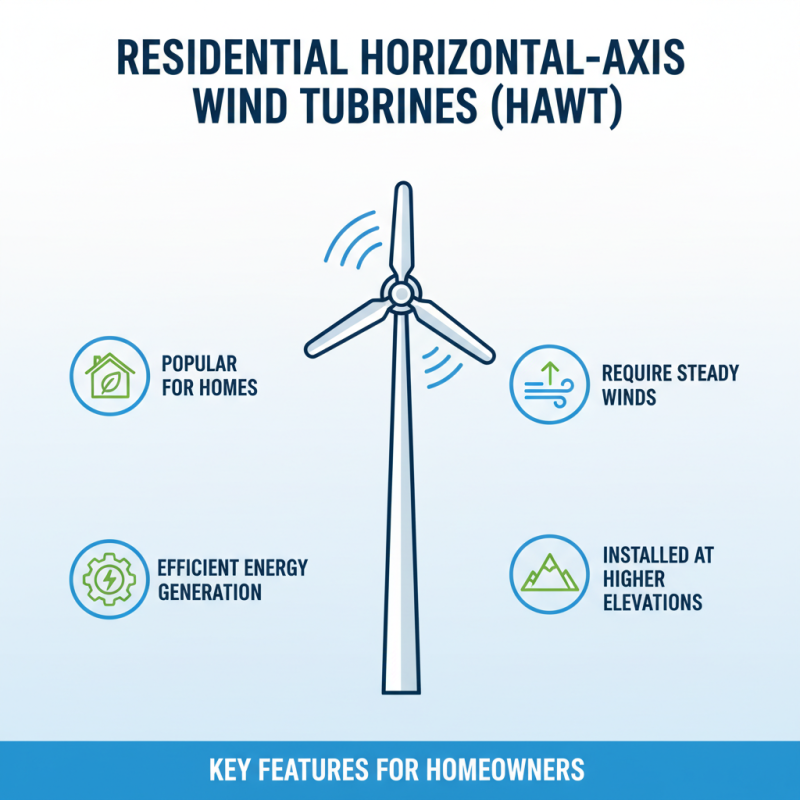
When selecting a wind turbine for residential use, understanding the types available is crucial. Horizontal-axis wind turbines (HAWT) are popular for homes. These turbines have blades that rotate around a horizontal axis. They are efficient and can generate significant energy. However, they require steady winds and are often installed at higher elevations.
Vertical-axis wind turbines (VAWT) offer another option. Their design allows them to capture wind from any direction. This makes them suitable for varied wind conditions. They tend to be quieter and require less maintenance. However, their energy output is usually lower than HAWTs.
Tips: Consider your local wind patterns before making a choice. A site assessment can guide you in picking the right turbine. It's important to check for any zoning regulations that may apply to your installation. Keep in mind, installing the wrong type of turbine can lead to insufficient energy generation.
Evaluate your energy needs carefully. Sometimes, larger or more advanced models seem appealing but may not suit your conditions. Balancing cost and functionality is key. Getting it right is a process, and may require a few adjustments over time.
Assessing Your Home's Energy Needs and Wind Resources
Assessing your home's energy needs is crucial before choosing a wind turbine. Start by evaluating your average electricity consumption. Look at past utility bills to see your monthly usage patterns. Note peaks and lows in consumption. This can help determine the size of the turbine you might need.
Next, evaluate the wind resources in your area. Check local wind data or resources. Some areas may have consistent winds, while others might have calm days. Installing a turbine in a less windy area can lead to inefficiencies. If your home has trees or buildings nearby, this could reduce wind flow. Consider doing a wind measurement for a few months. This will provide better insights.
Understanding these aspects can be challenging. It's not just about picking a turbine; it’s about finding the right fit. Mistakes in assessment can lead to inadequate energy production. Reflecting on your energy habits may reveal more about your demands. Sometimes, we overlook the simplest factors. It's essential to approach this with care and diligence.
How to Choose the Right Wind Turbine for Your Home Energy Needs
| Turbine Type |
Rated Power (kW) |
Cut-in Wind Speed (m/s) |
Optimal Height (m) |
Estimated Annual Output (kWh) |
| Horizontal Axis Wind Turbine |
5 |
3 |
18 |
9,500 |
| Vertical Axis Wind Turbine |
3 |
2 |
10 |
5,000 |
| Small Wind Turbine |
1.5 |
3.5 |
12 |
2,500 |
| Community Scale Turbine |
20 |
4 |
25 |
45,000 |
Understanding Local Regulations and Permits for Wind Turbines
Understanding local regulations is crucial when considering a wind turbine for your home. Each area has specific rules governing the installation of turbines. These could include setback requirements and height limitations. It's important to consult your local planning department. They can provide insights on zoning laws relevant to wind energy.
Permits are typically required for wind turbine installations. The application process can be lengthy and complex. Some regions may ask for environmental assessments to study the impact on local wildlife. Neighbors may also need to give their input. This can be a source of conflict or confusion. Communication with the community is essential.
Consider the visual impact of your turbine as well. Some areas have strict aesthetic guidelines. These regulations may affect turbine design or placement. Also, review maintenance responsibilities outlined in the permits. Overlooking these can lead to issues down the line. Taking the time to thoroughly understand these elements will help ensure a smoother installation process.
Evaluating Cost, Maintenance, and Installation Options for Wind Turbines
Choosing the right wind turbine for your home requires careful consideration of costs, maintenance, and installation options. The initial investment can vary significantly. Small turbines might cost less, but their efficiency may not meet your energy requirements. Larger systems are more expensive but generate more power. Consider your local wind resources before deciding.
Maintenance is another crucial factor. Turbines require regular inspections and occasional repairs. Understanding the maintenance schedule can help avoid unexpected costs. Some turbines are easier to access for repairs, while others may require specialized technicians. Think about how comfortable you are addressing these issues.
Tips to keep in mind: Research the average lifespan of the turbines you're considering. Some models last longer, which could save you money in the long term. Also, check local regulations about wind turbine installations. It's essential to comply with zoning laws. Don't overlook your neighbors' opinions; a poorly placed turbine can lead to disputes. Consider noise levels too. Some turbines are quieter than others. This can affect your daily life.
Wind Turbine Cost and Maintenance Evaluation