How to Choose the Best Clean Energy Projects for Investment?
Choosing the best clean energy projects for investment is vital in today's economy. Experts like Dr. Emily Chen, a leading researcher in renewable energy, emphasize, "Investing in clean energy is not just smart; it's essential for our future." With global energy demands rising, the urgency to transition to sustainable energy sources has never been clearer.
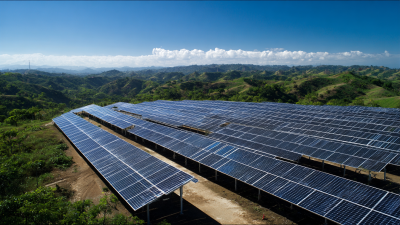
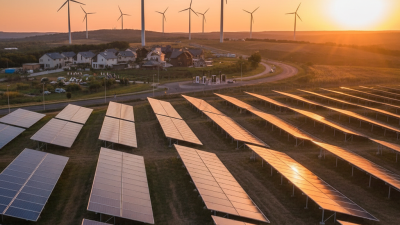
Clean energy projects vary greatly, from solar farms to wind energy installations. Each project presents unique opportunities and challenges. Investors must assess project viability carefully. They should look at recent advancements in technology and financial models. The right clean energy projects can yield substantial returns while driving sustainability.
However, it’s not just about profits. Investors must weigh potential risks. Market trends and regulatory changes can impact project success. A lack of due diligence can lead to significant losses. Therefore, a balanced approach is essential. Understanding both rewards and risks is crucial in selecting the best clean energy projects.
Identifying Key Performance Indicators for Clean Energy Projects
Identifying key performance indicators (KPIs) for clean energy projects is essential for effective investment decisions. KPIs help investors evaluate the viability and sustainability of projects. Metrics like energy output, cost per megawatt-hour, and carbon offset potential are crucial. According to the International Renewable Energy Agency (IRENA), renewable energy projects can reduce greenhouse gas emissions by up to 70%. This figure highlights their environmental benefits.
Another vital KPI is the project’s financial return. A study from BloombergNEF shows that investments in solar and wind projects yielded an average return on investment (ROI) of 7-9% over the past decade. However, this value can fluctuate due to varying factors such as location, technology, and regulatory environments. Investors should remain cautious and analyze market conditions that may influence these returns.
Risk assessment is equally important for clean energy projects. Factors such as technological advancements and policy changes can create uncertainties. For instance, the Global Wind Energy Council notes that project costs have decreased significantly over the past five years, yet competition intensifies. Assessing the evolving landscape requires not just metrics but also reflective insights into potential obstacles and how they may alter project success. Evaluating KPIs helps illuminate both opportunities and inherent risks in the clean energy sector.
Evaluating Technological Innovations in Renewable Energy Solutions
Evaluating technological innovations in renewable energy solutions requires a keen understanding of various factors. Emerging technologies play a critical role in shaping the future of clean energy. Solar, wind, and hydroelectric power sources constantly evolve. They're not just trends; they represent potential investment opportunities.
When assessing projects, keep in mind the maturity of the technology. Newer technologies may deliver high returns but come with higher risks. Established methods often present more reliable investment options. Examine the project's scalability as well. A solution that can grow with demand tends to be more appealing.
In the fast-paced world of clean energy, it's essential to remain adaptive. Changes in technology can shift market dynamics. Look for innovations that promise efficient energy storage or improved conversion rates. Engaging with industry experts can also provide valuable insights. Staying updated ensures you make informed choices.
Always consider the project's environmental impact. A solution that harms ecosystems isn't sustainable, regardless of potential returns. Thoughtful evaluation and a balanced perspective can guide you toward responsible investments. This reflection is crucial for long-term success and integrity in the clean energy sector.
Investment Evaluation of Clean Energy Technologies
Assessing the Financial Viability of Clean Energy Investments
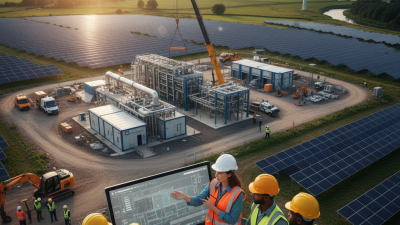
Choosing clean energy projects requires a deep understanding of financial viability. Investors must assess both costs and potential returns. The complexity of energy projects can make this process daunting. Evaluating factors like initial investment, operational costs, and expected revenue is crucial. Thorough due diligence is necessary to mitigate risks.
Tips for analysis include: scrutinize projected cash flows closely. A small error in assumptions can lead to significant miscalculations. Review past performance data of similar projects. Trends can indicate potential success or failure. Consider the regulatory landscape affecting clean energy investments. Policy changes can impact returns unexpectedly.
Understanding market demand is vital. Projects aligned with future energy needs tend to perform better. Be wary of overly optimistic projections. Even experienced investors can overlook key details. Balancing risk and reward is an ongoing challenge in this sector. Continuous learning and adaptation are essential for success in clean energy investments.
Analyzing Market Trends and Demand for Sustainable Energy Sources
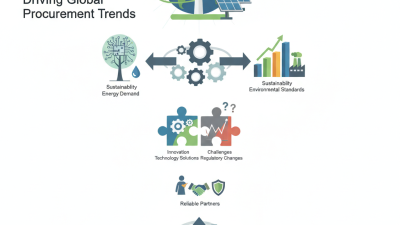
Investing in clean energy projects requires careful analysis of market trends and demand. The shift towards sustainable energy sources is driven by several factors. Consumers are increasingly concerned about climate change. This demand creates opportunities for investors looking to support greener initiatives.
Renewable energy markets are evolving rapidly. Solar and wind technologies are becoming more efficient and cost-effective. However, not all projects yield equal returns. Analyzing local regulations and incentives is crucial. Sometimes, government policies favor certain energy projects over others, impacting profitability.
Investors should also consider community engagement. Projects that align with local needs often perform better. Public support can enhance project sustainability. While projections can guide decisions, the industry is still subject to change. Awareness of these dynamics is essential for sound investment choices in the clean energy landscape.
How to Choose the Best Clean Energy Projects for Investment? - Analyzing Market Trends and Demand for Sustainable Energy Sources
| Project Type |
Location |
Capacity (MW) |
Investment Amount ($ Million) |
Expected Return (%) |
Market Demand Index |
| Solar |
California, USA |
150 |
120 |
8.5 |
High |
| Wind |
Texas, USA |
300 |
200 |
7.0 |
Very High |
| Hydropower |
Brazil |
400 |
300 |
6.5 |
Moderate |
| Geothermal |
Iceland |
100 |
50 |
9.0 |
High |
| Biomass |
Germany |
50 |
40 |
5.0 |
Growing |
Understanding Regulatory Frameworks Impacting Clean Energy Projects
Regulatory frameworks are crucial when selecting clean energy projects for investment. These frameworks dictate how projects are developed, financed, and operated. Understanding the nuances of these regulations helps investors make educated decisions. For instance, local policies might favor certain technologies over others, impacting potential returns.
When evaluating a clean energy project, keep an eye on incentives. Tax credits, subsidies, and grants can significantly enhance the viability of a project. Thoroughly research what is available in your target area. Pay attention to the timeframes for applying these incentives; delays could affect profitability.
Consider the stability of the regulatory environment. Frequent changes can create uncertainty. A project with solid backing from long-term policies is often a safer bet. Conduct due diligence on local political climates, as this can influence future regulations. Every investment carries risks, and regulatory changes can affect project sustainability.