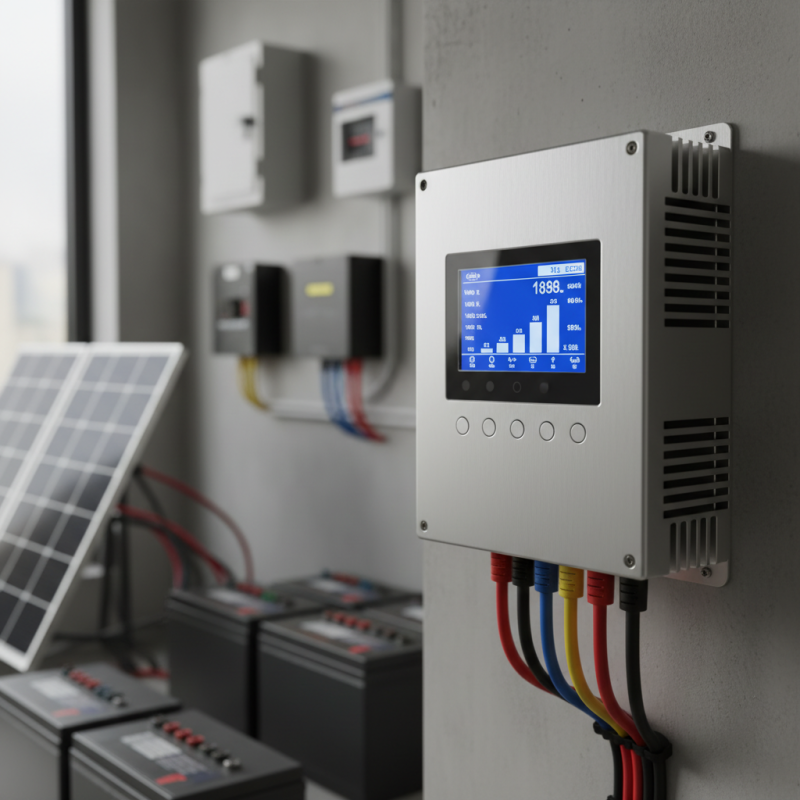
How to Choose the Best Solar MPPT Controller for Your System?
Selecting the right Solar MPPT controller is crucial for your solar energy system. This device optimizes energy production from solar panels, ensuring efficiency. Many options are available, making the choice overwhelming.
You must consider various factors. The controller's input voltage must match your solar panels. If it doesn’t, performance suffers. Additionally, the charging capacity should align with your battery system. A misfit can lead to wasted energy. There are many brands and models, each claiming to be the best.
However, not all controllers live up to the hype. Some may have fewer features, while others might lack reliability. Researching user reviews can reveal valuable insights. A good controller should balance features, cost, and durability. Be cautious of overly cheap models; they may save money upfront but fail in the long run. Your choice impacts not only performance but also the lifespan of your solar setup.
Understanding Solar MPPT Controllers and Their Importance
Solar MPPT (Maximum Power Point Tracking) controllers play a crucial role in maximizing energy output from solar panels. They optimize the power generated by adjusting the electrical load on the system. This ensures that the solar panels operate efficiently under varying weather conditions. A well-chosen MPPT controller significantly enhances the entire solar system's performance.
Understanding the intricacies of solar MPPT controllers is vital. While it may seem straightforward, many users overlook specific features. For instance, the controller's input voltage range should match the panel output. Users often miscalculate their needs, leading to unexpected inefficiencies.
Another aspect to consider is the efficiency rating of the MPPT controller itself. It varies widely across models, affecting long-term performance.
Choosing the right MPPT controller isn't just about features. It’s about understanding your unique setup. Users should reflect on their energy consumption patterns. A one-size-fits-all approach could lead to wasted potential. Investing time in research may yield better results than rushing into a decision. Prioritize efficiency and compatibility to truly benefit from solar energy.
Key Factors to Consider When Selecting a Solar MPPT Controller
Choosing the right solar MPPT controller is crucial for your solar power system's efficiency. One important factor is the system's voltage. It must match the voltage of your solar panels. Different systems operate on different voltages. Ensure compatibility to avoid damage in the future. Oversized controllers can also lead to inefficiencies.
Another key aspect is the maximum power point tracking efficiency. Look for controllers that have high tracking efficiency. A 98% efficiency or higher is preferable. This means better energy conversion and more power for your home. However, not all controllers reach this level, so do your research.
Consider the features offered, like temperature compensation and load control. Such functions can enhance performance and prolong battery life. However, while advanced features sound appealing, they can complicate simple systems. Make sure you really need them. Reflect on your specific requirements to avoid overcomplicating your setup.
Comparison of Key Factors in Choosing a Solar MPPT Controller
This chart illustrates the important factors to consider when selecting a solar MPPT controller, showcasing their significance based on user preferences.
Types of Solar MPPT Controllers and Their Features
When selecting a solar MPPT controller, understanding the different types available is crucial. There are primarily two categories: standalone and grid-tied controllers. Standalone units are designed for off-grid systems. They can effectively manage energy storage in batteries. Grid-tied controllers, on the other hand, connect directly to the power grid. They optimize energy production and allow for net metering.
MPPT controllers have unique features. For instance, some offer real-time monitoring through digital displays or mobile apps. This feature lets users track performance easily. Others include advanced protection mechanisms against over-voltage and over-current. These safeguards are essential for long-term durability. However, not every controller is suitable for every situation, and choosing the wrong type can lead to inefficiency.
Considering the size of your solar system is important. A controller that is too small may underperform, while an oversized unit can waste energy. Users should also examine compatibility with their solar panels and battery systems. Failing to do sufficient research may lead to unexpected challenges. Ultimately, the right choice should balance efficiency, features, and cost, reflecting specific energy needs and goals.
Evaluating the Compatibility of MPPT Controllers with Your System
When selecting an MPPT controller, compatibility is crucial. Not all controllers work with every solar system. Check your solar panel's voltage and current ratings. The MPPT controller should be matched to these specifications. Check if the controller can handle your total system wattage. This ensures it can manage power output efficiently.
Tips: Always consult the technical specifications. Look for input voltage ranges and maximum current ratings. This can save you from costly mistakes.
Consider battery types too. Different batteries require specific charging profiles. Ensure the MPPT controller fits your battery technology. Lithium batteries often need different settings than lead-acid. Double-check if the controller can switch between battery types if needed.
Tips: Pick a flexible MPPT controller. Some allow for different battery chemistry. This feature may be useful for future upgrades.
Finally, examine installation requirements. Some controllers have unique setups or mounting needs. Be aware of your system layout and space. A poorly fitting controller can hinder performance. Installation can be tricky if not planned well.
Tips: Measure your available space first. This helps choose the right controller for your setup. Always leave extra room for cooling.
Budgeting and Planning for Your Solar MPPT Controller Purchase
When budgeting for a solar MPPT controller, it's crucial to assess your energy needs early on. Consider the size of your solar array and battery capacity. A larger system may require a more advanced MPPT controller, which can increase your costs. Research various options available in the market. Prices can vary significantly based on features. Do not rush into a decision, though it’s easy to overlook key specifications.
Planning your purchase should involve more than just the upfront cost. Think about installation fees and potential maintenance. An affordable controller may not always be the best deal in the long run. Sometimes, cheaper models can lead to inefficiencies. They might cause more wear on your battery over time. Therefore, weigh the benefits of durability against initial savings.
Also, utilize online resources to gather information. Forums and customer reviews can provide insights. This is not just a financial decision; it’s about maximizing your solar investment. Reflect on your long-term goals and energy usage habits. Small adjustments in your budget can lead to a more effective system. Always remember that a well-planned purchase can yield significant benefits in the future.