10 Tips for Embracing Sustainable Power in Your Everyday Life?

Sustainable power is transforming our modern lifestyles. According to a recent report by the International Renewable Energy Agency (IRENA), renewable energy could supply 86% of global power by 2050. This shift opens opportunities for individuals to engage with sustainable practices in daily life.

Expert in sustainable energy, Dr. Emily Hart, highlights this potential: "Embracing sustainable power is not just a choice, but a necessity for future generations." Adopting sustainable power is not always straightforward. Each small decision can feel insignificant, yet cumulatively, they drive significant change.

Our current habits often revolve around convenience. Implementing sustainable power solutions requires reflection and adjustment. Yet, every effort counts. Transitioning to renewable energy in our homes leads to reduction in carbon footprints. As individuals, we hold the power to push for a sustainable future.

10 Tips for Embracing Sustainable Power in Your Everyday Life?

Understanding Sustainability and Its Importance in Daily Life

Sustainability is not just a trend. It's a vital aspect of our lives. Understanding sustainability helps us recognize our impact on the environment. We often overlook our daily choices, but even small actions matter. Choosing to reduce waste can change habits. For instance, using reusable bags instead of plastic ones is a simple yet effective step.

Adopting sustainable practices fosters a sense of responsibility. It invites us to rethink our purchases and energy usage. Simple things, like turning off lights when leaving a room, can reduce energy consumption. It’s easy to forget in a busy life. We might slip back into old habits. However, staying mindful makes a difference.

Engaging with local communities can enhance our understanding of sustainability. Joining clean-up drives or community gardens can connect us with others. It cultivates awareness and commitment. Embracing sustainability may feel daunting, but each effort counts. If we all pledge to make one change, the collective impact can be powerful.

10 Tips for Embracing Sustainable Power in Your Everyday Life

Tip Description Impact Implementation
Use Energy-Efficient Appliances Choose appliances that have high energy efficiency ratings. Reduces energy consumption and lowers utility bills. Look for Energy Star ratings when shopping.
Switch to LED Lighting Replace incandescent bulbs with LED alternatives. Lasts longer and uses up to 80% less energy. Replace bulbs gradually as they burn out.
Unplug Electronics Disconnect devices when not in use to prevent phantom energy loss. Can save up to 10% on your electricity bill. Use power strips to make it easier to unplug multiple devices.
Opt for Renewable Energy Consider switching to a renewable energy provider. Reduces reliance on fossil fuels and lowers carbon footprint. Research local renewable energy options available.
Practice Water Conservation Use water-saving fixtures and fix leaks promptly. Saves water resources and energy used in heating water. Install low-flow showerheads and faucets.
Use Public Transportation Reduce the number of individual car trips by using public transport. Lowers greenhouse gas emissions and decreases traffic congestion. Check local transport schedules and plan trips accordingly.
Reduce, Reuse, Recycle Minimize waste generation by reusing items and recycling materials. Decreases landfill waste and conserves natural resources. Set up a recycling station at home and buy recycled products.
Purchase Local Products Buy from local farmers and businesses to reduce transportation emissions. Supports the local economy and reduces carbon footprint. Visit local markets or join community-supported agriculture programs.
Change Eating Habits Incorporate more plant-based meals into your diet. Reduces environmental impact of food production. Explore vegetarian or vegan recipes to try.

Identifying Everyday Practices for Energy Conservation and Efficiency

Embracing sustainable power starts with simple choices. Energy conservation can be a daily practice. Small changes make a big difference. Using energy-efficient light bulbs is one easy way to save energy. They last longer and use less power. Consider turning off lights in rooms you’re not using. It seems small, but the impact is real.

Another practice is unplugging devices when they are not in use. Many gadgets consume power even when they’re off. This phantom energy use adds up. Consider using power strips to easily switch off multiple devices at once. It’s a small step to a larger change.

Adjusting your thermostat can also save energy. Slightly lowering your heat in winter, or raising it in summer can cut costs. Layer up with warmer clothes instead. You might find you enjoy the cozy feel. Every little effort counts. Being mindful of your habits leads to a sustainable lifestyle. Changing your daily practices is achievable with some reflection.

Integrating Renewable Energy Sources in Home and Lifestyle Choices

Integrating renewable energy sources into your home can significantly impact your lifestyle. Start by assessing your energy consumption. Track how much electricity you use each month. This awareness helps identify areas for improvement. Consider small steps, such as switching to LED bulbs for efficiency. They last longer and save energy.

Solar panels also offer great potential for homeowners. Installing them may seem daunting, but they can lower energy bills. Research local incentives; these programs can help offset initial costs. Be sure to learn about battery storage options. This allows you to store excess energy for later use.

Water conservation is another essential part of a sustainable lifestyle. Capture rainwater for garden use or install low-flow fixtures. Such changes may require some adjustment. Yet, the benefits can be rewarding. Reflect on how these choices influence your daily routine. Shifting toward renewable energy is a journey, not a race.

Adopting Sustainable Transportation Methods for Daily Commutes

Embracing sustainable transportation methods for daily commutes is crucial in reducing our carbon footprint. According to a report by the International Energy Agency, transportation accounts for nearly 25% of global CO2 emissions. Opting for walking, cycling, or public transport can significantly lower these emissions. For instance, a bus can take up to 50 cars off the road. This shift not only helps the environment but also eases urban congestion.

Many people struggle with this transition. Public transport systems may not always be accessible or reliable. Additionally, factors such as safety and convenience can deter individuals from opting for greener choices. The World Health Organization states that urban air pollution from vehicles leads to 4.2 million premature deaths annually. This stark reality calls for reevaluation.

Cycling, while eco-friendly, may present challenges like weather changes and inadequate infrastructure. Yet, cities can invest in more bike lanes and safety measures. Enhanced public transport systems can also encourage more people to leave their cars behind. Finding the balance remains tricky, but every small step towards sustainable commuting counts.

Making Eco-Friendly Consumer Choices in Products and Services

10 Tips for Embracing Sustainable Power in Your Everyday Life?

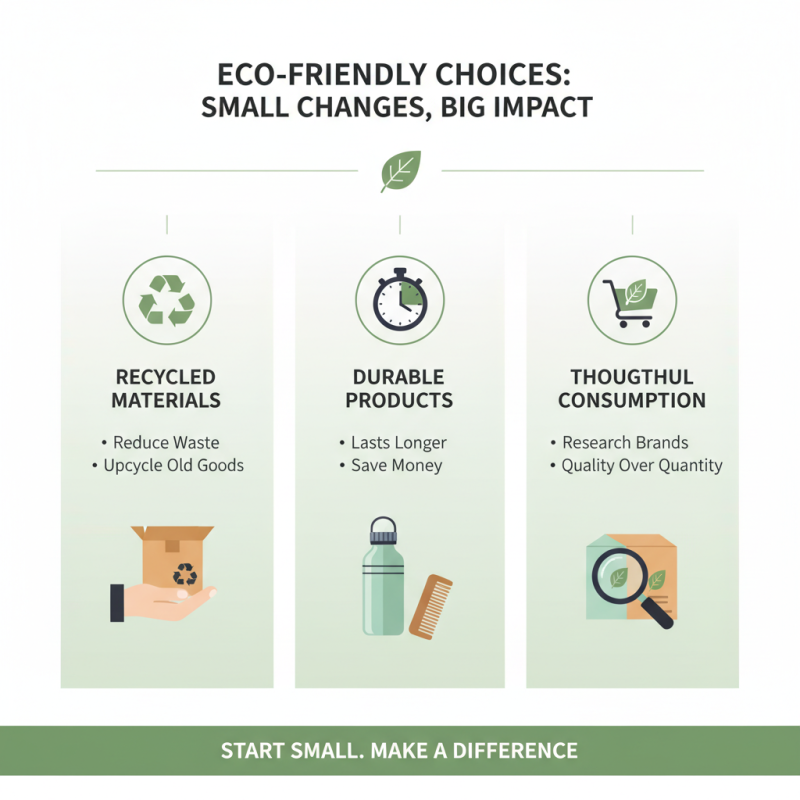
Making eco-friendly consumer choices can feel overwhelming. The vast range of products and services available can cloud one’s decision-making process. However, small, thoughtful changes can lead to a more sustainable lifestyle. For instance, opting for products made from recycled materials is one way to reduce waste. Look for durable goods that last longer, which can save money over time.

Additionally, consider the energy efficiency of the services you use. Installing energy-saving appliances in your home can reduce energy bills. While it might require upfront investment, the long-term benefits can be significant. Also, be aware of the environmental impact of your food choices. Choosing locally sourced items can minimize transportation emissions.

However, this journey is not about perfection. It’s about making incremental changes that align with your values. You may face challenges—sometimes convenience will guide choices that aren’t eco-friendly. Recognizing these moments can spark deeper reflection. Striving for sustainability is not about being flawless but rather being conscious and deliberate in everyday choices.