2026 How to Enroll in Renewable Energy Courses for a Sustainable Future?
The global push for sustainability has intensified in recent years, making renewable energy courses more crucial than ever. According to the International Renewable Energy Agency (IRENA), renewable energy jobs are projected to reach 24 million by 2030. This demand underscores the importance of education in fostering a skilled workforce. As energy expert Dr. Samantha Lee states, "Investing in renewable energy courses is not just an option; it's a necessity for our future."
Many individuals are eager to enter this vibrant field but often face challenges. There is a plethora of programs available, making it difficult to choose the right one. The quality of education varies significantly among institutions. Ensuring that a course covers essential topics, such as solar and wind technologies, is vital. Prospective students must seek programs that offer practical experience alongside theoretical knowledge. Engaging in workshops or internships can provide invaluable insights.
Renewable energy courses can propel your career forward. The future demands innovative thinkers and skilled practitioners who can tackle climate change and resource depletion. Enrolling in the right program may feel overwhelming, but it can lead to a fulfilling career that contributes to a sustainable future. The journey begins with education—invest in it wisely.

How Renewable Energy Courses Support Sustainable Development Goals (SDGs)
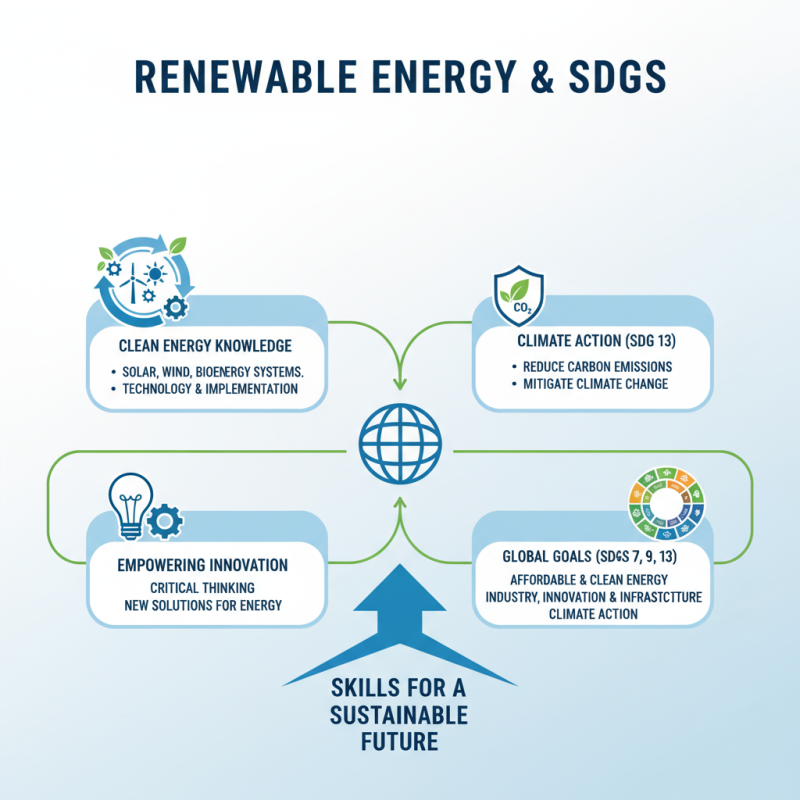
Renewable energy courses play a pivotal role in advancing the Sustainable Development Goals (SDGs). These courses educate individuals about clean energy technologies. Learners explore solar, wind, and bioenergy systems, gaining skills to tackle climate change. Empowering a new generation is crucial. Each course fosters critical thinking and innovation.
Tips: Look for local workshops. Online platforms provide flexible access. Engage in hands-on projects to refine your knowledge.
Studying renewable energy also brings a unique challenge. Some may feel overwhelmed by the rapid changes in technology. Others might struggle to grasp complex concepts. Embracing these difficulties fosters growth. An open mind is essential for adapting to new ideas. Collaboration is vital in group projects, enhancing understanding.
Tips: Join study groups. Ask questions without hesitation. Share your thoughts and learn from peers.
Types of Renewable Energy Courses: Online vs. On-Campus Options
When considering renewable energy courses, you have two main options: online and on-campus. Each format has unique benefits. Online courses provide flexibility. You can study from anywhere. They often have interactive platforms that enhance learning. On-campus courses offer hands-on experience. Students can work directly with equipment and engage in real-time discussions.
Online courses are perfect for busy schedules. You can balance work and education. However, the lack of in-person interaction might feel isolating. Some may struggle with self-discipline. Setting a study routine is crucial. Participation in forums can enhance understanding.
On-campus options immerse students in the learning environment. You can network with peers and instructors. But attending classes requires time and effort. It may not suit everyone. Consider your lifestyle before making a choice. Choose what fits your goals best. Test different formats if unsure. Finding the right path is key.
Key Institutions Offering Accredited Renewable Energy Certification Programs
Many schools now offer accredited renewable energy certification programs. These programs focus on solar, wind, and other green technologies. Students can gain hands-on experience through lab work and online courses.
Institutions vary in their offerings. Some provide short courses, while others have detailed degree programs. Look for programs with industry partnerships. These connections can help students secure internships. Internships often lead to job opportunities after graduation.
Choosing a program isn't easy. Research the coursework, faculty, and success rates of graduates. Consider your goals and interests as well. Missteps are common in decision-making. Talk to alumni or current students for insights into their experiences. They can provide valuable perspectives that will guide your choice.
Renewable Energy Courses Enrollment Statistics (2023)
Industry Demand: Job Growth in Renewable Energy Sector through 2030
The renewable energy sector is poised for remarkable growth. According to industry reports, job opportunities could expand significantly through 2030. Professionals are increasingly needed to address climate change and promote sustainable practices. Solar and wind energy are at the forefront of this transformation. Many countries aim to reduce reliance on fossil fuels. However, this transition poses challenges.
The demand for skilled workers in emerging technologies is urgent. Technicians, engineers, and project managers will be highly sought after. Educational institutions are responding by developing specialized programs. Students can learn about energy management, sustainability, and technology. Hands-on experience is crucial in these courses. Unfortunately, some programs may not keep pace.
Prospective students should research options carefully. Not all courses provide the same depth. Practical applications are essential for a successful career. Engaging with industry professionals can enrich learning. Networking opportunities may lead to internships or job placements. In this evolving field, continuous learning is vital for long-term success.
Essential Skills and Knowledge Gained from Renewable Energy Education Programs
Renewable energy education offers vital skills for a sustainable future. Students gain a deep understanding of solar, wind, and hydro energy systems. They learn how to design and implement these technologies. Practical experience is often included, which is essential. Hands-on projects help bridge the gap between theory and real-world application.
Courses typically cover energy management and policy. Students analyze data on energy consumption and savings. This fosters critical thinking. Knowledge of environmental policies is crucial as well. Many programs emphasize communication skills. Students often present complex information to diverse audiences.
However, not all educational programs are created equal. Some may lack practical components. Others might not keep up with industry trends. It’s important to research various offerings. Reflecting on personal learning goals can guide your choice. What do you want to achieve? Engaging in renewable energy education may be a journey of growth and discovery.
2026 How to Enroll in Renewable Energy Courses for a Sustainable Future?
| Course Title |
Institution |
Duration |
Format |
Key Skills Acquired |
| Introduction to Renewable Energy |
Global Energy Institute |
3 months |
Online |
Basic knowledge of renewable sources, Energy policy |
| Solar Energy Systems |
Institute of Solar Technology |
6 months |
Hybrid |
Solar panel installation, System design |
| Wind Energy Technology |
Windpower Academy |
4 months |
Online |
Turbine operation, Maintenance skills |
| Sustainable Energy Management |
Eco University |
1 year |
On-campus |
Energy auditing, Policy development |
| Energy Storage Technologies |
Renewable Solutions Institute |
5 months |
Online |
Battery technology, System integration |