What is the Future of Renewable Energy Sources in Sustainable Development
The future of renewable energy sources is integral to the discourse surrounding sustainable development, especially in light of the pressing climate crisis. According to the International Energy Agency (IEA), global renewable energy capacity is expected to grow by over 50% from 2020 to 2025, with solar and wind power leading the charge. As societies increasingly recognize the urgency of reducing greenhouse gas emissions, the transition towards cleaner energy sources has become paramount. The United Nations' Sustainable Development Goals emphasize the necessity of affordable and clean energy, identifying it as crucial for economic growth and environmental sustainability.
Moreover, a recent report by the International Renewable Energy Agency (IRENA) highlights that renewable energy sources could provide up to 86% of total global power generation by 2050, demonstrating both the potential and the urgency for immediate action. By investing in renewable technologies now, we can not only tackle climate change but also create millions of jobs and stimulate economic recovery post-pandemic. This shift toward renewable energy is not merely a trend; it represents a fundamental change in how we view energy production and consumption in the framework of sustainable development. With advancements in technology and increasing investments, the coming years will undoubtedly be pivotal in reshaping the energy landscape worldwide.

Future Trends in Solar Energy Adoption and Its Impact on Sustainable Development
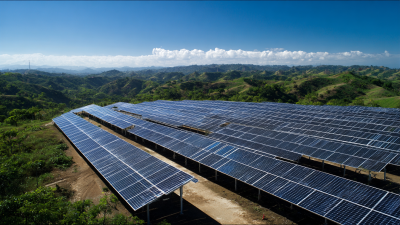
As the world increasingly prioritizes sustainable development, solar energy is emerging as a pivotal player in this transition. According to the International Energy Agency (IEA), solar power capacity is projected to reach over 4,000 gigawatts by 2025, which would account for approximately 10% of the global energy mix.
This exponential growth in solar adoption is driven by advancing technology, decreasing costs, and increased policy support, making it a viable energy source for both developed and developing nations.
Furthermore, the impact of solar energy on sustainable development is profound. A report from the International Renewable Energy Agency (IRENA) indicates that solar energy could create up to 24 million jobs globally by 2030, significantly contributing to economic stability and growth.
Additionally, as more households and businesses invest in solar technology, the reliance on fossil fuels diminishes, leading to reduced greenhouse gas emissions.
This not only combats climate change but also promotes energy security and accessibility, particularly in underserved regions. As such, the future of solar energy is not just about technological advancements but also about fostering a more sustainable and equitable world.
The Role of Wind Energy in Reducing Carbon Emissions and Achieving Sustainability Goals
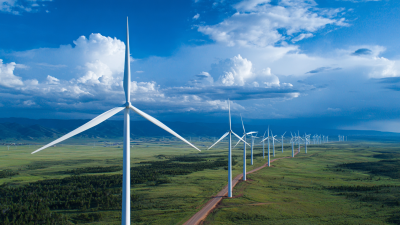
Wind energy plays a pivotal role in reducing carbon emissions and supporting sustainability goals in the transition to renewable energy sources. As one of the most abundant and clean forms of energy, wind power harnesses natural airflow to generate electricity without producing harmful greenhouse gases. This significant reduction in carbon output not only helps combat climate change but also mitigates air pollution, leading to healthier ecosystems and communities.
Moreover, the scalability of wind energy systems, from small residential turbines to large offshore wind farms, makes it a versatile solution tailored to various energy needs. As technology advances, the efficiency and capacity of wind energy continue to improve, enabling greater contributions to national and global energy grids. By integrating wind energy into national policies and investment strategies, countries can accelerate their progress towards sustainability goals, ultimately creating a more resilient and environmentally friendly energy landscape.
Innovative Technologies Driving Bioenergy Growth and Their Contribution to Renewable Resources
 The future of renewable energy sources in sustainable development is being significantly shaped by innovative technologies in bioenergy. As the world seeks to reduce its carbon footprint, advancements in bioenergy systems have emerged, converting organic materials into clean energy sources. These technologies not only enhance energy production but also promote waste management by utilizing agricultural residues and other organic matter. The scalability of bioenergy projects makes them a viable option for both urban and rural areas, addressing localized energy needs while contributing to larger sustainability goals.
Tips for maximization: When considering bioenergy solutions, it's crucial to assess the availability of feedstocks in your region. Opt for technologies that can run on waste materials, thereby ensuring a more efficient processing cycle and a lower environmental impact. Additionally, engaging with local communities can foster collaborative efforts in establishing bioenergy projects that benefit both the economy and the environment.
Moreover, research in advanced biofuels is paving the way for more efficient energy conversion methods. These innovations are not just limited to conventional biogas or biodiesel; they extend to the development of second and third-generation biofuels, which utilize non-food biomass. This shift not only minimizes the competition for food resources but also maximizes the output from available organic materials, reinforcing bioenergy's role in the renewable landscape.
Hydropower's Potential for Sustainable Development: Assessing Current Capacity and Future Prospects
Hydropower plays a pivotal role in advancing sustainable development goals, leveraging its capacity to provide renewable energy while minimizing environmental impact. Currently, hydropower accounts for approximately 16% of the world's electricity generation, making it the largest source of renewable energy globally. According to the International Hydropower Association’s 2021 report, the global installed hydropower capacity reached about 1,450 GW, with significant potential for expansion, particularly in emerging markets where energy demand is surging.
Looking ahead, the potential of hydropower is promising, especially with advancements in technology and infrastructure. The World Energy Council estimates that sustainable hydropower could add an additional 1,000 GW of capacity by 2040, varying from conventional large-scale plants to innovative small-scale and run-of-the-river projects. Furthermore, integrating hydropower with other renewable sources, such as wind and solar, enhances grid stability and energy efficiency, thereby supporting a resilient energy future. As nations strive to meet their climate goals, the advancement and investment in hydropower is crucial for achieving a balanced energy mix that prioritizes sustainability and environmental stewardship.
Evaluating the Economic Viability of Geothermal Energy in the Renewable Mix for 2030 and Beyond
As the global community shifts towards sustainable development, the focus on renewable energy sources has intensified. Among these, geothermal energy stands out as a promising and economically viable option for the future. According to the International Renewable Energy Agency (IRENA), geothermal energy capacity is expected to reach 28 gigawatts (GW) by 2030, illustrating its growing significance in the renewable energy mix. This projection highlights not only its potential contribution to reducing greenhouse gas emissions, but also its ability to provide baseload power, ensuring consistent energy supply.
Tips: When considering investing in geothermal energy, it's essential to evaluate the resource availability and site-specific conditions. Geothermal projects vary significantly based on geological characteristics; thus, a thorough feasibility study is crucial for success.
Moreover, the levelized cost of energy (LCOE) for geothermal power has dropped significantly, making it more competitive with traditional energy sources. A report from Lazard indicates that the LCOE for geothermal energy ranges between $40 to $60 per megawatt-hour (MWh), which is comparable to other renewables. This cost-effectiveness, combined with technological advancements, positions geothermal energy as a key player in achieving sustainability goals beyond 2030.
Tips: Collaboration with local governments and communities can enhance project development and foster public support, essential for successful geothermal initiatives.