Exploring the Future: Top 5 Sustainable Power Innovations to Watch in 2025
As we approach 2025, the global energy landscape is undergoing a transformative shift towards sustainable power innovations that promise to redefine how we generate, distribute, and consume energy. According to a recent report by the International Energy Agency (IEA), renewable energy sources are expected to account for nearly 80% of global electricity generation by 2030, underscoring the urgency and potential of advancements in sustainable power technologies. This evolution is not merely a response to climate change but also an economic opportunity, as the clean energy sector is projected to create over 24 million jobs worldwide by the same year.

In this context, several cutting-edge innovations are emerging as frontrunners that could significantly impact the sustainable power domain. From advancements in energy storage systems to the integration of AI-driven energy management, these technologies are designed to enhance efficiency, reduce costs, and enable the transition to a low-carbon economy. Industry experts indicate that investments in these sustainable power solutions are likely to exceed $500 billion annually, highlighting the increasing commitment of both private and public sectors to sustainable energy practices.
This article explores the top five sustainable power innovations to watch in 2025, emphasizing their potential benefits and implications for a more sustainable future. By harnessing these technologies, we are not only addressing the urgent need for cleaner energy but also paving the way for a resilient and economically viable energy ecosystem.
Emerging Trends in Solar Energy Technology for 2025
As we look toward 2025, the realm of solar energy is on the brink of transformative innovations that promise to redefine the energy landscape. One key trend is the advancement of bifacial solar panels, which capture sunlight from both sides, significantly enhancing energy production. These panels not only improve efficiency but also offer a longer lifespan, making them an increasingly attractive option for both large-scale solar farms and residential installations. The shift toward bifacial technology indicates an industry that values both sustainability and performance.

Another exciting development is the integration of solar energy with energy storage systems. Innovations in battery technology are allowing solar energy to be stored more effectively and used during peak demand periods, smoothening out the intermittent nature of solar power generation. This synergy between solar and storage can lead to more reliable and resilient energy systems, empowering consumers and reducing reliance on fossil fuels. As 2025 approaches, these advancements in solar technology will play a crucial role in the transition to a greener, more sustainable future.
Revolutionizing Wind Power: Innovative Turbine Designs to Watch
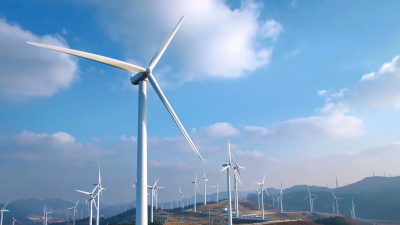
As we look towards 2025, the wind power industry is on the brink of a revolution, driven by innovative turbine designs that promise to enhance efficiency and sustainability. According to a report by the Global Wind Energy Council, the global wind power capacity is expected to exceed 1,100 GW by 2025, showcasing the critical role of advanced turbine technology in meeting increasing energy demands while reducing carbon emissions. Innovations such as vertical-axis wind turbines (VAWTs) and bladeless designs are emerging as game changers. VAWTs, for instance, can capture wind from any direction and offer a smaller footprint, making them ideal for urban installations.
Tips: When considering investing in wind energy, keep an eye on emerging technologies such as hybrid turbine systems that integrate solar panels. These systems not only maximize energy production but also enhance the resilience of renewable installations against fluctuations in wind patterns.
Furthermore, the design of offshore wind turbines is evolving dramatically, with larger rotor diameters and taller towers that can harness the stronger winds at sea. The International Energy Agency reports that offshore wind capacity could contribute up to 20% of global electricity by 2040. As these technologies advance, they can significantly lower the cost of energy production and improve the overall grid stability, making wind an increasingly viable option for a sustainable energy future.
Tips: For businesses looking to implement wind energy solutions, consider partnering with local energy experts to explore site assessments that ensure optimal turbine placement and efficiency.
Harnessing Geothermal Energy: The Next Big Leap in Sustainability
Harnessing geothermal energy is poised to be a game-changer in the pursuit of sustainable power. Studies indicate that geothermal resources have the potential to provide approximately 10% of the total U.S. electricity generation by 2050, as outlined in the "Geothermal Vision for the Future" report by the U.S. Department of Energy. This renewable energy source harnesses the Earth's internal heat, offering a constant and reliable supply of energy that is not dependent on weather patterns, unlike solar or wind power.
The technological advancements in geothermal energy, such as enhanced geothermal systems (EGS), are set to expand the viability of geothermal plants to areas previously deemed unsuitable. According to a report from the National Renewable Energy Laboratory, EGS could significantly increase the accessible geothermal resource base, potentially exceeding 500 gigawatts of electricity generation capacity by 2035. This transformation in energy sourcing not only promises to reduce greenhouse gas emissions but also supports energy security and job creation in related sectors.
Tips: If you’re exploring ways to invest in sustainable technology, consider geothermal projects. They provide long-term returns and contribute significantly to reducing carbon footprints. Additionally, homeowners can look into geothermal heat pumps, which utilize the stable temperature of the Earth for efficient heating and cooling, ultimately reducing energy costs.
Advances in Energy Storage Solutions: Batteries of the Future
As we look toward the future of energy, the evolution of energy storage solutions is poised to play a crucial role in the transition to sustainable power. Among the most exciting innovations in this field are advancements in battery technology. In 2025, we can expect to see significant improvements in lithium-sulfur and solid-state batteries, which promise higher energy densities and longer lifespans compared to traditional lithium-ion batteries. These next-generation batteries are not only more efficient but also have the potential to reduce environmental impact through their use of more abundant and less toxic materials.
Another breakthrough likely to emerge is the integration of artificial intelligence and machine learning in battery management systems. By using predictive analytics, these systems can optimize battery performance and extend their operational life. Additionally, innovations in recycling technologies will enable the recovery of valuable materials from spent batteries, further enhancing sustainability in the energy sector. As we harness these advancements, the future of energy storage will become increasingly reliable, cost-effective, and environmentally friendly, paving the way for a sustainable energy landscape.
Exploring the Future: Top 5 Sustainable Power Innovations to Watch in 2025
| Innovation |
Description |
Expected Impact |
Year of Advancement |
| Solid-State Batteries |
Batteries utilizing solid electrolytes to enhance safety and energy density. |
Higher capacity and longer lifespan compared to liquid electrolytes. |
2025 |
| Graphene Batteries |
Batteries that incorporate graphene to improve conductivity and charge times. |
Faster charging and greater energy retention. |
2025 |
| Flow Batteries |
Rechargeable batteries that store energy in liquid electrolytes. |
Scalable energy storage solutions for grid applications. |
2025 |
| Lithium-Sulfur Batteries |
Batteries using sulfur as a cathode material, promising higher energy density. |
Potential to double the energy density compared to current lithium-ion batteries. |
2025 |
| Recyclable Batteries |
Batteries designed to be easily recycled, reducing environmental impact. |
Decreased waste and improved resource recovery for battery production. |
2025 |
The Role of Smart Grids in Enhancing Renewable Energy Efficiency
Smart grids are revolutionizing the way we manage and distribute renewable energy, significantly enhancing efficiency and reliability. According to a report by the International Energy Agency (IEA), implementing smart grid technology could improve energy efficiency by up to 30% by 2025. This transformative capability allows for real-time monitoring and management of energy flows, which is crucial as we integrate more renewable sources like wind and solar into our grids. Furthermore, smart grids facilitate better demand response, helping to balance supply and demand more effectively.
To maximize the benefits of smart grids, it's vital for consumers and businesses to engage in energy-saving practices. For instance, installing smart meters can provide users with detailed insights into their energy consumption, enabling them to adjust usage patterns proactively. Regular energy audits can also identify inefficiencies and suggest improvements, ultimately saving on costs while supporting a greener future.
As we move towards 2025, the role of smart grids will only intensify. Reports from the U.S. Department of Energy indicate that investment in smart grid technologies is expected to reach $100 billion by 2023. This investment is not just about infrastructure; it’s about empowering consumers with tools to manage their energy use better, paving the way for a more sustainable and reliable energy ecosystem.