Why Green Energy is Essential for a Sustainable Future and How You Can Contribute
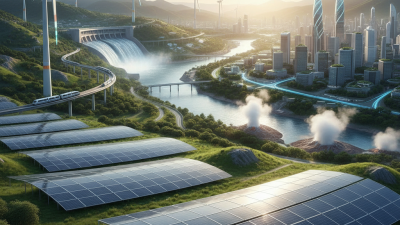
In today's rapidly changing world, the shift towards green energy has become not just an option but a necessity for ensuring a sustainable future. According to the International Energy Agency, renewable energy sources could account for as much as 80% of the global electricity supply by 2050 if policies are enacted effectively. This transition is vital in combating climate change, reducing greenhouse gas emissions, and preserving the environment for future generations.
As renewable energy expert Dr. Maria Wong emphasizes, "The future of our planet relies on our ability to harness and implement green energy solutions wisely and effectively.” Her insights highlight the critical importance of investing in sustainable technologies that not only create jobs but also stimulate economic growth while protecting our natural resources.
Individuals can play a crucial role in this transition by advocating for green energy initiatives and adopting sustainable practices in their daily lives. From supporting local renewable energy projects to making conscious choices about energy consumption and transportation, each action contributes significantly to a larger movement toward a cleaner, more sustainable planet. Embracing green energy is a collective responsibility and an opportunity we must seize to ensure a thriving environment for generations to come.
Understanding the Importance of Green Energy for Sustainable Development
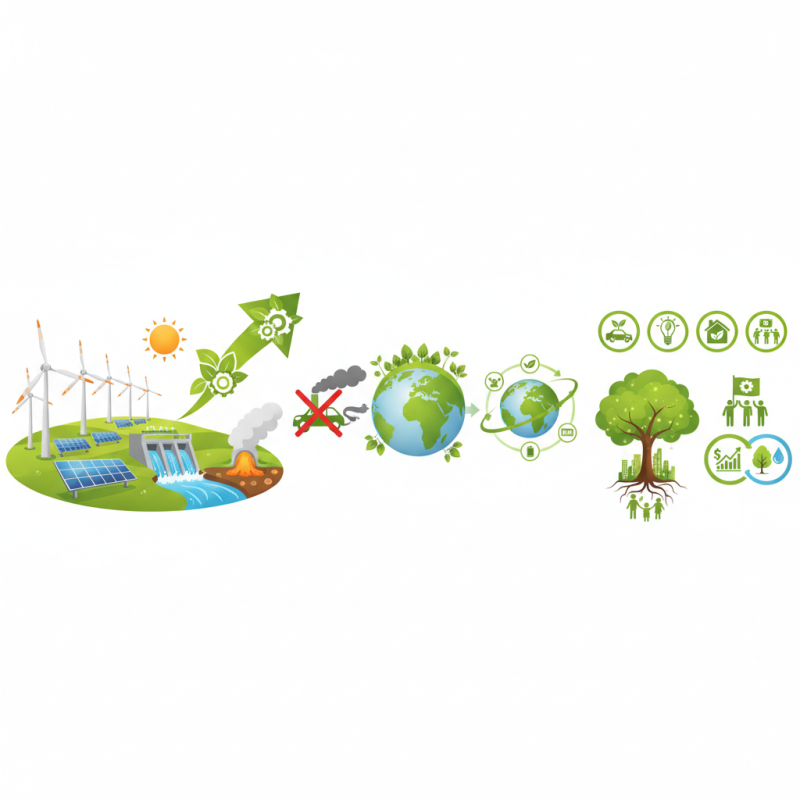
Green energy plays a pivotal role in sustainable development, providing a cleaner alternative to fossil fuels that significantly reduces greenhouse gas emissions and mitigates climate change. This transition is vital for preserving our ecosystems and ensuring that future generations inherit a world capable of sustaining life. By harnessing renewable resources such as solar, wind, and hydro power, we can create a more resilient energy infrastructure that not only meets current demands but also safeguards resources for the future.
The importance of green energy extends beyond environmental benefits; it also fosters economic growth and job creation. As the demand for renewable technologies surges, new industries and job opportunities arise, from manufacturing solar panels to installing wind turbines. Additionally, communities can benefit from decreased energy costs and increased energy independence, leading to enhanced stability and prosperity. Individuals can contribute to this movement by supporting policies that promote green energy initiatives, investing in renewable energy sources for their homes, and advocating for sustainable practices in their communities. Collectively, these actions help build a sustainable future rooted in responsible energy consumption and equitable resource distribution.
The Environmental Impact of Traditional Energy Sources: A Comparison
Traditional energy sources, such as coal, oil, and natural gas, have long been the backbone of industrial progress, providing the power necessary for economic growth. However, their environmental impact is profound and far-reaching. The burning of fossil fuels releases vast amounts of carbon dioxide and other greenhouse gases, contributing significantly to climate change, which poses a major threat to the planet's ecosystems. Additionally, the extraction processes for these energy sources often result in habitat destruction and water pollution, further exacerbating the environmental crisis.
In contrast, renewable energy sources, such as solar, wind, and hydropower, offer a cleaner alternative that can mitigate these damaging effects. They produce little to no greenhouse gas emissions during operation and generally have a much smaller ecological footprint. As society pushes towards a sustainable future, understanding and reducing the negative impacts of traditional energy sources is crucial for protecting our environment. By transitioning to greener technologies and advocating for policies that promote renewable energy, we can collectively work towards a healthier planet and a more sustainable way of living.
Why Green Energy is Essential for a Sustainable Future and How You Can Contribute
| Energy Source |
CO2 Emissions (g/kWh) |
Renewability |
Environmental Impact |
Contribution to Climate Change |
| Coal |
820 |
Non-renewable |
High |
Significant |
| Natural Gas |
450 |
Non-renewable |
Moderate |
Moderate |
| Oil |
730 |
Non-renewable |
High |
Significant |
| Wind Energy |
11 |
Renewable |
Low |
Minimal |
| Solar Energy |
40 |
Renewable |
Very Low |
Minimal |
| Hydropower |
30 |
Renewable |
Low to Moderate |
Low |
Key Technologies in Green Energy: Solar, Wind, and Beyond
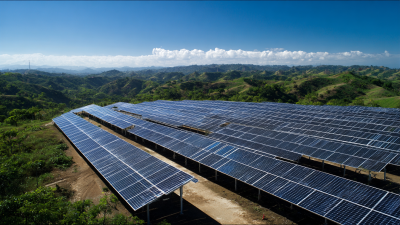
The transition to green energy is pivotal in addressing climate change and fostering a sustainable planet. Among the key technologies powering this movement are solar and wind energy, both of which harness natural resources to produce clean electricity. Solar energy systems, using photovoltaic cells, convert sunlight directly into electricity, making use of an abundant, renewable source. As advancements in technology drive down the costs of solar panels, their adoption is becoming more widespread, enabling both households and businesses to reduce their carbon footprints.
Wind energy also plays a crucial role in achieving a green future. Wind turbines, strategically placed in open areas, capture the kinetic energy of the wind and convert it into usable power. As wind farms become increasingly efficient and more prevalent across various landscapes, the contribution of wind energy to the global grid is set to rise significantly. Beyond solar and wind, innovative technologies such as geothermal and hydroelectric power further diversify the options available for sustainable energy generation. By investing in these green technologies and incorporating them into daily life, individuals can actively participate in the transition towards a cleaner, more sustainable future.
Practical Steps Individuals Can Take to Support Green Energy Initiatives
Transitioning to green energy is a collective effort that individuals can support through practical actions. One of the most impactful steps anyone can take is to reduce energy consumption in their daily lives. Simple changes, such as using energy-efficient appliances, turning off lights when not in use, and opting for public transportation or biking instead of driving, can significantly lower one’s carbon footprint. Additionally, individuals can invest in renewable energy sources, such as solar panels for their homes, which not only contribute to a greener environment but can also save on energy bills in the long run.
Incorporating sustainable practices into everyday life extends beyond personal energy use. Individuals can advocate for green energy initiatives by participating in community programs, supporting policies that promote renewable energy development, and engaging in local clean-up efforts. By educating themselves and others about the benefits of green energy, individuals can help foster a culture of sustainability. Furthermore, supporting local businesses that prioritize sustainability and participating in renewable energy campaigns amplifies community efforts toward achieving a more sustainable future. Every action, no matter how small, contributes to a larger movement toward environmental responsibility.
Green Energy Sources and Their Contribution to Total Energy Production (2023)
The Future of Green Energy: Trends and Innovations Shaping Sustainability
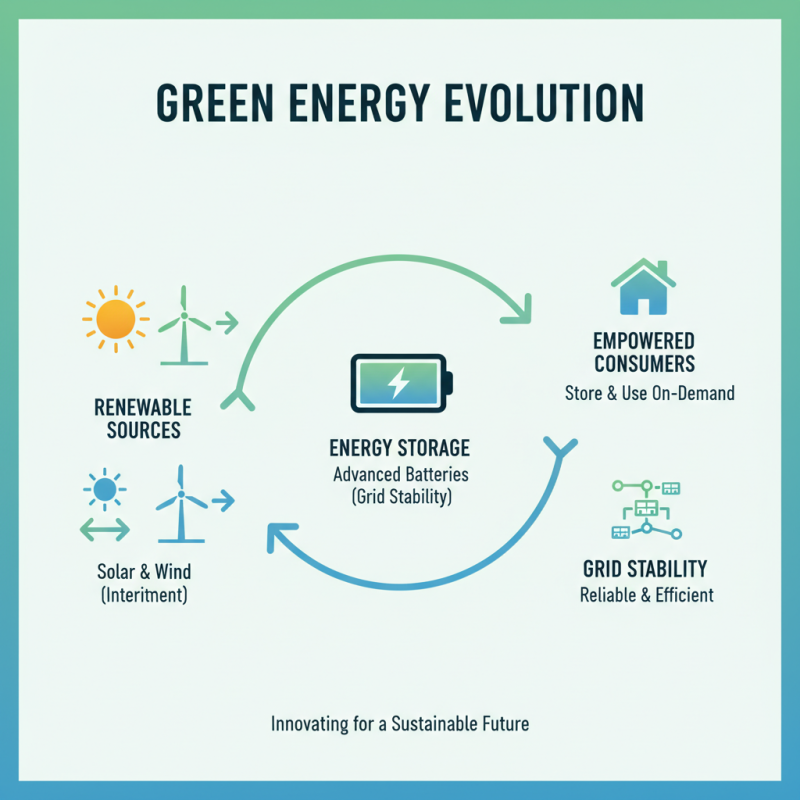
The landscape of green energy is rapidly evolving, driven by innovative technologies and a growing commitment to sustainability. One significant trend is the rise of energy storage solutions, such as advanced batteries, which are essential for managing the intermittent nature of renewable energy sources like solar and wind. These innovations not only enhance grid stability but also empower consumers to harness and store energy for later use, making renewable energy more accessible and efficient.
Moreover, the integration of smart grid technologies is transforming how energy is distributed and consumed. By utilizing real-time data and automation, these systems optimize energy flow, reduce waste, and promote the use of clean energy sources. As governments and organizations increasingly invest in green infrastructure, emerging concepts like microgrids and community solar projects are becoming more prevalent, enabling local energy production and consumption. This shift not only supports sustainability but also fosters resilience in energy systems, paving the way for a more sustainable future for all.