What is Green Power? Understanding Its Benefits and Impact on the Environment
The world is increasingly turning to sustainable energy sources as a response to climate change and environmental degradation. At the forefront of this movement is green power, which encompasses energy derived from renewable resources such as solar, wind, and hydropower. According to the International Renewable Energy Agency (IRENA), global renewable energy capacity reached 2,799 gigawatts by the end of 2020, marking a significant increase from previous years. This surge in green power usage is crucial not only for reducing greenhouse gas emissions but also for fostering energy independence and creating jobs in new sectors.
As we delve deeper into the advantages and implications of green power, industry expert and sustainability advocate Dr. Emily Carter emphasizes the importance of this transition: "Harnessing green power is not merely a choice for today; it's an imperative for the future of our planet." With green power technologies continually evolving, their implementation can lead to substantial economic savings, improved air quality, and enhanced public health outcomes. By understanding the benefits and impact of green power, we are better equipped to advocate for policies that support its expansion and to adopt practices that contribute to a more sustainable future.
Definition of Green Power and Its Sources
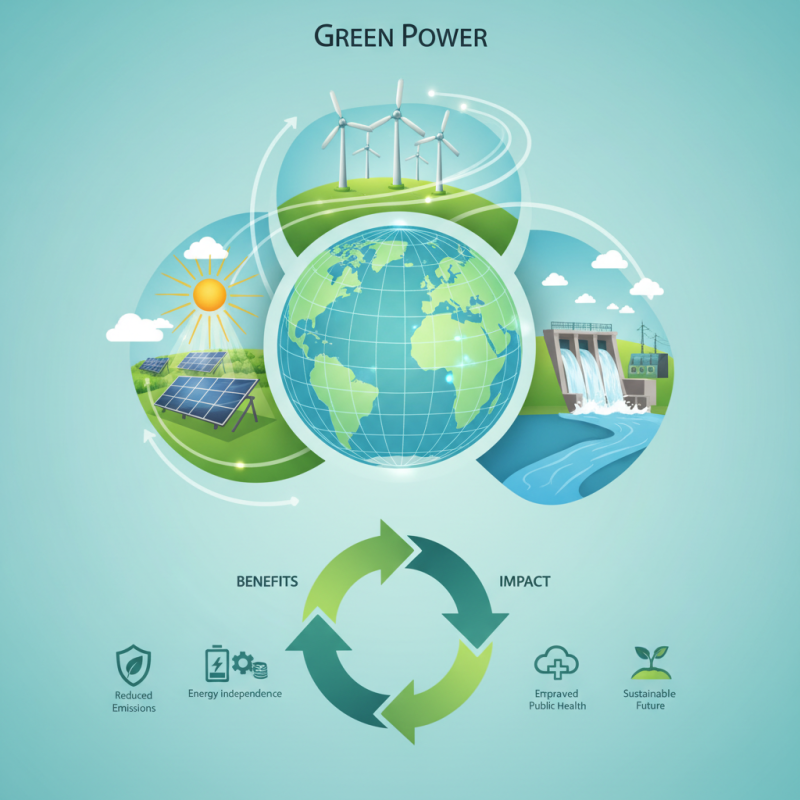
Green power refers to energy generated from renewable and sustainable sources that have minimal impact on the environment. This energy can be derived from sources such as solar, wind, hydroelectric, and geothermal power. According to the U.S. Department of Energy, renewable energy sources accounted for about 20% of total electricity generation in the United States in 2020, with wind and solar energy being the fastest-growing segments. These sources not only reduce greenhouse gas emissions but also help decrease pollution and conserve natural resources.
The benefits of utilizing green power extend beyond environmental protection. Transitioning to renewable energy sources can lead to significant economic advantages. A report from the International Renewable Energy Agency highlights that renewable energy jobs worldwide reached 11.5 million in 2019, reflecting a growing sector that promises to expand as more organizations and governments commit to sustainability initiatives. Furthermore, harnessing green power contributes to energy security and price stability, as it relies less on imported fossil fuels that can fluctuate in price due to geopolitical tensions and market dynamics. As advancements in technology continue to drive down the costs of renewable energy, the transition towards green power is becoming increasingly accessible and beneficial for communities and economies alike.
The Role of Renewable Energy in Green Power
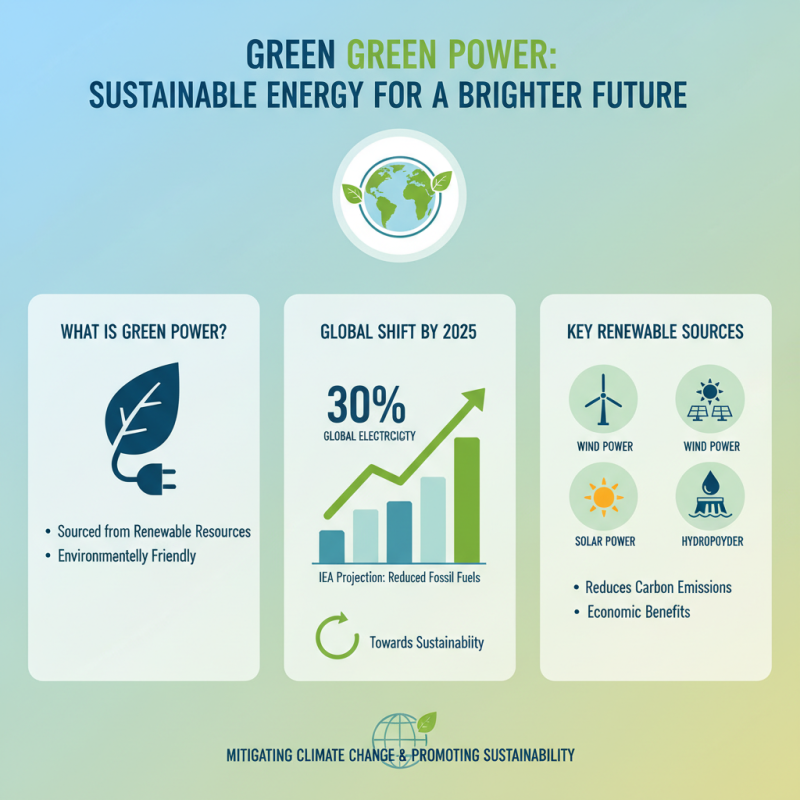
Renewable energy plays a crucial role in the concept of green power, which refers to energy sourced from renewable, environmentally friendly resources. According to the International Energy Agency (IEA), renewable energy will account for nearly 30% of global electricity generation by 2025, significantly reducing reliance on fossil fuels. The shift towards green power is crucial in mitigating the effects of climate change and promoting sustainability. Wind, solar, and hydropower are the leading contributors to this renewable energy mix, demonstrating immense potential not only in reducing carbon emissions but also in generating long-term economic benefits.
The use of renewable energy sources in green power has led to measurable impacts on carbon footprints and air quality. Research from the Environmental Protection Agency (EPA) indicates that transitioning to renewable energy could reduce greenhouse gas emissions by up to 70% by 2050 compared to a scenario that continues heavy fossil fuel reliance. Moreover, investments in renewable infrastructures have created millions of jobs globally; a report by the International Renewable Energy Agency (IRENA) estimates that the renewable energy sector employed 11.5 million people worldwide in 2018, with continued growth projected. This transition to sustainable power not only fosters a healthier environment but also stimulates economic growth and energy security in the long run.
Environmental Benefits of Using Green Power
Green power refers to electricity generated from renewable resources such as solar, wind, geothermal, and hydroelectric sources, which provide significant environmental benefits compared to traditional fossil fuels. One of the primary advantages of using green power is its potential to drastically reduce greenhouse gas emissions. According to the U.S. Environmental Protection Agency (EPA), the use of renewable energy sources can reduce carbon dioxide emissions by an estimated 3.6 billion metric tons annually, which is equivalent to taking 760 million cars off the road.
Moreover, green power contributes to improving air quality and reducing pollution. The World Health Organization (WHO) reports that air pollution is responsible for approximately 7 million deaths worldwide each year. By shifting to renewable energy, we can minimize the release of harmful pollutants such as sulfur dioxide and particulate matter, promoting better health outcomes for communities. Additionally, the National Renewable Energy Laboratory (NREL) estimates that every megawatt-hour of wind energy produced can displace about 1,580 pounds of carbon dioxide, highlighting the significant positive impact green power has on the environment.
Utilizing green power also plays a crucial role in conserving water. Traditional energy sources, particularly fossil fuels, require significant amounts of water for extraction and processing. By contrast, many renewable energy technologies, such as solar and wind, have minimal water usage, thereby mitigating the strain on local water resources. The U.S. Department of Energy indicates that transitioning to renewable energy could save up to 40 trillion gallons of water per year by 2050, further emphasizing the importance of adopting green power solutions for a sustainable future.
Environmental Benefits of Using Green Power
Economic Impact and Cost-Effectiveness of Green Power
The economic impact of green power is significant as it stimulates job creation and fosters innovation within the renewable energy sector. Investments in renewable energy technologies lead to the development of new industries and the expansion of existing ones. This transition not only supports traditional energy jobs through retraining but also opens up avenues for highly skilled positions in engineering, manufacturing, and environmental sciences. Moreover, local economies benefit from decreased reliance on imported fossil fuels, as green power harnesses local resources, keeping energy expenditures within the community.
Cost-effectiveness is a crucial aspect of green power, making it an attractive option for consumers and businesses alike. Over the years, the cost of renewable energy sources such as solar and wind has plummeted, often making them competitive with or cheaper than fossil fuels. This decline in prices, combined with technological advancements, has made it feasible for more organizations to invest in green power solutions. Additionally, the long-term savings associated with renewable energy, including reduced operational and maintenance costs, can result in substantial financial benefits, leading to a sustainable economic model that promotes environmental responsibility while enhancing fiscal resilience.
What is Green Power? Understanding Its Benefits and Impact on the Environment - Economic Impact and Cost-Effectiveness of Green Power
| Dimension |
Description |
Example Data |
| Energy Sources |
Renewable energy sources that contribute to green power |
Wind, Solar, Hydropower, Biomass |
| Environmental Benefits |
Positive impacts on reducing carbon emissions and pollution |
Up to 80% reduction in greenhouse gas emissions |
| Economic Benefits |
Job creation and economic stimulation in green sectors |
1.5 million jobs in renewable energy (2022) |
| Cost-Effectiveness |
Comparative cost of green power vs. traditional power sources |
Average cost of solar energy dropped to $30 per MWh |
| Community Impact |
Effects of green power projects on local communities |
Increased local investment and quality of life improvements |
| Future Projections |
Expected growth in green power adoption over the next decade |
Projected 50% of global energy from renewables by 2030 |
Challenges and Future Prospects for Green Power Adoption
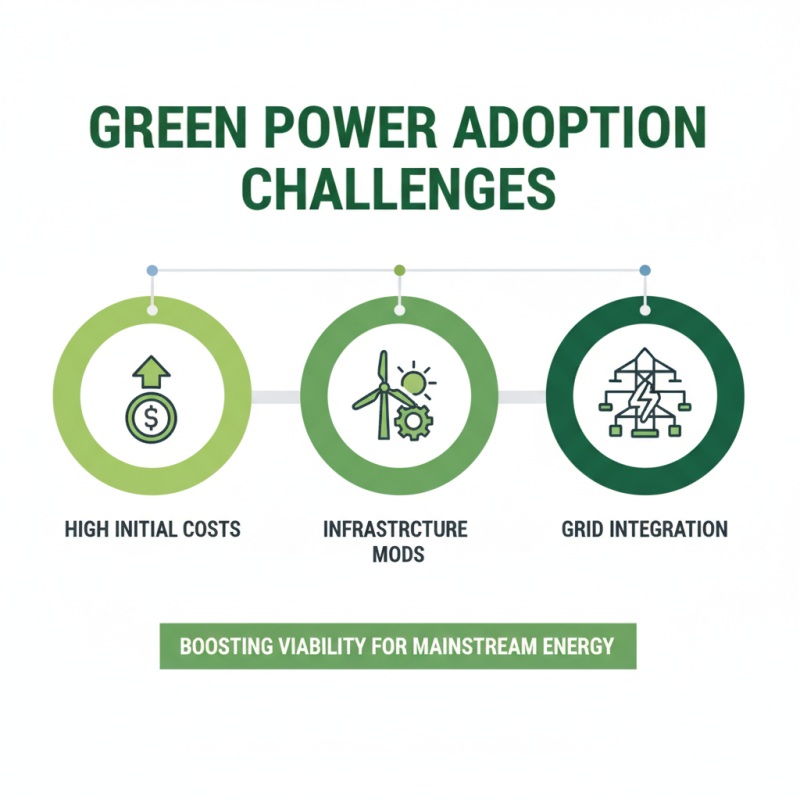
The adoption of green power faces several challenges that must be addressed to enhance its viability as a mainstream energy option. One significant barrier is the high initial costs associated with renewable energy technologies. Although operational costs are often lower over time, the upfront capital required for setting up solar panels, wind turbines, or biomass facilities can deter investors and businesses. Additionally, integrating these renewable sources into existing energy grids requires substantial infrastructure modifications, which can also be costly and time-consuming.
Another challenge lies in the intermittent nature of certain renewable energy sources, such as solar and wind. Their dependency on weather conditions can lead to fluctuations in power supply, creating reliability concerns for consumers and businesses. To mitigate this issue, advancements in energy storage technologies and smart grid solutions are essential. Furthermore, public perception and awareness of green energy are still developing. Education campaigns targeted at informing the public about the benefits and availability of green power can help increase acceptance and promote adoption. Overcoming these challenges will be crucial in realizing the broader vision of a sustainable energy future.