Why Is Green Power Essential for a Sustainable Future?
The quest for a sustainable future hinges on the implementation of green power. Experts, like Dr. Emily Johnson, highlight its significance. She stated, “Green power is not just an option; it’s a necessity for our planet's survival.” The urgency for renewable energy sources grows daily. Climate change impacts are visible worldwide. Our reliance on fossil fuels poses severe risks.
Green power offers viable solutions. Solar and wind energies can transform our energy systems. They provide cleaner, sustainable alternatives to traditional energy sources. Implementing these technologies is crucial for reducing carbon emissions. Many communities have made strides, yet challenges remain. Investment and commitment to green power lag behind needs.
Moreover, public awareness of green power is essential. Individuals can play roles in promoting energy efficiency. Each small action can contribute to a larger movement. However, navigating government policies and economic structures proves difficult. A shift toward green power requires collective effort and awareness. Society must face uncomfortable truths about its habits and choices.
The Importance of Green Power in Reducing Carbon Emissions
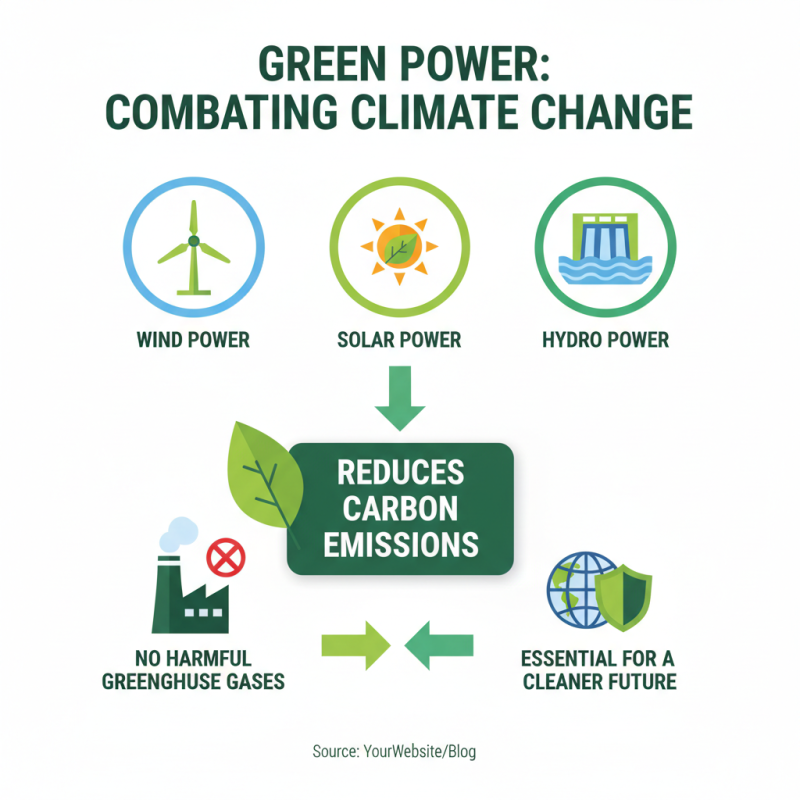
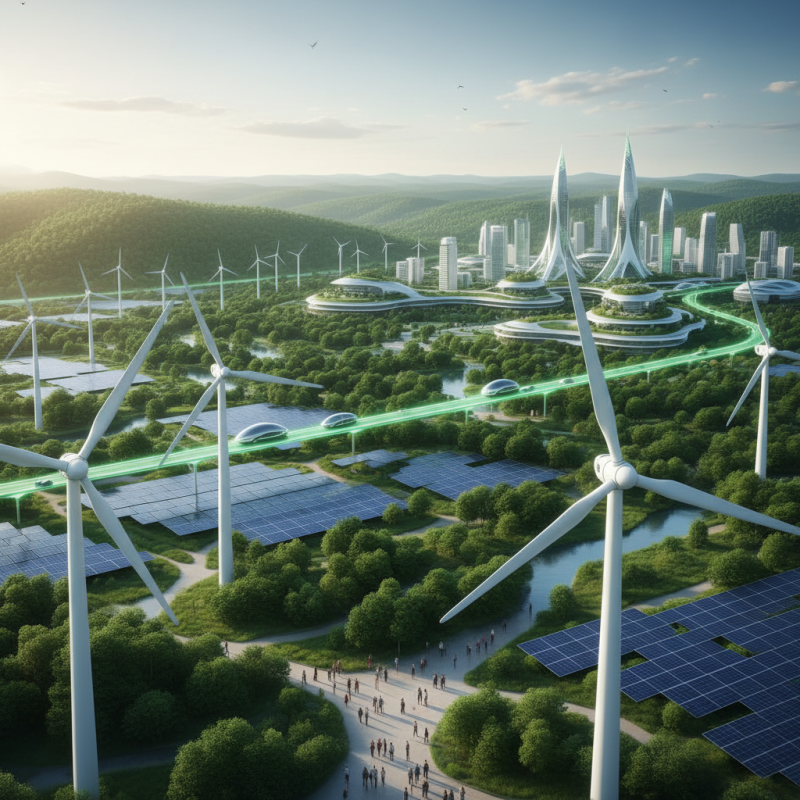
Green power plays a crucial role in reducing carbon emissions. This energy source includes wind, solar, and hydroelectric power. Unlike fossil fuels, green power does not release harmful greenhouse gases. Transitioning to these clean sources is essential for combatting climate change.
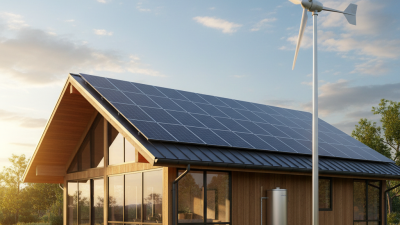
Many individuals can contribute to this effort. Simple changes can make a big difference. For instance, consider installing solar panels at home. Even small solar-powered devices can reduce reliance on traditional power sources.
Another tip: use energy-efficient appliances. They consume less power and can save money. Also, promote green power in your community. Advocate for local renewable energy projects. Communities that come together can develop a strong green power network, decreasing overall emissions. However, it's important to acknowledge the challenges. Transitioning to green power may require upfront investments and willingness to adapt. This journey can be tough, but every step counts in building a sustainable future.
Global Renewable Energy Trends and Their Economic Impact
The global push for renewable energy is transforming economies. Countries are investing heavily in green technologies and infrastructure. This shift not only addresses climate change but also drives job creation. Wind, solar, and hydro are leading the charge in energy production. Many nations are seeing a significant increase in green energy jobs. However, the transition is not without challenges.
In some regions, the infrastructure is outdated. There is a need for grid upgrades to accommodate new energy sources. The initial cost of renewable projects can be high. Yet, the long-term savings on energy bills and health benefits are undeniable. Communities must be willing to embrace change and invest in their futures.
Tip: Engaging with local initiatives can make a difference. Encourage your community to support renewable projects. Attending workshops and discussions fosters awareness. Learning about energy efficiency can inspire individual actions. Small steps contribute to larger goals.
Technological Innovations Driving the Green Power Revolution
Technological innovations are reshaping the green power landscape.
Solar panels are smaller and more efficient than ever. Wind turbines are now designed with lighter materials. These advances make renewable energy more accessible. Yet, implementation remains a challenge for many regions.
Consider solar energy. New battery technologies store energy for use during peak demand. This innovation can change how we view sustainable energy. However, infrastructure issues persist. Many areas still lack proper support systems. This limits the potential of new technologies.
Tips: Always look for local incentives for renewable energy projects. They can help offset initial costs. Engaging with community programs may also provide additional resources. Awareness plays a crucial role in driving change.
Comparative Analysis of Green Power vs. Non-Renewable Energy Sources
The energy landscape is changing rapidly. Green power offers a cleaner alternative to non-renewable sources. Solar, wind, and hydroelectric power are gaining attention. Unlike fossil fuels, these renewable options produce little to no emissions. This shift is crucial for reducing greenhouse gases and combating climate change.
However, reliance on non-renewable sources remains high. Coal and natural gas still power many regions. Transitioning to green power requires investment and commitment. The technology is evolving, but challenges persist. Storage solutions for solar and wind energy are still developing. Many people question the feasibility of completely relying on renewables.
While green energy holds great promise, it isn't a perfect solution yet. Intermittency issues can disrupt supply. Infrastructure needs upgrading to accommodate renewables. Education and awareness about sustainable choices are crucial. Society must reflect on its energy consumption habits. Making small changes can lead to significant impacts. It’s a complex journey, but every step counts.
Comparison of Green Power vs. Non-Renewable Energy Sources
This chart illustrates the energy output in terawatt-hours (TWh) from various green power sources such as solar, wind, and hydro in comparison to non-renewable energy sources like natural gas and coal. The visual representation highlights the potential of renewable energy in contributing to a sustainable energy future.
Policy Frameworks Supporting the Transition to Sustainable Energy Systems
Transitioning to sustainable energy systems is essential for reducing greenhouse gas emissions. The International Energy Agency (IEA) reports that energy-related carbon dioxide emissions must drop by nearly 70% by 2050 to limit global warming. Policymakers play a crucial role in this transition. Effective policy frameworks can guide investments in renewable energy sources. These policies also foster research and innovation.
Countries like Denmark and Germany have set ambitious renewable energy targets. For instance, Denmark aims for 100% renewable energy by 2050. Such goals highlight the importance of government commitment. Clear regulations can encourage private investment in green technologies. However, challenges remain. Some regions still depend heavily on fossil fuels. These dependencies hinder progress and require careful management.
In addition, financial barriers often slow down the transition. A recent report from the World Bank indicates that developing nations face funding shortages. This can delay their shift to sustainable energy systems. Policymakers must identify effective financing mechanisms. Collaborative efforts are necessary to tackle these issues. Addressing market barriers is crucial for achieving a sustainable energy future.