Why Green Power is Essential for a Sustainable Future and How It Benefits You
In an era marked by unprecedented climate challenges, the transition to green power emerges as a crucial pillar for fostering a sustainable future. As Dr. Thomas Williams, a leading expert in renewable energy, aptly states, "Embracing green power is not just an environmental necessity; it's a pathway to sustainable economic growth and energy independence." This sentiment underscores the urgency of shifting our energy paradigms to harness sources such as solar, wind, and hydroelectric power. By doing so, individuals and communities alike can reap the diverse benefits that green power offers.
The growing reliance on renewable energy sources not only helps combat the dire effects of climate change but also serves to enhance energy security and job creation within local economies. Transitioning to green power can significantly reduce carbon emissions, leading to cleaner air and a healthier environment. Furthermore, investing in renewable technologies displaces fossil fuels, contributing to a more resilient energy grid. As awareness of these benefits increases, more people begin to recognize how their choices impact the planet’s future and their quality of life.
Ultimately, the commitment to green power signifies not just a change in energy sources but a vital step towards collective environmental stewardship. Individuals have the power to effect significant positive change by supporting green initiatives and advocating for policies that promote sustainable energy practices. The path to a sustainable future is illuminated by green power, and embracing it holds the promise of economic, environmental, and social benefits for generations to come.
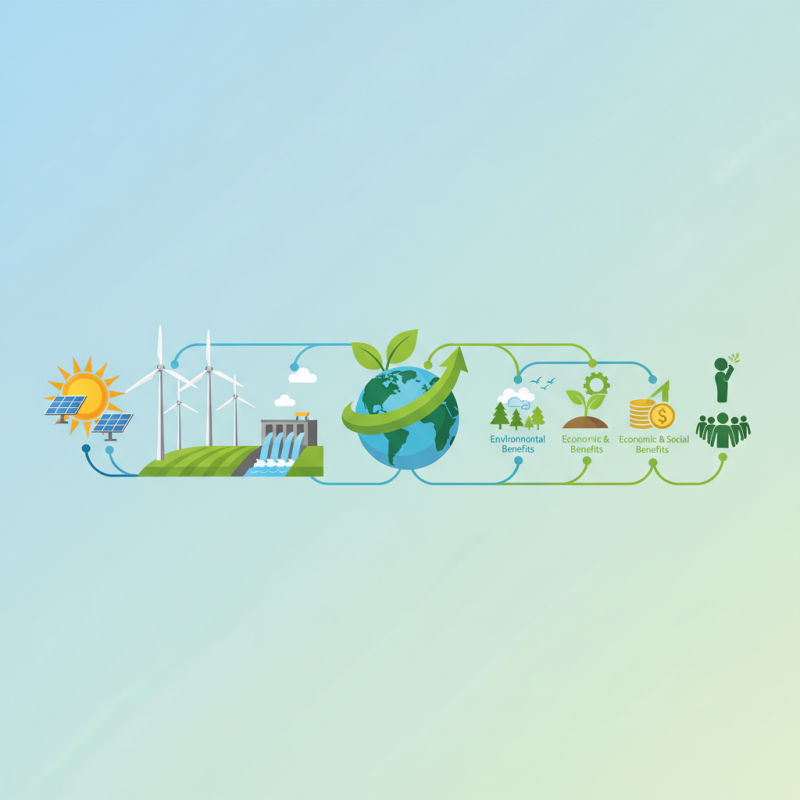
The Importance of Green Power in Addressing Climate Change
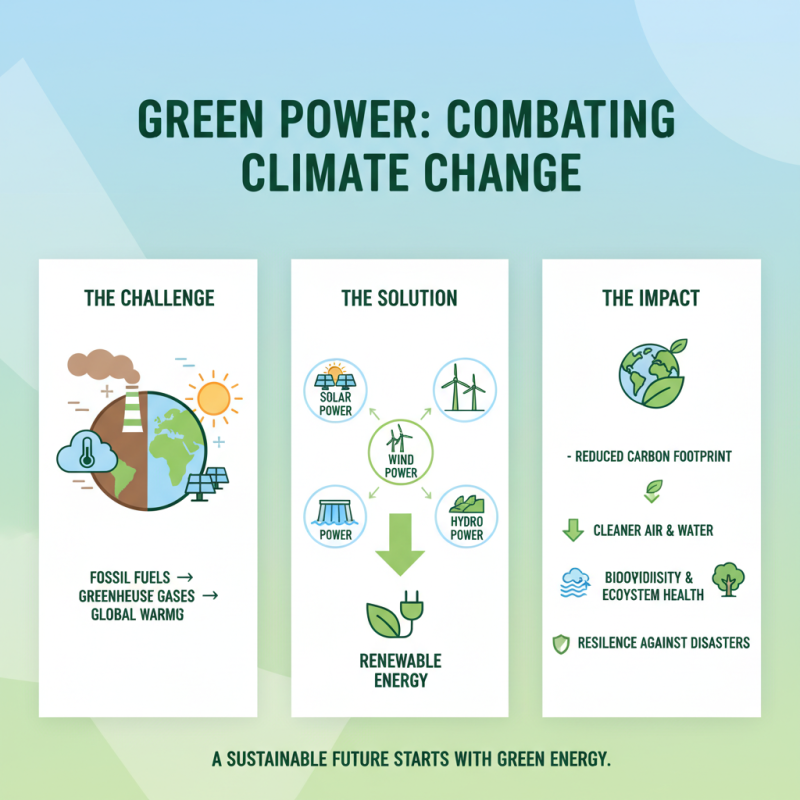
Green power plays a critical role in addressing climate change, which has become one of the most pressing issues of our time. The transition from fossil fuels to renewable energy sources, such as solar, wind, and hydroelectric power, reduces greenhouse gas emissions that contribute to global warming. By harnessing these sustainable energy sources, we can significantly lower the carbon footprint of electricity generation, paving the way for a cleaner, healthier environment. This shift not only mitigates the impact of climate change but also promotes biodiversity and ecosystem health, fostering resilience against natural disasters.
Moreover, embracing green power enhances energy security and can lead to economic benefits. As renewable technologies advance, they become more cost-effective and accessible, creating job opportunities in manufacturing, installation, and maintenance sectors. Local communities can thrive by generating their own energy, reducing reliance on imported fuels, and contributing to the local economy. Additionally, utilizing green power can shield consumers from the volatility of fossil fuel markets, providing stable energy prices and fostering sustainable growth. By prioritizing renewable energy, we take a crucial step toward a sustainable future while protecting our planet for generations to come.
Economic Benefits of Adopting Renewable Energy Solutions
The shift toward renewable energy sources is not just a step toward environmental sustainability; it also presents lucrative economic opportunities. According to a report by the International Renewable Energy Agency (IRENA), the global renewable energy sector has already created millions of jobs, with an estimate of 11.5 million people working in renewables worldwide by 2018. This number is projected to grow significantly as governments and businesses increasingly invest in green energy solutions. The solar and wind industries, in particular, are forecasted to drive job growth, with the wind sector potentially generating 3.3 million jobs by 2030 alone.
Transitioning to renewable energy also presents substantial cost-saving benefits. A study from Lazard indicates that the cost of solar photovoltaics has dropped by about 89% since 2009, while onshore wind prices have fallen by 70% in the same period. These decreasing costs make renewables not only a more environmentally friendly choice but also an economically viable one. Further, the U.S. Department of Energy reported that the levelized cost of electricity from renewables has already reached parity with fossil fuel sources in many regions, allowing consumers and businesses to save on energy bills while supporting a clean energy future. Investing in renewables can thus enhance energy independence and resilience, ultimately bolstering economic stability and growth.
Health and Environmental Advantages of Green Power
Green power plays a crucial role in promoting health and protecting the environment. Utilizing renewable energy sources, such as solar, wind, and hydroelectric power, reduces reliance on fossil fuels, which are major contributors to air and water pollution. By decreasing harmful emissions, green power fosters cleaner air, leading to lower respiratory issues and various health problems associated with pollution. Additionally, transitioning to these sustainable energy sources mitigates climate change, which poses significant health risks like heat-related illnesses and an increase in vector-borne diseases.
The environmental advantages of green power extend beyond individual health benefits. Renewable energy systems generally require less water for operation compared to conventional fossil fuel plants, reducing the strain on local water resources. This water conservation is critical, particularly in regions facing droughts. Moreover, green power initiatives often lead to increased biodiversity as they create less disruption to ecosystems. By harnessing the energy from nature rather than depleting it, we preserve the habitats of various species, ensuring a healthier planet for future generations.
Innovative Technologies Driving the Green Energy Revolution
Innovative technologies are at the forefront of the green energy revolution, transforming how we generate and consume power. Advancements in solar, wind, and hydropower technologies have significantly improved efficiency and reduced costs, making renewable energy sources more accessible than ever. For instance, solar panels have evolved with more efficient photovoltaic cells, allowing for increased energy capture even in less-than-ideal weather conditions. Wind turbines have also seen substantial technological upgrades, including taller designs that capture stronger winds and enhance energy output.
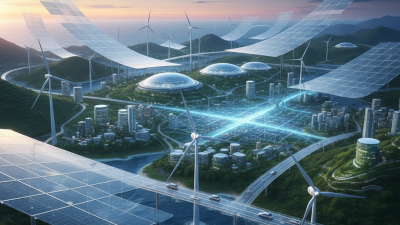
In addition to harnessing natural resources, innovative technologies such as energy storage systems and smart grid solutions are revolutionizing how we manage energy. Battery storage technology enables us to store excess power generated during peak production times, ensuring a continuous energy supply even when generation is low. Meanwhile, smart grids utilize advanced monitoring and analytics to optimize energy distribution, reduce waste, and improve overall energy efficiency. These technologies not only support the transition to a greener future but also empower consumers to take control of their energy usage, ultimately leading to cost savings and a more sustainable lifestyle.
Why Green Power is Essential for a Sustainable Future and How It Benefits You
| Dimension |
Benefits |
Innovative Technologies |
| Cost Savings |
Lower energy bills from renewable sources |
Solar Panels |
| Environmental Impact |
Reduction in carbon footprints |
Wind Turbines |
| Energy Independence |
Reduced reliance on fossil fuels |
Energy Storage Systems |
| Job Creation |
New jobs in green technology sectors |
Biomass Energy Systems |
| Health Benefits |
Improved air quality and public health |
Geothermal Energy |
How Individuals Can Contribute to a Sustainable Energy Future
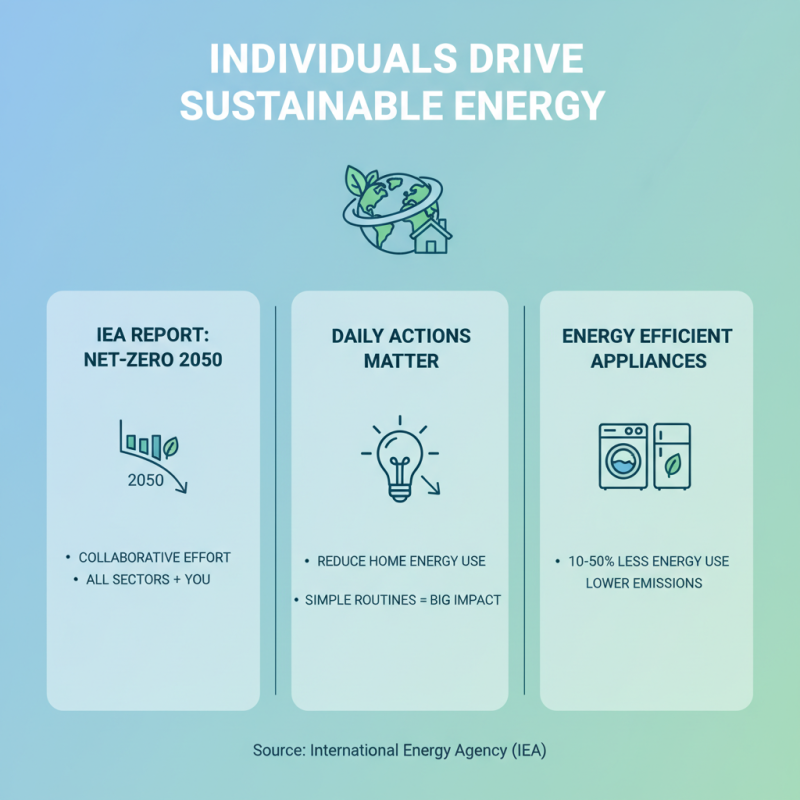
Individuals play a crucial role in the transition towards a sustainable energy future. According to a report from the International Energy Agency (IEA), achieving net-zero emissions by 2050 will require a collaborative effort from all sectors, including dedicated individual actions. Simple changes in daily routines, such as reducing energy consumption at home, can significantly impact overall energy demand. For instance, using energy-efficient appliances can lower household energy use by 10-50%, directly contributing to reduced greenhouse gas emissions.
Furthermore, shifting to renewable energy sources on a personal level can greatly enhance sustainability. A recent study by the Renewable Energy Policy Network for the 21st Century (REN21) indicates that if 25% of households globally adopted rooftop solar systems, it could lead to a potential decrease of up to 1.8 gigatons in carbon dioxide emissions annually. Beyond installation, individuals can support clean energy initiatives by advocating for policies that promote renewables and participating in community solar programs. Each of these actions not only fosters a greener planet but also helps individuals save on energy costs in the long run, creating a beneficial cycle of sustainability and financial savings.