Why is Green Power Essential for a Sustainable Future?

Green power represents a critical shift in how we generate energy. It harnesses renewable sources such as wind, solar, and hydro. As global temperatures rise, dependence on fossil fuels becomes increasingly unsustainable. Transitioning to green power can reduce carbon emissions, improving air quality and public health.

Cities around the world are already embracing green power. Solar panels dot rooftops, and wind farms line coastlines. Communities see job creation in these growing sectors. However, challenges remain. Not all regions have equal access to renewable resources. Some areas struggle with outdated infrastructure.

The need for green power is urgent. It offers a path to reduce our ecological footprint. But acceptance and adaptation require effort. Policymakers must collaborate with local communities. Education about green technologies is crucial. Investing in green power is not just an option; it is a necessity. A sustainable future hinges on our commitment to this energy revolution.
Why is Green Power Essential for a Sustainable Future?

The Concept of Green Power and Its Importance

The concept of green power revolves around energy derived from renewable sources. This includes solar, wind, hydro, and biomass. These sources are crucial for reducing our carbon footprint. Each unit of green energy helps combat climate change. Transitioning to this type of power can significantly lower greenhouse gas emissions.

Using green power can also enhance energy security. By relying on local, renewable sources, communities become less dependent on fossil fuels. This shift supports local economies and creates jobs in the renewable sector. However, the transition may face challenges. Not all regions have equal access to renewable resources. Making green power accessible to everyone is imperative.

**Tip:** Explore local initiatives promoting green energy in your area. Participate in community programs that support sustainable practices.

Education and awareness about green power are vital. Many people still have misconceptions about its reliability and cost. Governments and organizations must work together to promote understanding. Increased knowledge can drive adoption and innovation in the green sector.

**Tip:** Stay informed about webinars and workshops. They provide opportunities to learn more about green technologies and practices.

Why is Green Power Essential for a Sustainable Future?

Aspect Details
Definition of Green Power Energy derived from renewable resources such as solar, wind, hydro, and geothermal.
Environmental Benefits Reduces greenhouse gas emissions and decreases air pollution, contributing to a healthier planet.
Economic Impact Creates job opportunities in the renewable energy sector and reduces dependency on fossil fuels.
Energy Security Diversifies energy supply and enhances national energy security by reducing reliance on imported fuels.
Technological Advancements Drives innovation in energy technologies, leading to more efficient renewable energy systems.
Social Impact Promotes community engagement and awareness around sustainable practices and environmental stewardship.
Future Outlook Increasing adoption of green power is essential for meeting global climate goals and achieving sustainability.

Key Sources of Green Power: Renewable Energy Options

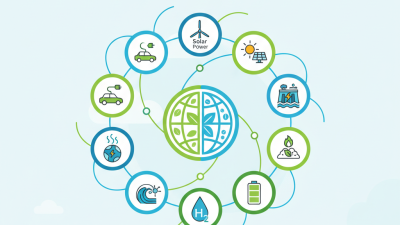
Green power plays a crucial role in our transition to a sustainable future. Key sources of green power include solar, wind, hydro, and geothermal energy. According to the International Renewable Energy Agency (IRENA), renewable power accounted for 29% of global electricity in 2020. This number is expected to grow rapidly. Solar energy alone is projected to contribute over 30% of global electricity by 2030.

Wind energy is also making significant strides. In 2021, wind power capacity reached 743 gigawatts worldwide, an increase of 93 gigawatts from the previous year. This growth reflects technological advancements and increasing investments. These sources provide alternative energy, reducing carbon emissions significantly. However, the variability of these sources poses challenges for energy reliability.

**Tip:** Start small. Even household solar panels can contribute to green energy. Consider local conditions when choosing renewable sources. Also, recognize that some communities struggle to access these options. It's essential to advocate for policies that ensure equitable energy distribution. Transitioning to green power is not just about technology; it's about inclusiveness and accessibility too.

Key Sources of Green Power

Environmental Benefits of Transitioning to Green Power

Transitioning to green power offers numerous environmental benefits. Renewable energy sources like wind and solar help reduce greenhouse gas emissions. These emissions are major contributors to climate change. By shifting to clean energy, we can lower air pollution. Cleaner air improves public health, benefiting ecosystems and communities alike.

Adopting green power also conserves natural resources. Fossil fuels are finite and harmful, releasing toxins into the environment. In contrast, renewables harness natural processes. Sunlight, wind, and water are abundant and sustainable. However, we must recognize the challenges. Implementing renewable energy can be costly initially. Infrastructure needs upgrades and public support varies widely.

Transitioning to green power demands collective action. Individuals, businesses, and governments must work together. It's not just about technology; it's about commitment. Progress might be slow, but every effort counts towards a healthier planet. Each step taken can lead to significant change, even if it isn’t perfect.

Economic Impacts of Adopting Green Energy Solutions

The shift to green energy has profound economic implications. Renewable energy solutions create jobs, stimulate local economies, and reduce energy costs in the long term. Each solar panel installed provides work opportunities. Wind farms require maintenance staff and engineers. This transition can support communities and drive growth.

Investing in green power can reduce dependence on fossil fuels. However, the initial costs can be daunting. Many individuals hesitate to invest in solar or wind solutions. They worry about system efficiency and return on investment. Politicians and businesses must recognize this barrier and address these concerns. Incentives and education are crucial for encouraging adoption.

Additionally, the economic impacts can differ based on location. Rural areas may benefit more from wind farms. Urban centers might lean towards solar energy. There is no one-size-fits-all solution. Socioeconomic factors play a significant role. Analyzing local resources and needs is vital. This ensures that green energy investments are both effective and sustainable.

Challenges and Solutions in Implementing Green Power Systems

Why is Green Power Essential for a Sustainable Future?

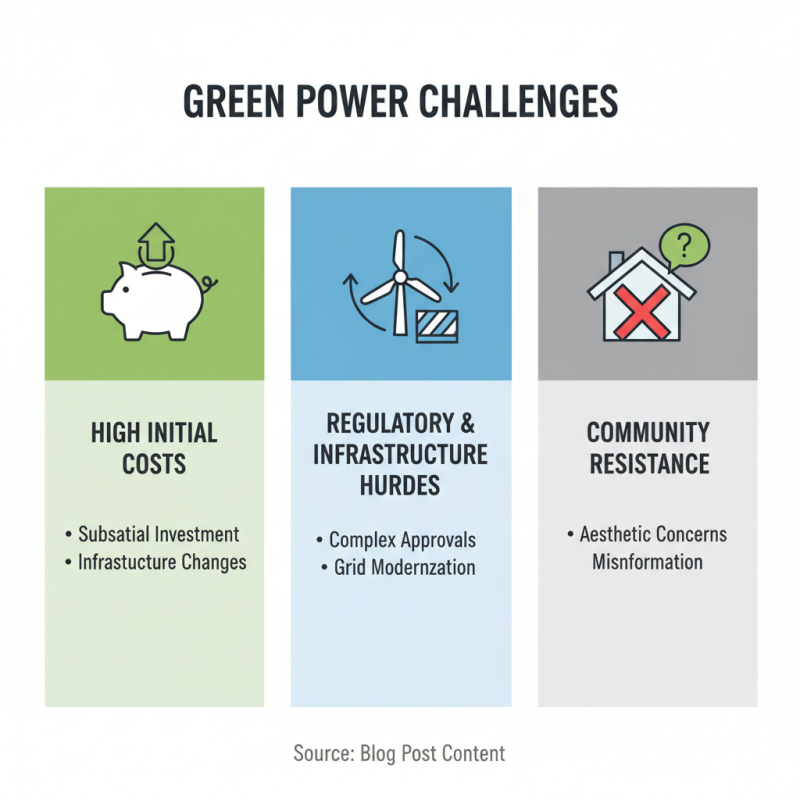
Implementing green power systems presents several challenges. The initial costs can be daunting. Many renewable energy sources require substantial investment. Transitioning to solar or wind energy often demands significant infrastructure changes. Regulatory hurdles may also hinder progress. Communities may resist new projects due to aesthetic concerns or misinformation.

Yet, there are solutions. Governments can offer incentives to lower initial costs. Public awareness campaigns can educate communities about benefits. Collaborations between private and public sectors can facilitate smoother transitions. Local initiatives may create trust and engage residents. Building small, community-focused projects can encourage acceptance.

Despite these efforts, the transition to green power is complex. Not all areas have equal access to renewable resources. Some regions still rely heavily on fossil fuels. This dependence creates a significant barrier. Continuous innovation is needed to overcome these obstacles. Acknowledging shortcomings and adapting strategies is crucial for success.