How to Harness Natural Power for Sustainable Energy Solutions
In recent years, the quest for sustainable energy solutions has gained unprecedented momentum, driven by the urgent need to address climate change and reduce reliance on fossil fuels. Harnessing natural power—derived from renewable sources such as solar, wind, and hydro—is at the forefront of this transition. Experts in the field, like Dr. Emily Carter, a leading authority on renewable energy technologies, emphasize the importance of leveraging these sustainable resources. She once stated, "The future of energy lies in our ability to harness the natural power that surrounds us; it is both an opportunity and an obligation."
As governments, businesses, and communities seek to create a more resilient and environmentally-friendly energy landscape, the integration of natural power solutions becomes paramount. These solutions not only promise to mitigate the effects of climate change but also offer significant economic benefits through job creation and energy independence. In this exploration, we will delve into the innovative methodologies and technologies that can be utilized to effectively tap into the abundant natural power available to us, ultimately paving the way for a cleaner and more sustainable future.
Understanding Natural Power Sources for Sustainable Energy
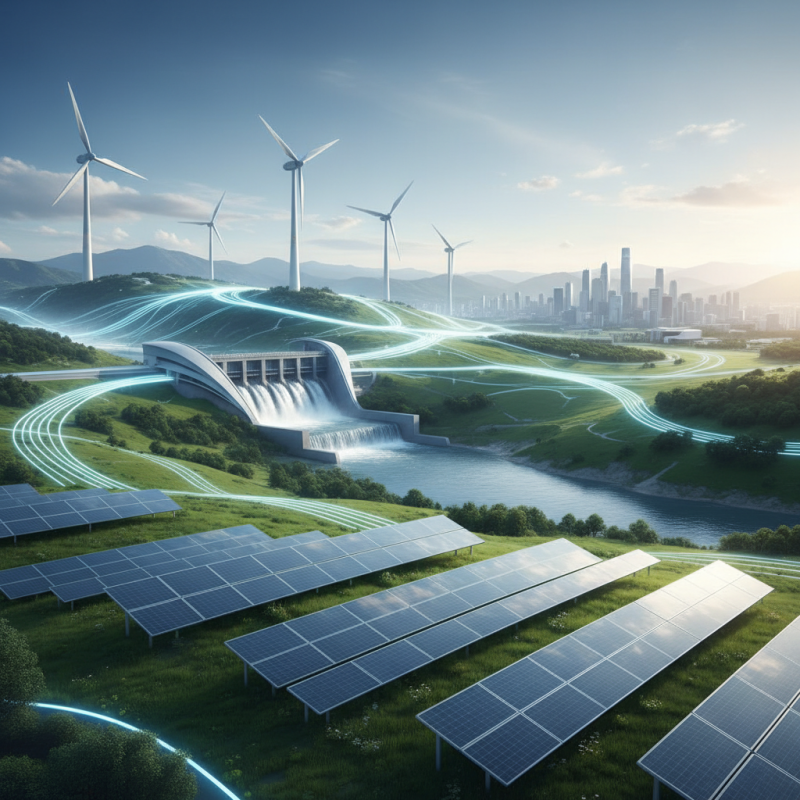
Natural power sources play a pivotal role in developing sustainable energy solutions. These sources, including solar, wind, hydro, and geothermal energy, harness the Earth's inherent capabilities to generate electricity and heat without depleting resources or harming the environment. For instance, solar energy captures sunlight using photovoltaic cells, while wind energy converts kinetic energy from wind into usable electricity through turbines. These technologies not only reduce reliance on fossil fuels but also mitigate greenhouse gas emissions, making them essential in the fight against climate change.
Understanding the potential of these natural power sources is crucial for fostering a sustainable future. By investing in research and development, communities can optimize the efficiency of these renewable technologies. Additionally, implementing decentralized energy systems allows regions to become energy self-sufficient, enhancing resilience while providing access to clean energy. As governments and organizations prioritize sustainability, the integration of natural power sources into our energy landscape will undoubtedly pave the way for a cleaner, greener planet, ensuring energy security for future generations.
How to Harness Natural Power for Sustainable Energy Solutions
| Natural Power Source |
Description |
Environmental Impact |
Efficiency (%) |
Best Use Case |
| Solar Power |
Energy harnessed from sunlight using photovoltaic cells. |
Low emissions, minimal water use. |
15-20% |
Residential and commercial power supply. |
| Wind Power |
Electricity generated from wind turbine technology. |
Very low emissions, impacts on bird populations. |
35-45% |
Large scale wind farms. |
| Hydropower |
Energy from the movement of water, typically in dams. |
Alters ecosystems, but very low emissions. |
30-50% |
Large scale electricity generation. |
| Geothermal Energy |
Utilization of heat from the Earth's interior for power and heating. |
Low emissions, potential to disrupt local geothermal systems. |
10-20% |
Heating and electricity in volcanic regions. |
| Biomass Energy |
Energy from organic materials, such as plant and animal waste. |
Emissions when combusted, renewable if managed sustainably. |
20-30% |
Energy production from waste materials. |
Types of Renewable Energy: Solar, Wind, Hydro, and Biomass
The transition to renewable energy is crucial for achieving sustainable solutions to meet our growing energy demands. Among the various types of renewable energy sources, solar energy stands out due to its vast potential and declining costs. According to the International Energy Agency (IEA), solar power could account for up to 22% of global electricity generation by 2040, representing a significant shift in the energy landscape. Innovations in photovoltaic technology and energy storage have increased efficiency and affordability, making solar energy more accessible to businesses and homeowners alike.
Wind energy is another key player in the renewable sector. The Global Wind Energy Council (GWEC) noted that global wind capacity reached over 743 GW in 2021, highlighting a 12% increase from the previous year. This growth is driven by both onshore and offshore projects, which have shown to be vital in reducing carbon emissions. Countries are investing heavily in wind farms as they leverage their natural landscapes to harness wind power efficiently.
Hydropower, which accounts for nearly 16% of the world’s electricity, remains the largest source of renewable energy. According to the United Nations, large and small hydro projects can provide crucial baseload power while also supporting grid stability. Furthermore, biomass energy offers an alternative path utilizing organic materials to produce electricity, heat, and biofuels. A report from the U.S. Department of Energy indicates that biomass has the potential to supply 14% of the nation's energy needs by 2030, reinforcing its significance in a diverse renewable energy portfolio.
Technological Advances in Harnessing Natural Energy
The quest for sustainable energy solutions has intensified with technological advances that enhance our ability to harness natural power. Innovations in solar energy have made photovoltaic cells more efficient, enabling better conversion of sunlight into electricity. These advancements are not only making solar panels more affordable and accessible but also optimizing their performance in various environmental conditions. The integration of smart grid technologies further allows for the efficient distribution and storage of solar energy, mitigating inconsistencies in availability and maximizing use.
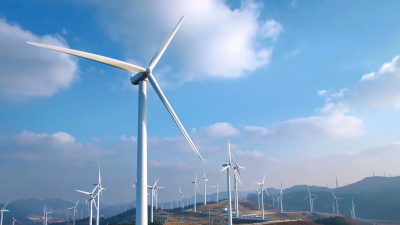
Similarly, breakthroughs in wind energy technology are transforming how we capture and utilize wind currents. Modern wind turbines are designed with aerodynamics in mind, increasing their energy output and durability. Additionally, offshore wind farms, made possible by advancements in marine technology, can harness the stronger and more consistent winds found over oceans. These developments not only reduce the reliance on fossil fuels but also contribute to energy diversification, ensuring a steadier supply of renewable energy. As research and development continue to push the boundaries of what’s possible, the path towards a sustainable energy future becomes increasingly viable.
Environmental Benefits of Utilizing Natural Power
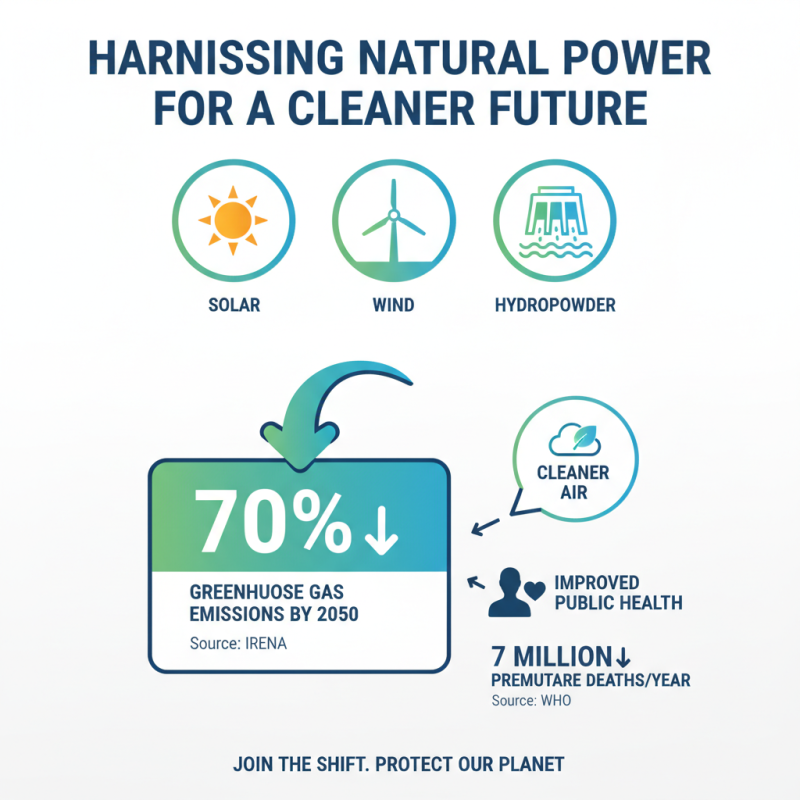
Harnessing natural power, such as solar, wind, and hydropower, offers substantial environmental benefits that are crucial in our fight against climate change. According to the International Renewable Energy Agency (IRENA), transitioning to renewable energy sources could lead to a reduction of greenhouse gas emissions by up to 70% by 2050. This shift not only decreases air pollution but also improves public health, with the World Health Organization (WHO) estimating that cleaner air could prevent around 7 million premature deaths each year globally.
Moreover, utilizing natural power contributes to biodiversity conservation and ecosystem resilience. The U.S. Department of Energy reports that transitioning to a grid powered by at least 50% renewables could save up to $100 billion annually in environmental and health-related costs. By mitigating climate impacts, renewable energy helps protect natural habitats and the species that depend on them. Additionally, integrating diverse energy sources enhances energy security and reliability, reducing our dependence on fossil fuels that threaten both the environment and economic stability.
Challenges and Solutions in Implementing Sustainable Energy Solutions
The transition to sustainable energy solutions is fraught with significant challenges, particularly in the areas of technology integration and investment. According to a report by the International Renewable Energy Agency (IRENA), nearly 90% of the world’s energy needs could be met with renewable sources by 2050. However, the initial costs of implementing renewable energy technologies remain a barrier for many regions. Financial constraints and a lack of governmental support can hinder the adoption of clean energy solutions, resulting in slower progress towards sustainability goals.
However, viable solutions do exist to overcome these challenges. Policies encouraging public-private partnerships can stimulate investment in renewable energy infrastructure. Additionally, increasing public awareness about the benefits of sustainable energy can drive consumer demand, pushing businesses to adapt and innovate. A study conducted by the World Bank suggested that every dollar invested in renewable technologies can lead to a reduction of up to $7 in health costs tied to air pollution, illustrating the economic advantages of green energy.
Tips for Success:
- Engage Stakeholders: Collaborate with local governments and organizations to foster a supportive framework for renewable projects.
- Invest in Education: Equip communities with knowledge about renewable energy benefits to ensure public buy-in.
- Explore Financing Options: Look into diverse funding opportunities and incentives offered by governments that can help mitigate initial costs.