10 Tips to Harness Power from Renewable Energy Sources
As the world seeks sustainable solutions, the demand for power renewable energy grows. Various sources, such as solar, wind, and hydro, offer a clean alternative to fossil fuels. Harnessing these energy sources can transform our lifestyles and economies.
Integrating renewable energy into daily life has its challenges. Individuals may struggle with the initial costs of solar panels or wind turbines. Governments often face policy hurdles that slow progress. Despite these obstacles, the potential benefits are significant. Renewable energy can reduce carbon footprints and create jobs.
Embracing renewable energy needs personal and collective commitment. Communities must educate themselves on available technologies. Individuals should explore local resources to maximize their impact. By working together, we can unlock the true power of renewable energy for future generations.
Understanding Renewable Energy Sources and Their Potential
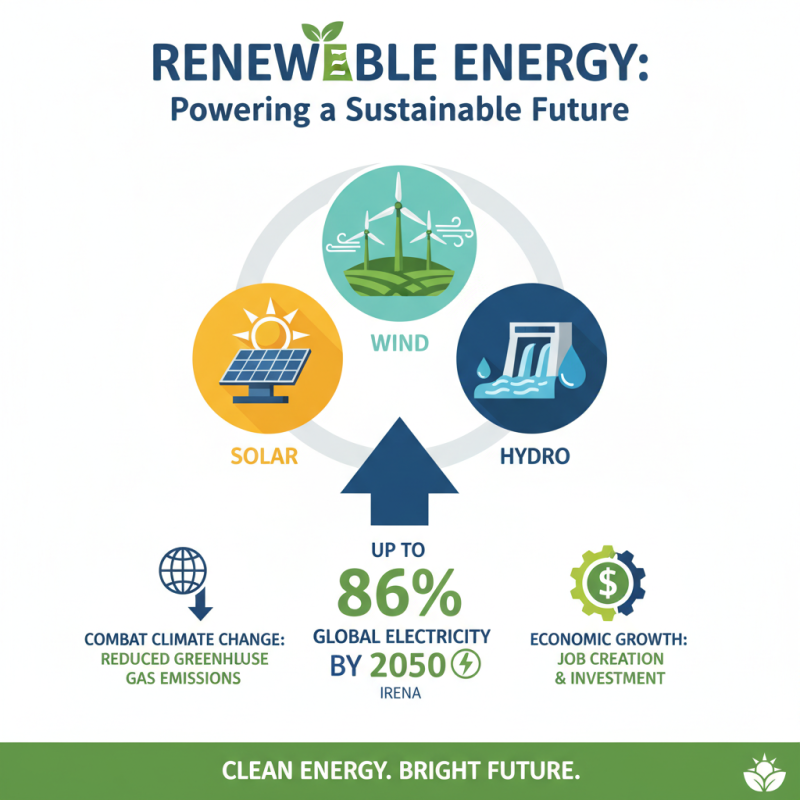
Renewable energy sources, such as solar, wind, and hydro, hold immense potential for a sustainable future. According to the International Renewable Energy Agency (IRENA), renewable energy could provide up to 86% of the world’s electricity by 2050. This shift can help reduce greenhouse gas emissions, putting us on a path to combat climate change. Investing in these technologies not only benefits the environment but also creates jobs and stimulates economic growth.
Tip: Assess your local renewable energy resources. Understand what is available in your area—be it solar panels or wind turbines. Tailoring solutions to local needs can increase efficiency and adoption rates.
Yet, misunderstandings persist about the reliability of these energy sources. Some worry that renewable energy cannot consistently meet demand. Data show that advancements in battery technology and grid systems are mitigating these concerns. For instance, a report from the National Renewable Energy Laboratory (NREL) notes that integrating diverse renewable sources can enhance grid stability.
Tip: Consider hybrid systems. Combining solar and wind, for example, can provide a more stable output. It is crucial to explore these options, even if they come with initial challenges and costs.
Identifying Key Renewable Energy Technologies for Power Generation
Renewable energy technologies have transformed the power generation landscape. Solar, wind, hydro, and geothermal energy stand out as key players. According to the International Renewable Energy Agency (IRENA), renewables accounted for 29% of global electricity generation in 2020. This figure is expected to rise as technology improves and costs decrease.
Solar energy is particularly notable. It has seen a dramatic cost reduction of about 89% since 2009. Such reductions make solar a competitive option for many regions. However, challenges remain. Energy storage technologies must advance to ensure reliability when the sun isn’t shining. Wind energy is another essential technology, with onshore wind farms generating power at competitive prices. But, locations for suitable wind farms can be limited, and some communities resist their development.
Hydro and geothermal offer stable and reliable energy but have geographical constraints. Not every region is suitable for hydroelectric dams or geothermal plants. This limitation often leads to underutilization in many areas. Despite the growth of these technologies, continued investment is needed in infrastructure and education. Bridging the gap between innovation and public acceptance remains a hurdle that requires careful consideration.
Practical Steps to Assess Renewable Energy Needs for Your Location
Assessing renewable energy needs for your location is crucial. Begin by evaluating your energy consumption patterns. Analyze your monthly electricity bill. Identify peak usage times and energy-heavy appliances. This data provides insight into your specific energy requirements.
Next, consider your geographical factors. Sunlight exposure matters for solar energy, while wind intensity is key for wind power. Conduct a site assessment to measure these elements. Local climate can also influence the efficiency of renewable systems. For instance, a sunny region may benefit more from solar panels than a consistently cloudy one.
Engage with your community to gather input on shared energy goals. Sometimes, thoughts may diverge. Not everyone may see the value in making changes. It’s vital to address these concerns. A collective approach can enhance the understanding of renewable energy benefits and pave the way for successful implementation. Each location has unique challenges and opportunities; recognizing them can make all the difference.
Strategies for Integrating Renewable Energy into Daily Life
Integrating renewable energy into daily life can be more accessible than it seems. Start by assessing your energy consumption. How much electricity do you use daily? A simple chart can help you track this. Consider solar panels for your home. They can reduce your electricity bill, but they may require considerable upfront costs and space.
Utilizing small renewable energy sources is another practical approach. For example, solar chargers can power small devices. Wind turbines can also be used in suitable locations. However, they might not be suitable for all homes. Assess your environment before investing.
Embracing energy-efficient habits is essential. Turn off lights when leaving a room. Use energy-saving appliances. These actions may seem minor, but they add up. Remember, shifting to renewable energy is a journey. It involves trial and error. There will be challenges, but adapting gradually makes a significant difference.
Renewable Energy Usage in Different Sectors
Maintaining and Upgrading Renewable Energy Systems for Efficiency
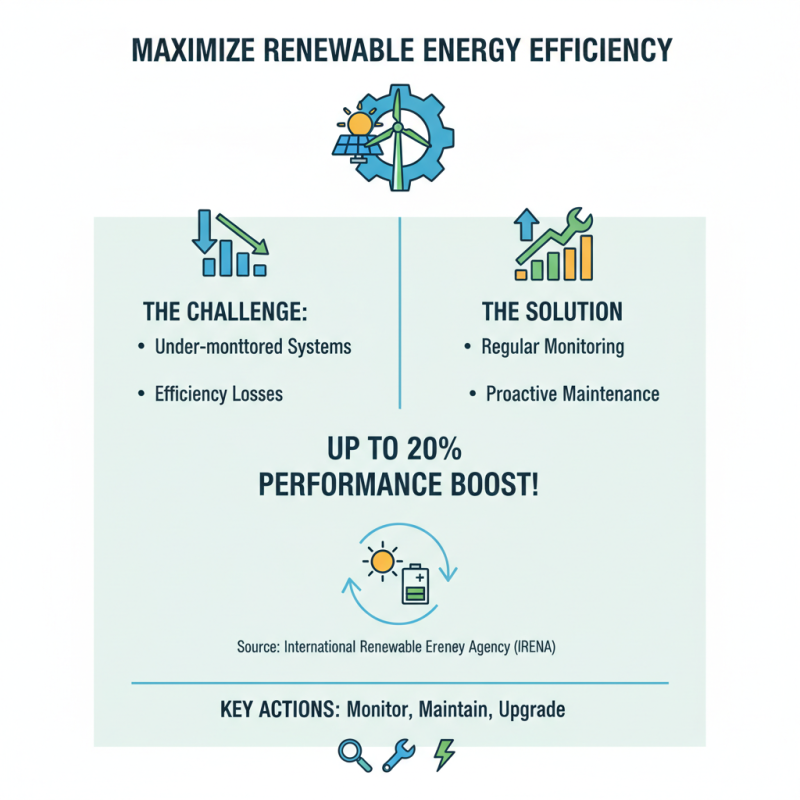
Maintaining and upgrading renewable energy systems is crucial for maximizing efficiency. Regular monitoring is essential. According to the International Renewable Energy Agency, maintenance can improve the performance of solar panels by up to 20%. This highlights the importance of routine checks. However, many systems are not consistently monitored, leading to efficiency losses.
Upgrading existing systems can also yield significant benefits. For instance, wind turbines can see efficiency spikes of 15% when equipped with modern technology. Yet, some operators hesitate to invest in these updates. This reluctance often results from cost concerns and uncertainty about potential returns. Integrating smart technology can address these issues. Predictive maintenance tools can optimize performance and reduce downtime significantly.
Neglecting upgrades can lead to increased operational costs. A recent report found that outdated solar inverters can underperform by as much as 25%. Regular assessment should be part of any operational plan. By investing in maintenance and upgrades, organizations can reap long-term benefits while addressing inefficiencies in their renewable systems. Each step toward optimization counts, but the path to improvement requires ongoing commitment and reflection.