How to Harness Power from Renewable Energy Sources in 2025
As we approach the year 2025, the urgency to transition from conventional energy sources to sustainable alternatives has never been more critical. Harnessing power from renewable energy not only addresses the looming threat of climate change but also paves the way for a more resilient and sustainable economy. In this context, the integration of renewable energy sources such as solar, wind, hydro, and biomass into our energy systems becomes imperative. The challenges and opportunities presented by these energy sources will shape our approach towards energy consumption and generation.
To effectively harness the power of renewable energy, it is essential to innovate and adopt technologies that enhance energy efficiency and storage capabilities. Policy frameworks and government incentives play a vital role in facilitating this transition, encouraging investments in clean energy infrastructure. Furthermore, awareness and education about the benefits of renewable energy can empower communities and individuals to adopt more sustainable practices. As we navigate through the landscape of energy in 2025, our ability to embrace renewable energy solutions will determine not only our environmental footprint but also the economic health and energy security of future generations.

Understanding Renewable Energy Sources Available in 2025
In 2025, harnessing power from renewable energy sources has become a pivotal focus for individuals and businesses seeking sustainable solutions. The landscape of renewable energy includes various sources such as solar, wind, hydroelectric, geothermal, and biomass. According to the International Energy Agency (IEA), renewable energy sources are expected to account for nearly 50% of the global electricity generation by 2025, highlighting a monumental shift towards cleaner energy alternatives.
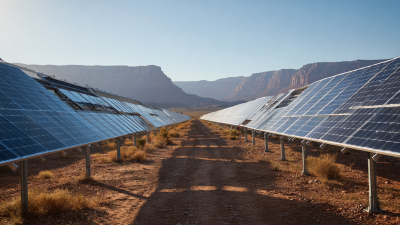
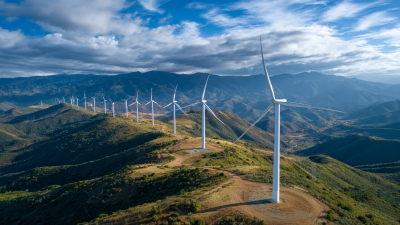
Solar energy remains one of the most promising sources in 2025, with advancements in photovoltaic technology leading to increased efficiency and reduced costs. Reports indicate that the average cost of solar photovoltaic power has fallen by 82% since 2010, making it a more accessible option for residential and commercial use. Wind energy also continues to grow, with offshore wind capacity expected to triple, driven by investments aimed at enhancing turbine technology and increasing installation capabilities.
**Tip:** For those looking to invest in renewable energy, consider opting for community solar programs available in your area. They allow individuals to benefit from solar energy without needing to install solar panels on their property, providing a lower-entry barrier for accessing renewable power.
Additionally, hydroelectric energy is critical in various regions, providing a steady supply of electricity while contributing to flood control and irrigation. However, it’s essential to consider the ecological impact of large hydro projects and prioritize run-of-the-river designs that can minimize adverse environmental effects.
**Tip:** When evaluating renewable energy options, perform a thorough energy audit of your current usage. This helps identify potential savings and the best fit for integrating renewable solutions, ensuring efficient and sustainable energy consumption in your daily life.
Current Market Trends and Projections for Renewable Energy Growth
The renewable energy market is witnessing unprecedented growth, driven by advancements in technology and an increasing commitment to sustainability. According to the International Renewable Energy Agency (IRENA), global renewable energy capacity reached 3,064 GW in 2020, marking a 10.3% increase from the previous year. Projections indicate that by 2025, this capacity could soar to over 4,000 GW, fueled by significant investments and governmental policies aimed at reducing carbon emissions. The wind and solar sectors will likely lead this expansion, with the Solar Energy Industries Association (SEIA) forecasting that the solar market will add 100 GW of new capacity in the U.S. alone in the next five years.
Market trends indicate a shift toward decentralized energy systems, where consumers, communities, and businesses harness renewable sources to meet their energy needs. A report by the Global Renewable Energy Policy Network revealed that distributed energy resources could account for more than 50% of electricity generation globally by 2025. This transition not only empowers individual stakeholders but also optimizes energy efficiency and reduces transmission losses. Additionally, with the increasing affordability of renewables—solar PV and wind energy have seen cost reductions of over 80% since 2010—more countries are expected to invest heavily in these technologies. The focus on integrating renewable energy into national grids will also enhance energy security and resilience, aligning with global climate goals.
Technological Innovations Enhancing Renewable Energy Efficiency
The transition to renewable energy sources has been significantly bolstered by a series of technological innovations designed to enhance efficiency.
According to the International Renewable Energy Agency (IRENA), advancements in solar photovoltaic (PV) technology have led to a reduction in the cost of solar power by 82% since 2010. This remarkable decrease is attributed to improved solar cell efficiency, which now exceeds 25% for commercially available products.
Enhanced tracking systems and the integration of artificial intelligence in energy management are also playing crucial roles in optimizing energy capture and distribution, further maximizing the output from renewable sources.
Wind energy technology has similarly evolved, with the U.S. Department of Energy reporting an increase in the average capacity of onshore wind turbines from 1.5 MW in 2008 to over 2.5 MW in 2020.
This increase not only improves the energy yield but also allows for better integration with existing grids. In addition, innovations such as floating wind farms are opening up new offshore opportunities, enabling access to previously untapped wind resources.
Collectively, these advancements are shaping a more sustainable energy landscape, with renewable energy projected to account for nearly 50% of global electricity generation by 2025, as noted by a report from BloombergNEF.
Policy Frameworks Supporting Renewable Energy Adoption in 2025
In 2025, the advancement of renewable energy adoption will rely significantly on robust policy frameworks that support its implementation. Governments around the globe are increasingly recognizing the importance of ambitious energy policies that can foster sustainable development. A recent report from the International Renewable Energy Agency (IRENA) indicates that countries with comprehensive policy frameworks have seen a notable increase in renewable energy investment, with a potential to increase installed capacity by 60% by 2025. This underscores the need for clear incentives, such as tax breaks and subsidies, to encourage both private and public sector investment in renewable technologies.
Furthermore, the integration of renewable energy into existing energy systems demands supportive regulatory environments. Policies that streamline the permitting process for renewable infrastructure and enhance grid flexibility are essential for accommodating the growing influx of green energy sources. The Global Renewable Energy Policy Network has shown that nations adopting such measures can transition to higher percentages of renewable energy in their energy mix—up to 40% by 2025 in some regions—ultimately reducing dependence on fossil fuels and lowering greenhouse gas emissions. As the momentum for renewable energy continues to build, ensuring that effective policy frameworks are in place will be crucial for harnessing its full potential.
Integrating Renewable Energy into Existing Power Grids Efficiently
To efficiently integrate renewable energy into existing power grids, a multifaceted approach is essential. Firstly, upgrading current grid infrastructure is crucial to handle the variability and intermittency of renewable sources like solar and wind. Smart grid technologies can facilitate real-time data management, allowing for better balancing of supply and demand. This means that grid operators can quickly respond to fluctuations in energy production, optimizing the use of renewable energy and reducing reliance on fossil fuels.
Tips for successful integration include investing in energy storage solutions. Batteries and other storage technologies can capture excess energy generated during peak production times, releasing it when demand is high. This not only stabilizes the grid but also ensures that renewable energy can be utilized effectively. Additionally, diversifying the energy mix by incorporating various renewable sources can lead to a more resilient and efficient grid. Combining solar, wind, hydro, and geothermal energy minimizes the impact of variability from any single source.
Collaboration among stakeholders, including utilities, government agencies, and the community, is vital. Engaging in policy development and public education initiatives can foster a more supportive environment for renewable energy integration. Furthermore, creating incentives for businesses and homeowners to adopt renewable technologies can increase overall energy efficiency and contribute to a sustainable energy future. By prioritizing these strategies, we can pave the way for a smooth transition to a greener power grid.
How to Harness Power from Renewable Energy Sources in 2025 - Integrating Renewable Energy into Existing Power Grids Efficiently
| Renewable Energy Source |
Integration Method |
Expected Efficiency (%) |
Projected Capacity (MW) |
Carbon Emission Reduction (tons/year) |
| Solar Power |
Grid-tied Systems |
90 |
15000 |
12000 |
| Wind Energy |
Offshore Turbines |
85 |
20000 |
16000 |
| Hydropower |
Pumped Storage |
95 |
30000 |
24000 |
| Biomass |
Co-firing with Coal |
80 |
10000 |
8000 |
| Geothermal |
Direct Use Applications |
92 |
5000 |
4000 |