How to Harness Renewable Energy for a Sustainable Future: A Complete Guide
In the face of escalating climate challenges, the transition to renewable energy sources has emerged as a critical strategy for achieving a sustainable future. According to the International Renewable Energy Agency (IRENA), renewable energy could meet 86% of global power demand by 2050, significantly reducing greenhouse gas emissions and promoting economic growth. A comprehensive understanding of how to effectively harness these energy sources is essential for policymakers, businesses, and communities striving for sustainability.

Expert in renewable energy, Dr. Maria Rodriguez, emphasizes the transformative potential of this shift, stating, "About renewable energy, the opportunities are vast—not just for reducing our carbon footprint, but also for creating jobs and fostering technological innovation." As we explore the complete guide on harnessing renewable energy, it is important to recognize the economic and environmental incentives that accompany this transition. By focusing on practical approaches to implement solar, wind, and other renewable technologies, we can pave the way for a resilient energy future that prioritizes both sustainability and socioeconomic advancement.
Understanding Renewable Energy Sources: Types and Benefits
Renewable energy sources play a crucial role in shaping a sustainable future, offering numerous benefits that extend beyond merely reducing carbon emissions. The primary types include solar, wind, hydro, geothermal, and biomass energy. Each of these sources harnesses natural processes to generate power, relying on the sun’s rays, wind currents, flowing water, heat from the Earth, and organic materials respectively. This diversity not only enhances energy security by reducing dependency on fossil fuels but also allows for a balanced energy portfolio that can adapt to varying environmental conditions.
The benefits of renewable energy sources are manifold. Firstly, they are inherently sustainable, providing a consistent and inexhaustible supply as long as natural cycles continue. Additionally, their use significantly lowers greenhouse gas emissions, mitigating climate change impacts. Economic advantages are also noteworthy; investing in renewable technologies creates jobs and stimulates local economies. Furthermore, renewable energy systems often require less maintenance and can lead to lower energy costs over time. By understanding and embracing these energy sources, individuals and communities can contribute positively to the planet while enjoying the various advantages they bring.
Strategies for Implementing Solar Power in Urban Areas
Urban areas represent a significant opportunity for implementing solar power, contributing to renewable energy goals and reducing carbon footprints. According to the International Renewable Energy Agency (IRENA), cities account for over 70% of global energy-related CO2 emissions, making them critical targets for sustainable energy solutions. By integrating solar power into urban infrastructures, cities can significantly cut emissions while also addressing issues such as energy efficiency and urban heat island effects.

To implement solar power effectively in urban environments, local governments and planners can adopt various strategies. Installing solar panels on rooftops and utilizing vacant land for solar farms can maximize space in densely populated areas. As reported by the Solar Energy Industries Association (SEIA), cities like San Diego and New York have expanded their solar capacity by over 1,000 megawatts in recent years, demonstrating the potential for urban solar growth. Furthermore, innovative financing models, such as community solar programs, enable residents who may not have access to suitable installations to benefit from shared solar projects, promoting broader community engagement and sustainability.
The Role of Wind Energy in Sustainable Development
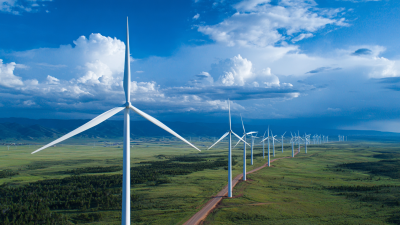
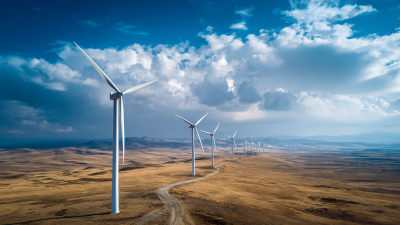
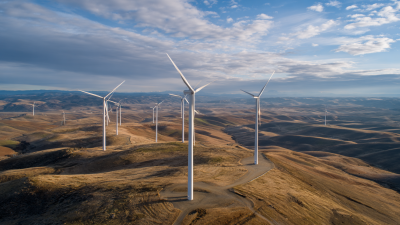
Wind energy plays a crucial role in the transition towards sustainable development, serving as one of the most promising renewable energy sources. According to the Global Wind Energy Council (GWEC), the total installed wind capacity worldwide reached over 743 GW by the end of 2020, which generated approximately 1,514 TWh of electricity, representing around 6% of the global energy supply. This significant contribution not only helps to reduce greenhouse gas emissions but also enhances energy security and diversification, allowing nations to decrease their dependence on fossil fuels.
The growth of wind energy is also tied to its economic benefits. A report from the International Renewable Energy Agency (IRENA) highlights that in 2020, the wind energy sector employed over 1.3 million people globally, and this number is expected to grow as investment in renewable technologies increases. Furthermore, the cost of wind energy has decreased significantly over the past decade, with onshore wind projects now registering levelized costs of electricity (LCOE) below $30 per megawatt-hour in some regions. This affordability makes wind energy an attractive option for achieving sustainable development goals while advancing economic growth and job creation in the green economy.
Innovative Technologies for Efficient Biomass Energy Production
Innovative technologies are paving the way for efficient biomass energy production, forming a crucial part of the renewable energy landscape. Biomass, derived from organic materials such as agricultural residues, wood chips, and even waste, can be converted into biofuels or biogas through various processes. Advanced techniques, such as gasification and anaerobic digestion, enhance the efficiency of biomass conversion, making it a viable alternative to fossil fuels. These technologies not only reduce greenhouse gas emissions but also contribute to a circular economy by utilizing waste as a resource.
Tips for maximizing biomass energy efficiency:
- Feedstock Selection: Choosing the right feedstock is vital. Opt for high-yield and low-moisture materials to optimize energy output.
- Process Optimization: Regularly assess and adjust operational parameters in gasification or fermentation processes to ensure maximum efficiency and minimize energy loss.
- Integration with Other Energy Sources: Consider integrating biomass energy systems with solar or wind technologies to create a hybrid model that maximizes resource use and reliability.
By leveraging these innovative technologies and strategies, we can significantly enhance biomass energy production, driving us closer to a sustainable energy future.
Integrating Hydropower Solutions for Climate Resilience
Hydropower is a cornerstone of renewable energy, providing a reliable and efficient means of generating electricity while enhancing climate resilience. According to the International Hydropower Association, hydropower accounts for 16% of global electricity generation, making it the largest source of renewable energy worldwide. Its capacity to store energy through reservoirs allows for a balanced energy supply, especially during peak demand periods, which is crucial as the world shifts towards more intermittent sources like wind and solar power.
In regions prone to climate variability, hydropower systems contribute significantly to disaster risk reduction. For instance, the World Bank reports that investing in climate-resilient hydropower can mitigate the effects of flooding and drought. By integrating advanced monitoring and adaptive management strategies, these systems not only support energy needs but also maintain vital ecosystem services. Countries that enhance their hydropower infrastructure can improve their overall energy independence and security while addressing climate change challenges effectively. As we aim for a sustainable future, prioritizing hydropower solutions is essential for building resilience within our energy systems and communities.
How to Harness Renewable Energy for a Sustainable Future: A Complete Guide - Integrating Hydropower Solutions for Climate Resilience
| Dimension |
Description |
Statistics |
Impact |
| Hydropower Capacity (GW) |
Total installed hydropower capacity globally |
1,295 GW |
Provides about 16% of world's electricity |
| CO2 Emissions Reduction (Million Tonnes) |
Estimated reduction of carbon emissions due to hydropower |
4,000 million tonnes |
Significantly contributes to climate change mitigation |
| Investment in Hydropower ($ Billion) |
Global investment in new hydropower projects |
60 Billion |
Enables sustainable infrastructure development |
| Number of Countries with Hydropower Plants |
Total number of countries utilizing hydropower |
150 |
Promotes energy independence |
| Average Plant Lifespan (Years) |
Typical lifespan of hydropower plants |
50 |
Long-term energy sustainability |