2026 How to Harness Renewable Energy for a Sustainable Future?
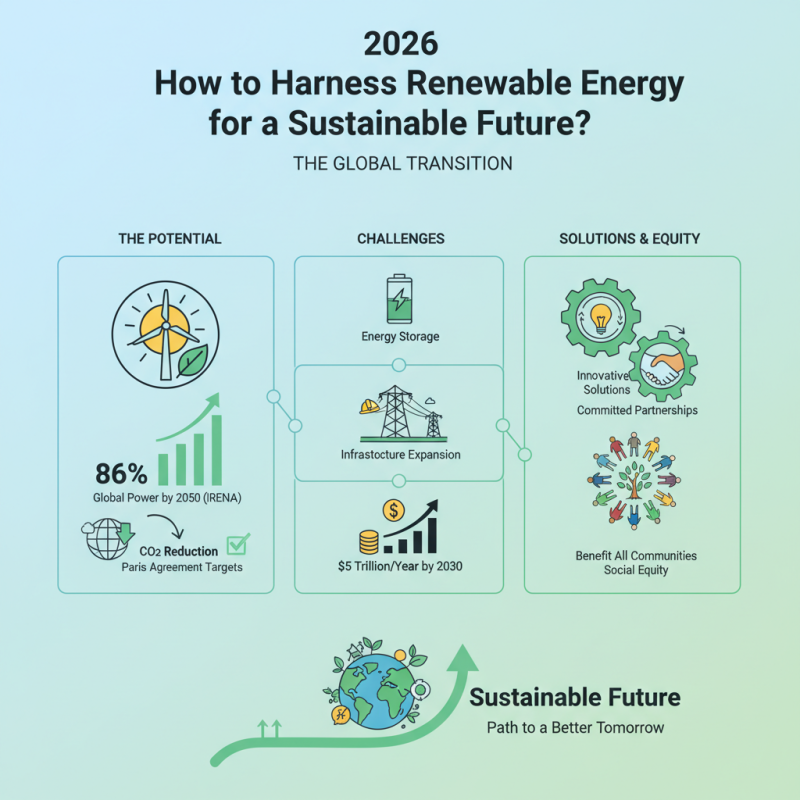
As the world grapples with climate change, harnessing renewable energy is crucial for a sustainable future. According to the International Renewable Energy Agency (IRENA), renewable energy sources could provide up to 86% of global power by 2050. This transition is necessary to reduce carbon emissions and meet the Paris Agreement targets.
Renewable energy is not without its challenges. The integration of solar, wind, and other sustainable sources can lead to energy storage issues. Additionally, the infrastructure for renewable energy must be expanded significantly. Reports indicate that investment in renewable energy needs to increase to $5 trillion annually by 2030 to meet global climate objectives.
It is also essential to consider social equity in this transition. Transitioning to renewable energy should benefit all communities, not just wealthy ones. Addressing these challenges will require innovative solutions and committed partnerships. The path ahead is not simple, but the potential rewards for society and the environment are substantial.
Understanding Renewable Energy Sources and Their Importance
Renewable energy sources are crucial for a sustainable future. They include solar, wind, hydro, and geothermal energy. These sources are abundant and can effectively reduce our carbon footprint. Switching from fossil fuels to renewables can help mitigate climate change. Many communities are already witnessing the benefits of this transition.
**Tips:** Start small by installing solar panels or using energy-efficient appliances. Every little effort counts. Look into local resources that promote renewable energy adoption. Explore community programs that support wind or solar farms. You might find financial incentives or shared initiatives.
Understanding the importance of renewable energy is vital. It ensures energy security and reduces reliance on finite resources. Investing in renewables fosters innovation and job creation. However, it’s not without challenges. Infrastructure needs improvement, and initial costs can be high. We must rethink our energy consumption habits for true progress.
Renewable Energy Sources and Their Contribution to Global Energy Production (2022)
Key Technologies for Harnessing Renewable Energy Efficiently
Harnessing renewable energy is crucial for sustainable living. Key technologies play a vital role in this process.
Solar panels convert sunlight into electricity.
Wind turbines capture wind energy to generate power. Both methods reduce reliance on fossil fuels and lower carbon emissions.
Tips: Consider local climate when selecting renewable technologies. For instance, solar panels thrive in sunny regions. Wind power is ideal for areas with consistent wind. Efficiency varies, making research essential.
Investing in energy storage systems is another important technology. Batteries store excess energy for use during low production periods. Effective storage boosts reliability. It ensures energy is available when needed. However, the environmental impact of battery production requires careful consideration.
Make a conscious choice to evaluate all options thoroughly. Examine the resources available in your area. Balance initial costs with long-term benefits. Explore community initiatives supporting renewable energy projects. Collaboration can enhance impact and drive local engagement.
Implementing Renewable Energy Solutions in Urban Settings
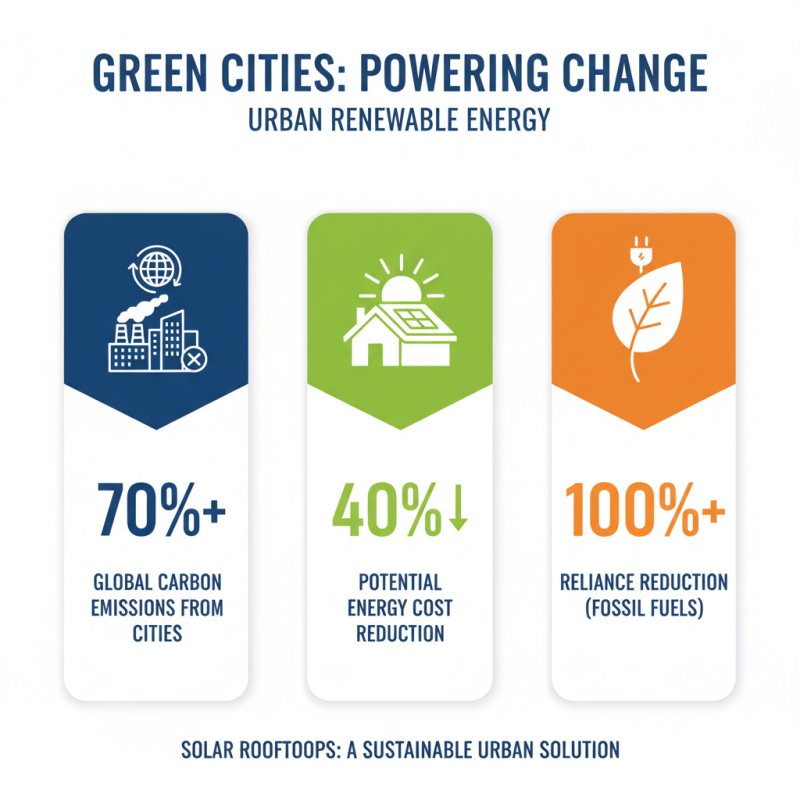
Urban areas are responsible for over 70% of global carbon emissions. This stark statistic highlights the need for effective renewable energy solutions in cities. Harnessing solar panels on rooftops can drastically reduce reliance on fossil fuels. In fact, a recent report noted that cities could decrease energy costs by up to 40% through such implementations.
Wind energy is another promising option. Vertical wind turbines can fit into compact urban spaces, generating power without large land requirements. However, challenges remain. Noise and aesthetic concerns have slowed adoption in some neighborhoods. Awareness campaigns are essential to address these issues.
Moreover, incorporating green roofs can enhance energy efficiency. These installations improve insulation while increasing urban greenery. A study showed that cities could increase biodiversity by 30% through such initiatives. Yet, funding for these projects often falls short. Local governments must prioritize renewable investments to create sustainable urban environments. The potential is enormous, but realizing it requires commitment and collaboration from all stakeholders.
Policies and Incentives to Promote Renewable Energy Adoption
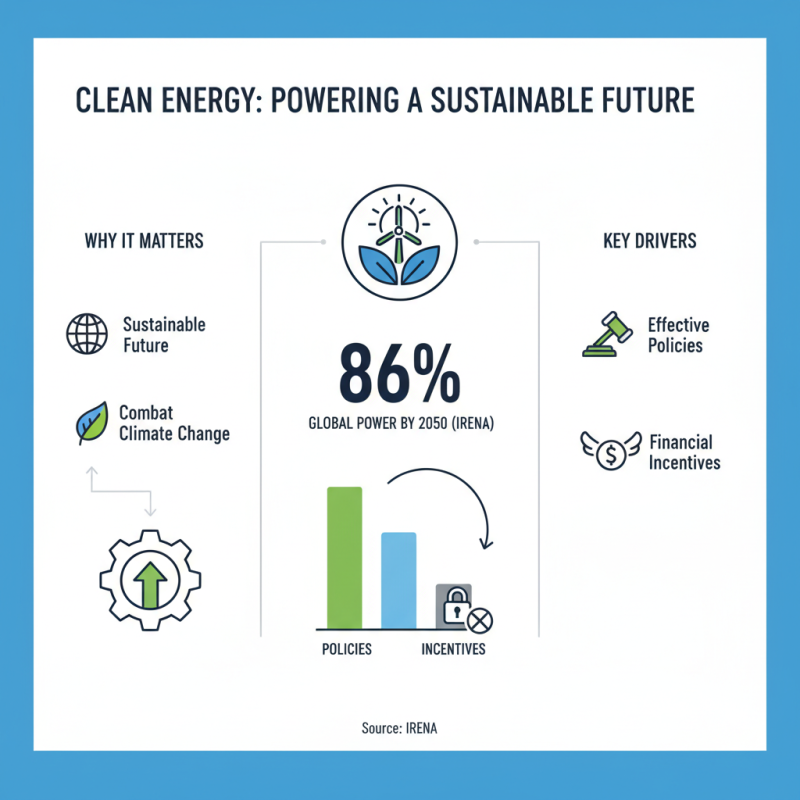
Renewable energy is crucial for a sustainable future. Effective policies and incentives can drive adoption. According to the International Renewable Energy Agency (IRENA), renewable energy could meet up to 86% of global power needs by 2050. Yet, implementation hurdles remain. Without strong policy frameworks, progress stalls.
Many countries are introducing financial incentives for renewable energy projects. Subsidies can reduce costs for solar and wind installations. Reports indicate that countries with favorable policies see a 40% increase in renewable capacity. However, the efficiency of these policies varies significantly. Some regions still lag behind due to bureaucracy and funding issues.
Moreover, public awareness plays a vital role. The Renewable Energy Policy Network notes that education can increase support for renewables. Effective communication about the benefits is essential. Simplifying access to information can amplify public engagement. Still, the challenge remains: how to ensure that incentives reach those who need them most.
Challenges and Innovations in Achieving a Sustainable Energy Future
The transition to renewable energy is not without its challenges. Infrastructure upgrades are often needed to support new technologies. Many regions still rely heavily on fossil fuels. This reliance can hinder progress. Energy storage remains a significant hurdle. Batteries can be expensive and have limited capacity. Developing efficient storage solutions is crucial for renewable integration.
Innovations in solar, wind, and hydropower are promising. Floating solar panels and vertical wind turbines show potential. These technologies can utilize underused spaces. However, scaling these innovations is complex. Regulatory frameworks lag behind technological advancements. Policymakers must adapt to foster growth in this field. Collaboration among scientists, engineers, and governments is essential.
Public attitudes toward renewable energy can also be inconsistent. Some communities resist local projects due to aesthetic reasons. Others fear economic impacts on traditional jobs. Education and awareness are key to overcoming these fears. It's vital to communicate the benefits clearly. Many people want a sustainable future, but action is needed now. The path forward requires adaptable strategies and a willingness to embrace change.
2026 How to Harness Renewable Energy for a Sustainable Future? - Challenges and Innovations in Achieving a Sustainable Energy Future
| Dimension |
Challenge |
Innovation |
Impact on Sustainability |
| Energy Storage |
Limited storage capacity for renewable energy |
Advancements in battery technologies |
Increased reliability of renewable energy supply |
| Grid Integration |
Difficulty in integrating multiple energy sources |
Smart grid technologies |
Improved energy distribution efficiency |
| Policy and Regulatory Framework |
Insufficient policies to support renewable energy |
Innovative policy models |
Enhanced investment in renewable projects |
| Public Awareness |
Low public interest and understanding |
Educational initiatives |
Increased community engagement in sustainability |
| Sustainable Technologies |
Rapid technology changes |
Innovations in solar and wind technology |
Lower carbon footprint and energy costs |