How to Harness Sustainable Power for Your Home?
In today’s world, harnessing sustainable power for your home is more crucial than ever. As energy demands rise, so do concerns about our planet. Adopting sustainable power methods can reduce energy bills and lessen our environmental impact. Imagine turning sunlight into electricity or capturing wind energy at your property. These methods have a significant role in energy sustainability.
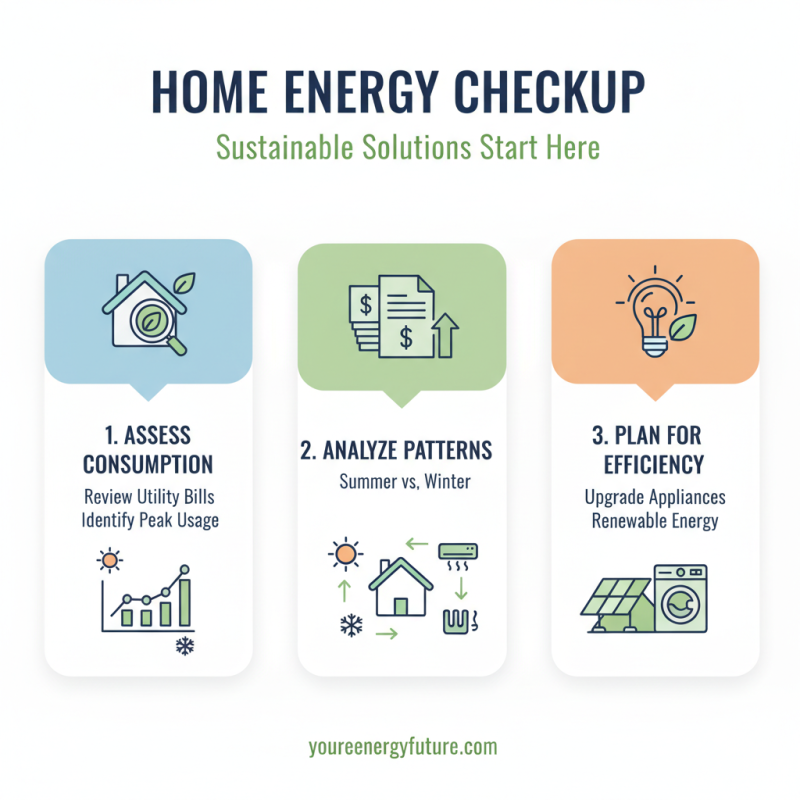
Yet, transitioning to sustainable power isn't without challenges. High initial costs can deter homeowners from investing. There may also be technical barriers, such as installing solar panels or wind turbines. These hurdles can make the process feel overwhelming. However, small steps can lead to a more eco-friendly home. A simple energy audit can identify easy changes.
Exploring sustainable power options requires a shift in mindset. It’s essential to be open to new technologies and ideas. Many homes already use energy-efficient appliances. Taking the next step might involve exploring home energy storage systems. By embracing these solutions, homeowners can contribute to a sustainable future while enjoying the benefits of renewable energy.
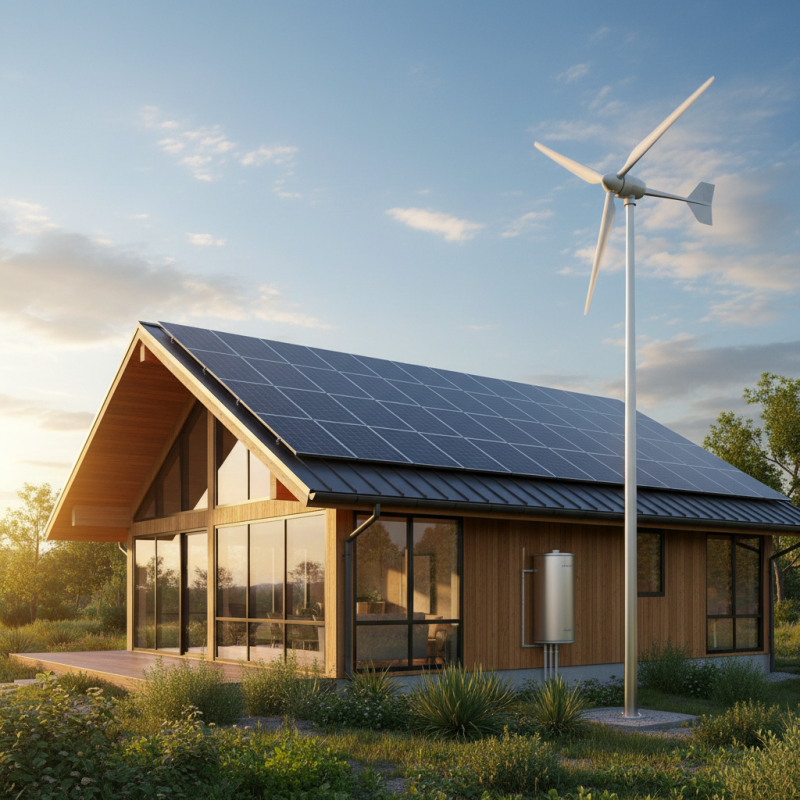
Understanding Sustainable Power: An Overview of Home Energy Options
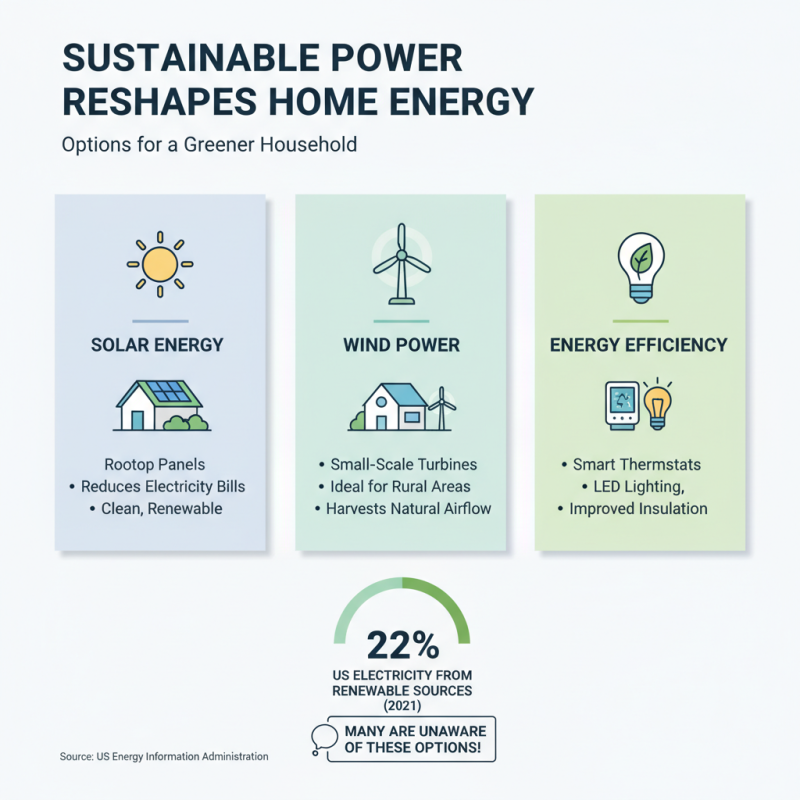
Sustainable power is reshaping the way we consume energy at home. Households can consider several options, such as solar energy, wind power, and energy efficiency tools. According to the U.S. Energy Information Administration, about 22% of electricity generated in 2021 came from renewable sources. However, many people are still unaware of these options.
Solar panels are widely recognized for their potential. They can reduce electricity bills significantly. Residential solar systems may drop energy costs by up to 70%. Wind turbines also provide power, but they require more space and are not suitable for every home. Energy efficiency upgrades, like LED lighting, can lower usage by 75%. Houses that adopt these measures often see quick returns.
**Tips:**
Consider your location carefully. Some areas receive more sunlight or wind. Assess which option fits best. Start small; an energy-efficient appliance can pave the way to larger changes. Also, review incentives available in your region. Many programs can help lower initial costs. Choose wisely; every small step counts in the journey toward sustainable living.
Exploring Renewable Energy Sources: Solar, Wind, and Geothermal
Exploring renewable energy sources can be a game-changer for your home.
Solar energy tops the list. According to the International Energy Agency (IEA), solar power capacity has increased dramatically over the past decade.
In 2020 alone, it accounted for nearly 50% of global renewable energy capacity growth.
Homeowners can install solar panels to reduce utility bills. However, installation costs remain high, and effectiveness depends on geographical location.
Wind energy is another option. Reports indicate that onshore wind energy could provide about 35% of U.S. electricity needs by 2050.
Turbines require ample space, which can be a challenge for urban households. Noise and visual impact may deter some homeowners.
Furthermore, wind energy can be intermittent, leading to inconsistent energy generation.
Geothermal energy is less common but shows promise. The U.S. Department of Energy states that geothermal could supply 20% of U.S. electricity by 2050.
It harnesses heat from the Earth, making it reliable. However, drilling costs and site-specific challenges can make it impractical for some locations.
Homeowners must weigh these factors when considering their sustainable energy options.
Implementing Energy-Efficient Practices in Your Household
Implementing energy-efficient practices in your household is essential for sustainability. According to the U.S. Department of Energy, nearly 30% of energy consumption comes from residential energy use. Small changes can make a big impact. For instance, simply using LED light bulbs can reduce electricity use by up to 75% compared to traditional incandescent bulbs. However, many households still rely on outdated options, which raises concerns about energy waste.
One often overlooked area is heating and cooling. The Environmental Protection Agency reports that heating and cooling account for nearly half of the average home’s energy use. Sealing leaks in your home can lead to significant savings, and it’s relatively low-cost. Yet, some homeowners hesitate to invest in insulation, missing out on potential bill reductions. It’s worth considering how much comfort contributes to our energy consumption.
Moreover, adopting smart home technologies offers a chance for improvement. Smart thermostats can optimize energy usage and reduce waste. Research indicates that using these devices can save around 10-12% on heating and cooling bills. Still, some consumers resist these advancements due to costs or complexity. Reflection on our choices is vital—making room for progress often means reevaluating what we consider necessary.
Energy Consumption in Household Appliances
Choosing the Right Sustainable Power Systems for Your Home
Choosing the right sustainable power systems for your home can feel overwhelming. There are various options available, each with its unique benefits and challenges. Solar panels are a popular choice, harnessing sunlight to generate electricity. They can significantly reduce your energy bills. However, initial installation costs can be high, and not every home has optimal sun exposure.
Wind turbines are another option, especially for those living in breezy areas. They convert wind energy into power. However, noise and maintenance concerns should not be overlooked. It's important to check local zoning laws, as some areas have restrictions on wind turbines.
Geothermal systems utilize the earth's heat for heating and cooling. They are highly efficient but require substantial upfront investment and proper site selection. Each system has its intricacies and may prompt questions about sustainability and cost-effectiveness. Researching thoroughly and considering your unique circumstances is essential when choosing.
How to Harness Sustainable Power for Your Home?
| Power System |
Description |
Initial Cost ($) |
Maintenance Cost ($/year) |
Environmental Impact |
| Solar Panels |
Converts sunlight into electricity; ideal for sunny climates. |
15,000 |
200 |
Low emissions, renewable energy source. |
| Wind Turbines |
Uses wind energy to generate power; best in windy areas. |
25,000 |
300 |
Renewable, low carbon footprint. |
| Geothermal Heating |
Harnesses heat from the Earth for heating and cooling. |
20,000 |
150 |
Very low emissions, steady energy source. |
| Hydroelectric Systems |
Generates power from flowing water; suitable for rivers. |
30,000 |
400 |
Renewable but can impact local ecosystems. |
| Biomass Energy |
Converts organic materials into electricity or heat. |
18,000 |
250 |
Renewable but can produce emissions if not managed correctly. |