How to Harness Wind Turbine Energy for Sustainable Power Generation?
In recent years, wind turbine energy has emerged as a pivotal element in sustainable power generation. Experts like Dr. Emily Thorn, a leading researcher in renewable energy, emphasize its potential by stating, "Harnessing wind turbine energy can transform our energy landscape for the better." With this promise, many regions are investing heavily in wind technology.
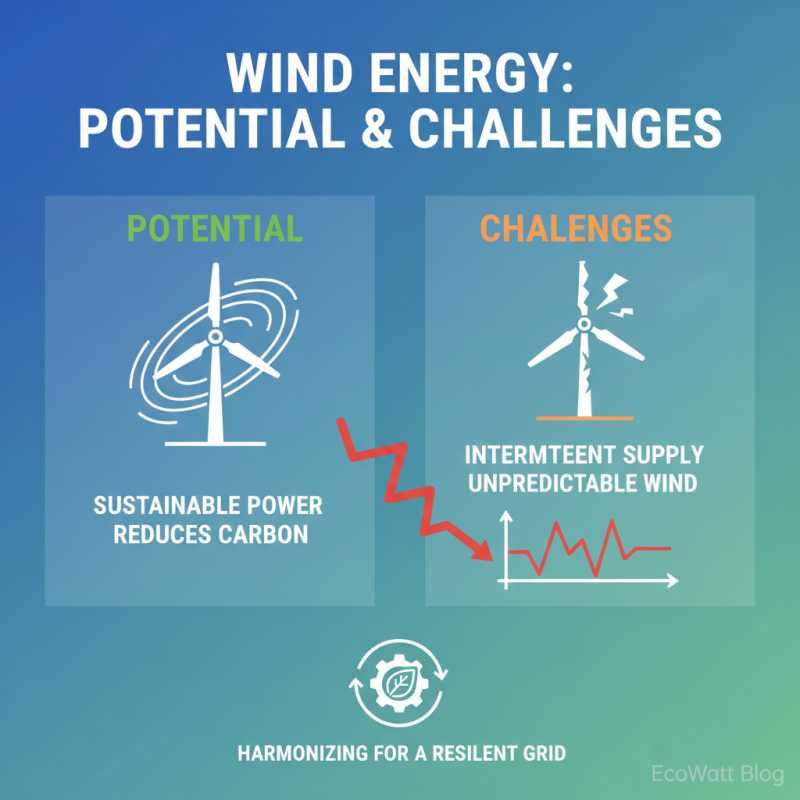
Wind turbines convert kinetic energy from the wind into electricity. This process offers a clean and renewable source of power. However, challenges remain. For instance, integrating wind energy into the existing grid can be complex. Some regions still depend heavily on fossil fuels, making the transition slower.
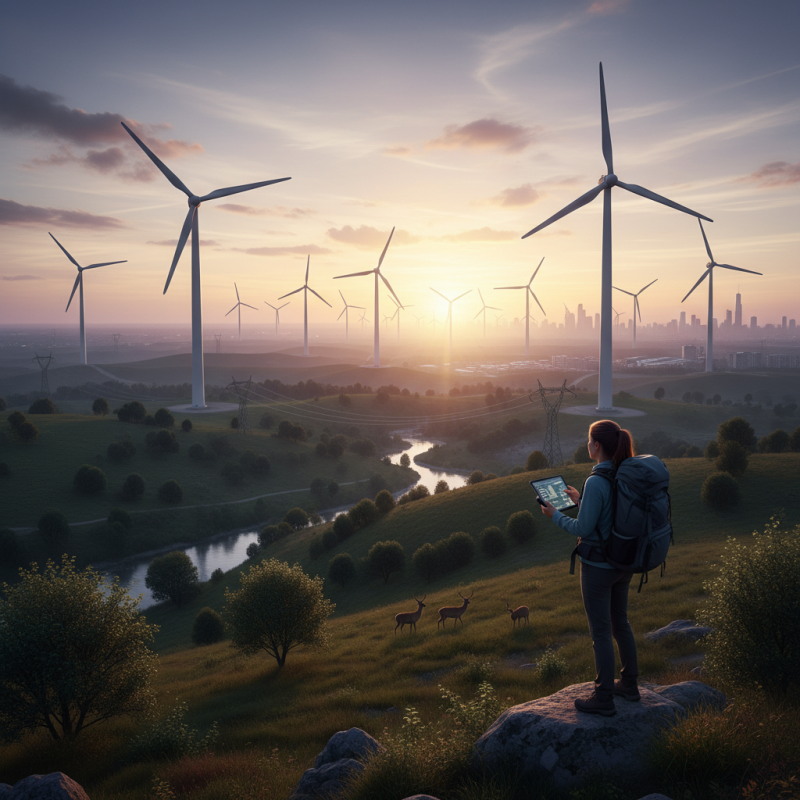
Moreover, wind turbines can impact local ecosystems. It's vital to conduct thorough assessments before installation. As we harness wind turbine energy, we must balance environmental concerns with our need for sustainable power. It's an opportunity to rethink our approach to energy, yet we must remain cautious and reflective.
Understanding the Basics of Wind Turbine Technology
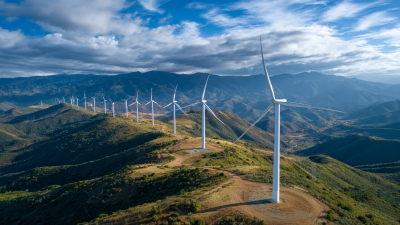
Wind turbine technology is at the forefront of sustainable energy solutions. The basic principle is simple: wind turns the blades, generating electricity. According to the Global Wind Energy Council, global installed wind capacity reached over 743 GW in 2020. This is a leap forward in reducing carbon emissions. However, challenges remain, such as efficiency and location.
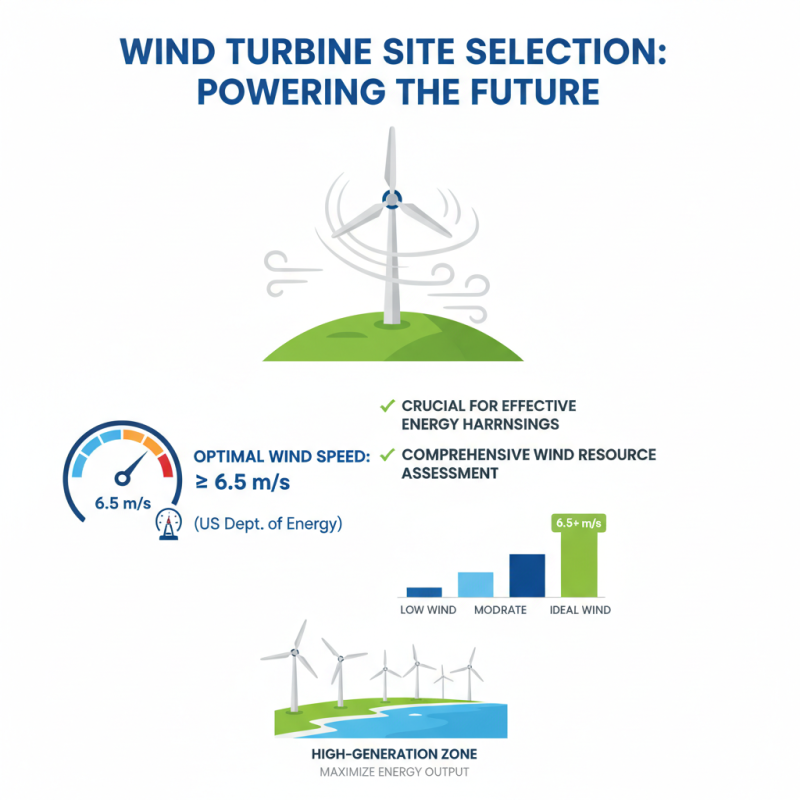
Wind turbines convert kinetic energy into mechanical energy. Each turbine can generate between 1.5 to 3 megawatts of electricity. Interestingly, the capacity factor varies widely. Some turbines operate at only 30% efficiency. Factors like wind speed and terrain heavily influence performance. Proper site selection is crucial for maximizing output. A poorly placed turbine might not harness enough wind, leading to frustrations.
The environmental impact of wind farms must also be considered. Wildlife disruptions can occur. Some species are affected by turbine blades. There is ongoing research to mitigate these issues. While wind energy is cleaner, it is not without flaws. Balancing infrastructure with ecological concerns remains a significant challenge for the industry.
How to Harness Wind Turbine Energy for Sustainable Power Generation? - Understanding the Basics of Wind Turbine Technology
| Parameter |
Details |
| Turbine Type |
Horizontal Axis |
| Capacity Range |
1.5 - 3.5 MW |
| Blade Length |
40 - 80 meters |
| Average Efficiency |
35% - 45% |
| Height of Tower |
80 - 120 meters |
| Typical Lifespan |
20 - 25 years |
| Installation Cost |
$1,200 - $1,800 per kW |
| Average Output |
2,000 - 6,000 MWh/year |
| Environmental Impact |
Low Carbon Emission |
Key Components of Wind Turbines for Efficient Energy Conversion
Wind turbines are crucial for harnessing renewable energy. They consist of several key components that work together to convert wind energy into electricity. The rotor blades capture wind flow and are designed for maximum efficiency. When the wind blows, these blades spin, turning the rotor. This movement is vital for energy generation.
Next, the nacelle houses essential systems. Inside, you'll find generators, gearboxes, and control systems. Each plays a role in converting mechanical energy into electrical energy. The gearbox increases rotor speed, which helps the generator produce more electricity. However, gearboxes often require maintenance and can fail unexpectedly.
The tower supports the entire structure and must reach high altitudes. This elevation allows turbines to access stronger winds. Unfortunately, not every site is suitable. Factors like terrain and wind patterns must be considered. Turbine placement can significantly impact energy output. Engineers need to analyze locations thoroughly. Even small mistakes can lead to decreased efficiency. In wind energy, attention to detail is crucial for success.
Integration of Wind Power into the Energy Grid
Integrating wind power into the energy grid presents both exciting opportunities and significant challenges. According to the International Renewable Energy Agency, wind power capacity reached 743 GW globally in 2020. This rapid growth reflects a shift towards sustainable energy sources. However, variability in wind speed can create instability in the grid.
Grid operators must manage this variability effectively. Studies suggest that integrating energy storage solutions, like batteries, can help. In fact, a report by the U.S. Department of Energy indicates that energy storage could enhance wind integration by 30%. Still, there are hurdles to overcome. The costs of battery technology remain high, and energy management systems can be complex.
To incorporate wind energy effectively, infrastructure updates are necessary. Upgrading transmission lines to handle fluctuations is crucial. The National Renewable Energy Laboratory predicts that efficient integration could raise renewable energy's share to 50% by 2030. Yet, regulatory challenges persist. Balancing local and national interests can slow down progress. Collaborative efforts are needed to ensure a robust transition towards wind energy within the existing grid systems.
Challenges and Solutions for Wind Energy Sustainability
Harnessing wind turbine energy can significantly contribute to sustainable power generation. However, several challenges hinder this potential. One major issue is the inconsistency of wind. Turbines depend on wind speed, which is fluctuating and unpredictable. This variability can lead to energy supply disruptions.
Another challenge is the environmental impact of wind farms. They can affect local wildlife, particularly birds. Striking a balance between renewable energy production and ecological preservation is crucial. Implementing careful site assessments can help mitigate these impacts.
**Tips:** Consider placing turbines in less populated areas to minimize conflicts. Additionally, using advanced technology can enhance turbine efficiency and reduce their footprint. Regular maintenance is essential too; it ensures optimal performance. Remember, sustainability requires constant reflection and adaptation. Challenges like noise pollution also need attention. Balancing wind energy's benefits with its drawbacks is vital for future progress.