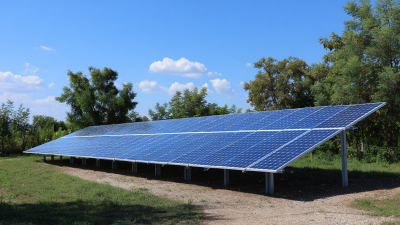
Harnessing Power Energy for Sustainable Living in a Modern World
In the modern world, the concept of sustainable living has become increasingly crucial as we face the pressing challenges of climate change and energy scarcity. At the heart of this movement lies the strategic utilization of power energy, which not only drives our daily activities but also holds the potential to transform the way we interact with our environment.
 By harnessing various forms of power energy, such as solar, wind, and hydroelectric sources, we can reduce our carbon footprint and promote ecological balance. This approach not only enhances our quality of life but also ensures that we are preserving resources for future generations. As we delve into the myriad ways power energy can be leveraged for sustainable development, it becomes clear that integrating innovative technologies and sustainable practices is essential for a resilient and thriving modern society.
Innovative Technologies for Renewable Energy Generation
Innovative technologies are reshaping the landscape of renewable energy generation, making sustainable living more achievable in today's modern world. According to the International Renewable Energy Agency (IRENA), global renewable energy capacity reached over 3,000 gigawatts in 2021, highlighting a significant shift towards cleaner energy sources. Solar, wind, and hydroelectric power remain at the forefront of this transition, with solar energy leading the way. The U.S. Energy Information Administration (EIA) projects that by 2025, solar energy will account for 20% of total electricity generation in the United States, driven by technological advancements and decreasing costs.
Advancements in energy storage technologies, such as lithium-ion batteries, are also playing a pivotal role in enhancing the reliability and efficiency of renewable energy systems. BloombergNEF reports that the cost of battery storage has fallen by 85% since 2010, enabling increased integration of renewable sources into the energy grid. Furthermore, smart grid innovations are optimizing energy distribution, allowing for real-time data monitoring and better load management. These developments not only foster a cleaner environment but also promote energy resilience, essential for sustainable living in an ever-evolving world.
Harnessing Power Energy for Sustainable Living in a Modern World - Innovative Technologies for Renewable Energy Generation
| Technology |
Type |
Efficiency (%) |
Installation Cost ($/kW) |
Lifespan (Years) |
| Solar PV |
Photovoltaics |
20-22 |
3000 |
25 |
| Wind Turbines |
Wind Energy |
35-45 |
1500 |
20 |
| Hydroelectric |
Hydropower |
30-45 |
5000 |
50 |
| Biomass |
Biomass Energy |
20-25 |
3000 |
20 |
| Geothermal |
Geothermal Energy |
10-20 |
4000 |
30 |
The Role of Energy Efficiency in Sustainable Living
Energy efficiency is a critical component of sustainable living in our modern world, where the demand for energy continues to rise. By optimizing the way we use energy, we can significantly reduce our carbon footprint and diminish our reliance on non-renewable resources. Implementing energy-efficient technologies, such as LED lighting, energy-efficient appliances, and smart home systems, not only lowers energy consumption but also saves money for consumers. This shift towards efficiency not only benefits the environment but also promotes economic sustainability by reducing overall energy expenditure.
Moreover, fostering a culture of energy efficiency is essential for creating a sustainable future. Educational initiatives play a key role in raising awareness about the importance of conserving energy and making informed choices. By engaging communities in energy-saving practices, we can cultivate habits that support a sustainable lifestyle. Additionally, governments and organizations can contribute by incentivizing energy-efficient solutions and setting regulations that promote sustainable energy use. Embracing energy efficiency today paves the way for a greener tomorrow, ensuring that future generations can enjoy a healthy and sustainable environment.
Integrating Smart Grids for Enhanced Energy Management
The integration of smart grids is a transformative step toward enhanced energy management in the modern world. A smart grid uses digital technology to improve the efficiency, reliability, and sustainability of the production and distribution of electricity. According to a report by the U.S. Department of Energy, the implementation of smart grid technologies could reduce the annual energy costs for consumers by up to $100 billion by 2030. Furthermore, it enables real-time data collection and analysis, facilitating better demand response strategies and the incorporation of renewable energy sources.
Tips for leveraging smart grids effectively include investing in energy-efficient appliances and utilizing smart meters. These tools can help consumers track their energy usage patterns and adjust their consumption accordingly—resulting in significant cost savings. Additionally, understanding local energy pricing dynamics can empower individuals to shift their usage to off-peak hours, optimizing energy costs while contributing to grid stability.
Moreover, collaboration between governments, utility companies, and communities plays a crucial role in harnessing smart grid capabilities. A joint study by the International Energy Agency (IEA) emphasizes that countries adopting smart grid technologies can expect a 15-20% reduction in greenhouse gas emissions. Engaging in public awareness campaigns and educational programs can further stimulate consumer participation, leading to more sustainable living practices that benefit both the environment and society.
Community-Based Approaches to Sustainable Energy Solutions
 Community-based approaches to sustainable energy solutions play a vital role in addressing the pressing energy challenges faced by modern societies. By mobilizing local resources and engaging residents in the decision-making process, communities can develop energy initiatives that reflect their unique needs and priorities. These initiatives often include renewable energy projects, such as solar panels or wind turbines, which not only reduce dependency on fossil fuels but also create local jobs and boost the economy.
In these community-driven models, collaboration between residents, local governments, and non-profit organizations is key. Workshops and educational programs can empower community members with knowledge about energy efficiency and sustainable practices. Furthermore, pooling resources allows for the sharing of costs and benefits, making renewable energy more accessible and affordable for everyone. This collective effort fosters a sense of ownership and responsibility towards energy sustainability, ultimately leading to stronger and more resilient communities as they navigate the complexities of a modern energy landscape.
Policy Frameworks Supporting Green Energy Initiatives
As global energy consumption continues to rise, robust policy frameworks are essential for promoting green energy initiatives. According to the International Energy Agency (IEA), renewables accounted for nearly 30% of the world's electricity generation in 2020, a figure that underscores the critical need for policies that facilitate the transition from fossil fuels to sustainable energy sources. Countries are increasingly implementing incentives such as tax credits and subsidies for renewable energy projects. For instance, the U.S. solar market grew by 43% in 2020, spurred by federal incentives and state-level mandates promoting clean energy adoption.
Moreover, research by the Renewable Energy Policy Network for the 21st Century (REN21) indicates that investment in renewable energy technologies reached a staggering $500 billion globally in 2021, showcasing the financial viability of transitioning to clean energy. Effective policy frameworks not only attract investment but also create jobs; the IEA estimates that clean energy jobs will reach 24 million by 2030, offering a sustainable pathway for economic development. Thus, the alignment of government policies with green energy goals can significantly contribute to a more sustainable living environment while addressing climate change challenges.