How to Harness Sustainable Energy for a Greener Future?
The quest for sustainable energy is more important than ever. As climate change escalates, we face a critical choice. Our tactics must shift toward renewable resources. Solutions like solar, wind, and bioenergy offer promise. However, implementing these options remains a challenge.
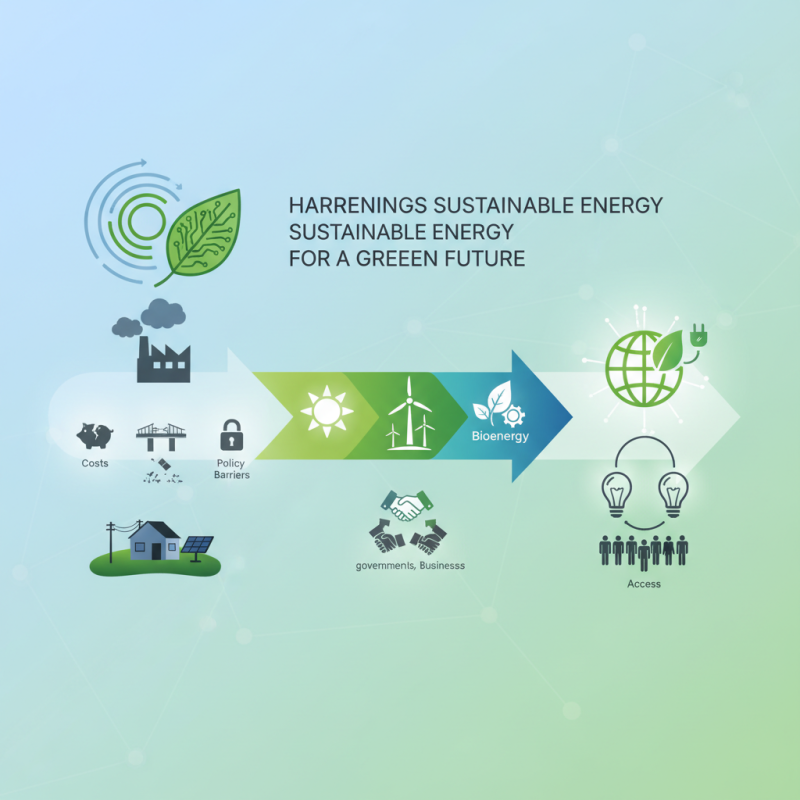
Many communities struggle to access sustainable energy. Costs, infrastructure, and policy barriers create significant hurdles. For instance, rural areas often lack the basic facilities to harness solar power. This raises questions about equity and availability.
In pursuing a greener future, we must address these disparities. It's essential to rethink our approach to sustainable energy. Collaboration among governments, businesses, and citizens is crucial. Only then can we unlock the full potential of renewable resources for everyone.
Understanding Sustainable Energy: Definition and Importance
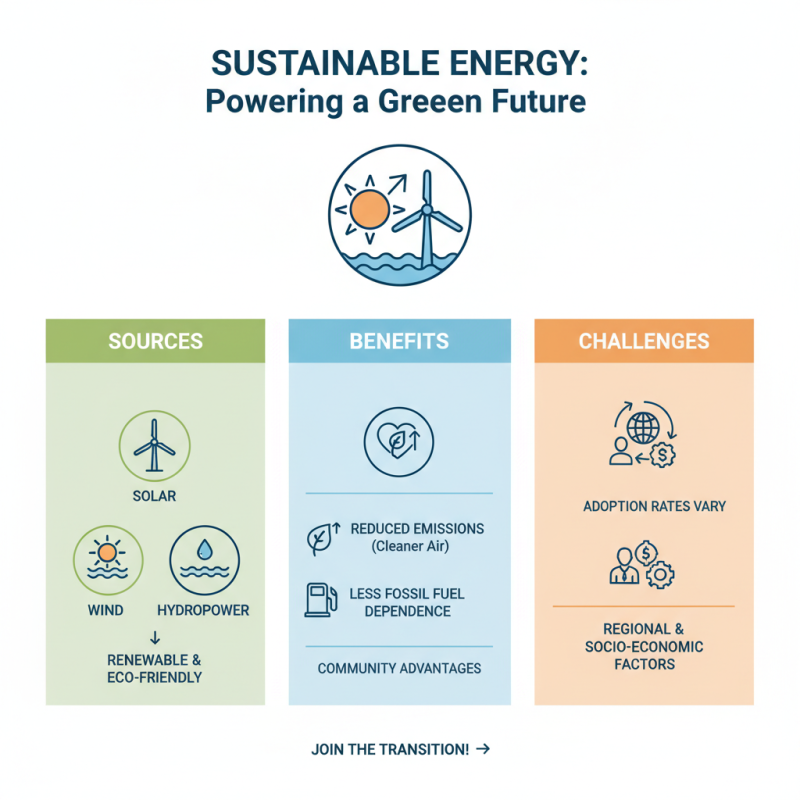
Sustainable energy refers to energy sources that are renewable and environmentally friendly. These include solar, wind, and hydropower. Utilizing these sources can significantly reduce greenhouse gas emissions. Many communities are already seeing the benefits. Cleaner air and reduced dependency on fossil fuels are just a few outcomes. However, the transition is not without challenges. Adoption rates vary among different regions and socio-economic groups.
Understanding the importance of sustainable energy is crucial. It supports energy independence and strengthens local economies. Many jobs are created through the clean energy sector. This transformation, however, often comes with hurdles. Initial costs can be high, and infrastructure needs an upgrade. Public awareness and education are essential. People need to understand the long-term benefits of sustainability. Some may still be skeptical about switching from traditional energy sources. Overcoming this doubt will require ongoing dialogue and trust-building.
Overall, the path to a greener future is complex. It involves not just technology but also human behavior. Individuals must adapt their habits and values. The collective effort will ultimately pave the way for a more sustainable planet. Each small step can lead to significant changes. Everyone has a role to play in this journey.
Types of Sustainable Energy Sources: Wind, Solar, Hydro, and Biomass
Wind energy is one of the most accessible sources of sustainable power. It harnesses the natural movement of air. Wind turbines convert kinetic energy into electricity. These turbines can be found onshore and offshore. Both locations have their pros and cons. Onshore sites may face opposition from local communities. Offshore sites are often more expensive to install.
Solar energy captures sunlight using solar panels. It is clean and abundant. The panels can be installed on rooftops or large fields. However, solar energy production fluctuates. It depends on the weather and time of day. Energy storage solutions are still being developed. They need improvement to provide constant energy.
Hydro power uses flowing water to generate electricity. Dams can block rivers, which alters ecosystems. While it provides stable energy, environmental impacts are worth noting.
Biomass energy relies on organic materials. It can include plant waste and animal manure. This source reduces waste but can compete with food production. Each type of sustainable energy has its challenges and opportunities. It invites discussion and reflection on our energy future.
Innovative Technologies for Harnessing Sustainable Energy Efficiently
Innovative technologies are crucial for harnessing sustainable energy efficiently. Solar panels are an excellent example. They convert sunlight into electricity. However, these panels often face efficiency challenges. They need better materials to capture more sun rays. Current designs can sometimes be bulky. This can limit their installation in urban areas.
Wind energy offers another opportunity. Turbines can generate significant power from wind. Yet, their placement must be strategic. Too many turbines can disrupt local ecosystems. Their noise can also be a concern for nearby communities. Finding a balance is essential.
Bioenergy is compelling but has its flaws. Using crops for energy can affect food supply. We must consider the environmental impact of these choices. Invest in research to improve efficiency while minimizing harm. Effective solutions require collaboration and open minds. Only then can we push toward a truly greener future.
How to Harness Sustainable Energy for a Greener Future?
| Technology |
Energy Source |
Efficiency (%) |
Environmental Impact |
| Solar Photovoltaics |
Solar Energy |
15 - 20 |
Low carbon emissions |
| Wind Turbines |
Wind Energy |
35 - 45 |
Minimal land disruption |
| Hydropower |
Water Energy |
30 - 50 |
Impact on aquatic ecosystems |
| Biomass Energy |
Biomass Sources |
20 - 25 |
Carbon neutral if sustainably sourced |
| Geothermal Energy |
Earth's Heat |
10 - 20 |
Low emissions |
Challenges in Implementing Sustainable Energy Solutions Globally
The transition to sustainable energy is filled with obstacles. One major challenge is the variation in energy policies worldwide. Some countries lack regulations to support renewable energy projects. A report by the International Renewable Energy Agency (IRENA) indicates that only 29% of countries have renewable energy policies in place. This inconsistency hinders global collaboration and progress.
Infrastructure is another critical issue. Many regions still depend on fossil fuels. The World Bank states that up to 80% of the world's energy supply comes from traditional sources. Transitioning to renewable energy requires significant investments in infrastructure, which many developing nations struggle to afford.
Tips: Collaborations between governments and private sectors can drive innovation. Local communities should participate in energy projects. Additionally, educating the public about sustainable practices is essential. Raising awareness can help create a more informed populace that advocates for change.
Another hurdle is the technology needed for harnessing renewable energies. Technologies are often expensive and complex. This creates access barriers, especially in underdeveloped regions. Some places may lack the technical expertise to implement these solutions effectively. Targeted training programs can bridge this skill gap. By investing in local talent, countries can boost sustainable energy adoption.
Strategies for Promoting Sustainable Energy Adoption in Communities
Communities play a vital role in promoting sustainable energy. One effective strategy is educational initiatives. Workshops can teach residents about solar panels and wind turbines. Local leaders can invite experts to share their experiences. Informative gatherings foster discussion and reduce skepticism. It is crucial to address concerns directly. Some may fear high upfront costs. Others might doubt reliability.
Incorporating renewable energy sources into local planning is another strategy. Community projects, like shared solar farms, allow residents to invest together. This can lessen financial burdens and promote teamwork. Physical visibility of these projects often changes perceptions. However, not all community members may support such initiatives. Disagreements can arise, leading to tension.
Engaging youth in sustainability efforts fosters innovation. Schools can introduce hands-on activities related to energy conservation. Students often bring fresh ideas and enthusiasm. Involving them nurtures future advocates for sustainable practices. Yet, it’s vital to ensure the program remains inclusive. Some students may feel disconnected from energy discussions. Identifying and addressing barriers to participation is essential.