Choosing renewable energy sources is no longer only an environmental decision. It is a practical business strategy involving cost, reliability, regulations, and long-term risk.
A factory beside a windy coastline may benefit from offshore wind power. A warehouse with a broad, sunlit roof may suit solar panels. A food producer could examine biogas from organic waste. Each option has different installation costs, maintenance needs, grid conditions, and production patterns. The cheapest technology on paper may not deliver the best business outcome.
Amory Lovins, an influential energy expert and cofounder of RMI, said, “The best energy is the energy you don’t use.” His point deserves attention before any company signs a renewable energy contract. Energy efficiency can reduce demand first, making renewable projects smaller and more affordable. That sounds simple. It is often neglected.
This guide explains how businesses can compare renewable energy sources using measurable evidence. It considers electricity demand, site conditions, available incentives, storage requirements, supplier credibility, and expected payback. It also examines power purchase agreements and on-site generation without assuming one solution fits every company. A retailer, hotel, and metalworks facility will not share the same energy profile.
Some estimates remain uncertain. Weather changes. Grid prices move. Equipment performance can disappoint. Responsible planning must acknowledge those weaknesses instead of promising effortless savings. Businesses should request independent technical assessments, review several years of energy bills, and test realistic scenarios. The right choice should support daily operations, financial resilience, and credible emissions reductions. That is a demanding standard, but careless decisions can be more expensive.
Before choosing solar, wind, or renewable electricity contracts, define what your business must achieve. Set a measurable target, such as reducing market-based Scope 2 emissions by 80% by 2030. Record your current electricity use, operating hours, locations, and peak-demand periods. A warehouse running refrigeration at night needs different resources than an office with daytime loads.
Use twelve months of utility bills, not estimates. Separate energy consumption from demand charges. Then assess reliability, budget, roof space, grid capacity, and acceptable payback.
The International Energy Agency reported nearly 510 gigawatts of renewable capacity additions in 2023, a 50% annual increase. However, rapid market growth does not remove local limits. Planning permission, weak distribution networks, and cloudy winter periods can still affect performance.
Define evidence requirements before requesting proposals. Ask for hourly generation forecasts, degradation assumptions, storage round-trip efficiency, and emissions accounting methods.
The International Renewable Energy Agency recorded 473 gigawatts of renewable capacity added globally in 2023. Those figures show strong momentum, but global data cannot predict your building’s output.
Our first estimate may be wrong. Test it against a low-generation month and a high-price month. Require documented guarantees, maintenance responsibilities, and a clear response plan for outages.
Small details matter: a factory may need 500 kilowatts during a fifteen-minute production surge, not merely enough annual energy.
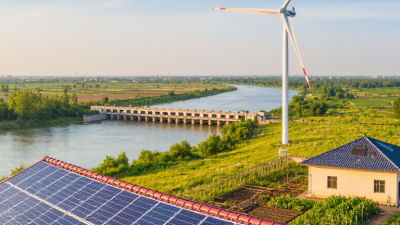
Choosing renewable energy begins with a site assessment, not a fashionable technology. Review annual electricity bills, interval data, roof condition, land availability, and local weather records. A warehouse with a broad, unshaded roof may suit solar panels, while a windy coastal site may support turbines. Small spaces can still use solar canopies or ground-mounted systems. Measure the resource carefully.
Solar output changes with clouds, seasons, panel angle, and shading. Wind projects require long-term wind-speed data, setback checks, noise studies, and maintenance access. Hydropower depends on reliable flow, ecological limits, and water permits. Organic waste can support biogas, but feedstock supply must remain stable throughout the year. Heat pumps deserve attention when a business needs heating or cooling rather than electricity alone. They work best with suitable insulation and low-temperature distribution systems.
Technology selection should match operational demands. Compare expected output, storage needs, installation disruption, lifespan, insurance, and disposal requirements. Battery storage can reduce peak charges and improve resilience, yet it adds fire protection and replacement considerations. Request independent performance estimates and examine the assumptions behind them. A spreadsheet may show an attractive payback, but grid fees and financing costs can change it quickly. I have seen projects overestimate production because they ignored winter shading and short maintenance shutdowns. That mistake is avoidable. Keep a contingency budget, document uncertainties, and test one smaller installation when site data remains weak.
Assessing available renewable energy sources and technologies through median lifecycle greenhouse-gas emissions.
Lower values indicate lower lifecycle emissions, including equipment manufacturing, construction, operation, and end-of-life stages. Wind and hydropower generally have the lowest median emissions, while biomass varies considerably depending on feedstock and land-use practices.
Source: Intergovernmental Panel on Climate Change, AR5 Working Group III, Annex III. Values are median lifecycle emissions in grams of CO₂-equivalent per kilowatt-hour.
Comparing costs, benefits, and environmental impacts requires more than checking electricity prices. Solar power often offers predictable maintenance and works well on warehouses with unused roofs. However, output falls on cloudy days and disappears at night. Wind energy can produce power overnight, but suitable sites need steady wind, grid access, and community support. Geothermal systems provide stable generation, yet drilling costs can be high and local geology limits their use.
A reliable comparison should include installation, financing, maintenance, replacement, insurance, and storage costs. Ask for production estimates based on local weather, not national averages. In one practical assessment, a cheaper solar proposal became less attractive after grid upgrades and battery costs were added. That changed the decision. Cash flow matters too. A system with lower lifetime costs may still strain a small company’s budget during its first year.
Environmental performance also deserves careful measurement. Solar panels require minerals and land, while wind projects can affect birds, habitats, and nearby residents. Hydropower may alter river ecosystems, and biomass emissions depend heavily on its fuel source. Use lifecycle assessments that include manufacturing, transport, operation, and disposal. Keep records of actual energy production after installation. Forecasts are useful, but imperfect. Review them annually, and question results that look unusually optimistic. A balanced choice protects operating costs, resilience, and the surrounding environment.
Choosing renewable energy for a business starts with the site, not the technology. Measure solar exposure, wind speed, roof strength, shading, drainage, and available land. A shaded roof may produce less than expected, despite attractive forecasts. IRENA reported 473 gigawatts of renewable capacity additions worldwide in 2023, but local conditions still determine project value. Collect at least one year of electricity bills and interval load data. Small errors become expensive.
Regulations can change the project timeline. Check zoning rules, environmental permits, fire standards, construction limits, and renewable incentive requirements. Review whether your business can export surplus electricity. Some jurisdictions limit exports or require additional protection equipment. The International Energy Agency estimates that global grid investment must reach about 600 billion dollars annually by 2030. Delayed approvals and unclear responsibilities can undermine an otherwise sound project. No screening method is perfect.
Grid compatibility deserves technical testing before equipment is ordered. Ask the utility about feeder capacity, voltage limits, fault levels, protection settings, and interconnection costs. Battery systems may reduce peak demand, but they also add control and safety requirements. The U.S. National Renewable Energy Laboratory reported more than 2,600 gigawatts of generation and storage waiting in interconnection queues at the end of 2023. That figure signals congestion, not guaranteed access. Obtain a written grid study, compare several operating scenarios, and leave room for uncomfortable revisions.
Choosing renewable energy for a business starts with evidence, not enthusiasm. Measure the load first. Review twelve months of electricity bills and half-hourly demand data. Separate daytime consumption from evening peaks. A warehouse may suit solar power, while a hotel may need storage or a mixed system. The IEA’s Renewables 2024 report states that global renewable capacity additions reached almost 510 gigawatts in 2023, nearly 50% above 2022 levels. This growth improves availability, but it does not remove local grid limits.
Compare technologies against your operating pattern, roof area, land access, budget, and outage risks. Rooftop solar can reduce daytime purchases, but shading and seasonal output require careful modelling. Wind power needs dependable wind data and sufficient space. Batteries can shift cheap electricity into peak hours, although replacement costs must be included. IRENA’s Renewable Power Generation Costs in 2023 reported that 81% of newly commissioned utility-scale renewable projects produced power more cheaply than fossil-fuel alternatives. Local results still vary.
Implementation should begin with an independent feasibility study. Specify energy yield, degradation, maintenance, safety, and disposal responsibilities in measurable terms. Install interval meters before construction. Then compare the forecast with actual monthly performance. Weather will disappoint you. A useful plan includes backup capacity, staff training, and a review after the first operating year. Some assumptions will be wrong; treating them as permanent is the real mistake.
| Renewable Energy Source | Typical Capacity Factor | Indicative Levelized Cost of Electricity | Lifecycle Greenhouse Gas Emissions | Generation Profile | Commercial Readiness | Space and Site Requirements | Key Advantages for Businesses | Main Limitations and Risks | Suitable Business Applications | Implementation Considerations |
|---|---|---|---|---|---|---|---|---|---|---|
| Solar Photovoltaic | 10%–30%, depending mainly on solar resource and system design | Approximately US$25–100/MWh for utility-scale projects; commercial rooftop systems may differ because of installation and financing costs | Approximately 20–50 g CO₂e/kWh over the lifecycle | Variable; produces electricity during daylight hours and follows seasonal solar availability | Very high | Rooftops, parking canopies, façades, or available land; shading and roof condition must be assessed | Scalable, modular, relatively quick to install, low operating requirements, and well suited to reducing daytime grid purchases | Output falls at night and during poor weather; may require storage, grid imports, or flexible loads | Warehouses, offices, retail facilities, schools, factories, farms, and logistics sites with daytime electricity demand | Review roof load capacity, orientation, shading, electrical interconnection, fire access, warranties, and expected self-consumption |
| Onshore Wind | 25%–50%, depending on wind speed, turbine technology, and site quality | Approximately US$25–75/MWh for favorable utility-scale projects | Approximately 8–20 g CO₂e/kWh over the lifecycle | Variable, but production can occur day and night; wind patterns may complement solar generation | Very high | Requires a strong wind resource, turbine setbacks, transport access, and substantial land around the turbines; most land can often remain available for agriculture | Low operating emissions, competitive costs in suitable locations, and potentially strong production outside daylight hours | Permitting, visual impact, noise concerns, wildlife considerations, transmission constraints, and long development timelines | Large industrial users, energy-intensive operations, and businesses able to participate in off-site power purchase agreements | Conduct wind-resource measurements, grid studies, environmental assessments, community engagement, and long-term contract reviews |
| Offshore Wind | 35%–60%, depending on offshore wind conditions and project design | Approximately US$70–180/MWh; costs vary substantially by water depth, distance from shore, and infrastructure | Approximately 10–25 g CO₂e/kWh over the lifecycle | Variable, with generally stronger and more consistent wind than many land-based sites | High, but infrastructure-intensive | Requires suitable coastal waters, ports, subsea cables, marine surveys, and grid landing capacity | High potential output, strong resource quality, and reduced competition for onshore land | High capital requirements, complex marine permitting, supply-chain exposure, transmission needs, and maintenance challenges | Large electricity buyers seeking long-term renewable procurement through regional or utility-scale contracts | Assess contract structure, transmission availability, construction schedule, curtailment terms, and project-development risk |
| Hydropower | 30%–60%; reservoir projects may provide dispatchable generation | Approximately US$40–150/MWh for new projects, with wide regional variation | Approximately 4–30 g CO₂e/kWh, although some reservoirs can have higher emissions depending on site conditions | Dispatchable for many reservoir systems; run-of-river projects are more dependent on seasonal water flow | Very high | Requires suitable water resources, elevation differences, civil infrastructure, environmental approvals, and grid access | Potentially reliable output, long asset life, and the ability to support grid balancing and peak demand | Long development periods, high upfront costs, drought exposure, ecological impacts, and complex permitting | Businesses purchasing firm renewable electricity from existing regional generation or using long-term supply contracts | Evaluate water availability, drought scenarios, ecological obligations, reservoir management, transmission reliability, and contract firmness |
| Geothermal Energy | 70%–95% where high-quality geothermal resources are available | Approximately US$60–110/MWh for suitable new projects | Approximately 20–50 g CO₂e/kWh over the lifecycle, depending on resource and technology | Generally steady and dispatchable, providing baseload or flexible generation | High in suitable geological regions | Requires accessible geothermal heat, drilling locations, water management, and specialized subsurface assessment | High availability, small surface footprint relative to output, and low exposure to daily weather variations | Resource uncertainty, exploration and drilling risk, location limitations, mineral management, and potentially high early-stage costs | Industrial facilities, campuses, district energy systems, and businesses located in established geothermal regions | Use staged exploration, independent resource testing, reinjection planning, permitting reviews, and conservative production estimates |
| Biomass and Biogas | 50%–85%, depending on fuel availability and plant operating strategy | Approximately US$80–180/MWh, depending on feedstock, plant scale, and logistics | Approximately 20–230 g CO₂e/kWh; results depend heavily on feedstock origin, land-use effects, transport, and methane management | Dispatchable when fuel is stored and reliably supplied | High for established feedstocks | Requires a dependable sustainable feedstock, fuel storage, delivery access, emissions controls, and suitable plant infrastructure | Can provide controllable renewable power, use certain agricultural or organic residues, and support combined heat and power | Fuel price and supply risk, local air-quality requirements, transport emissions, sustainability concerns, and competing feedstock uses | Food processing, wastewater treatment, agriculture, forestry-residue operations, and facilities with continuous heat demand | Verify feedstock sustainability, methane leakage controls, chain-of-custody records, air permits, storage safety, and long-term supply contracts |
Note: Cost, capacity-factor, land, and emissions figures are indicative ranges based on commonly reported utility-scale and commercial project conditions. Actual results depend on geography, project size, financing, grid connection, technology, permitting, resource quality, and operating practices. A business should complete a site-specific technical, financial, regulatory, and lifecycle assessment before making an investment decision.