Why Is Clean Energy Important for Our Future?
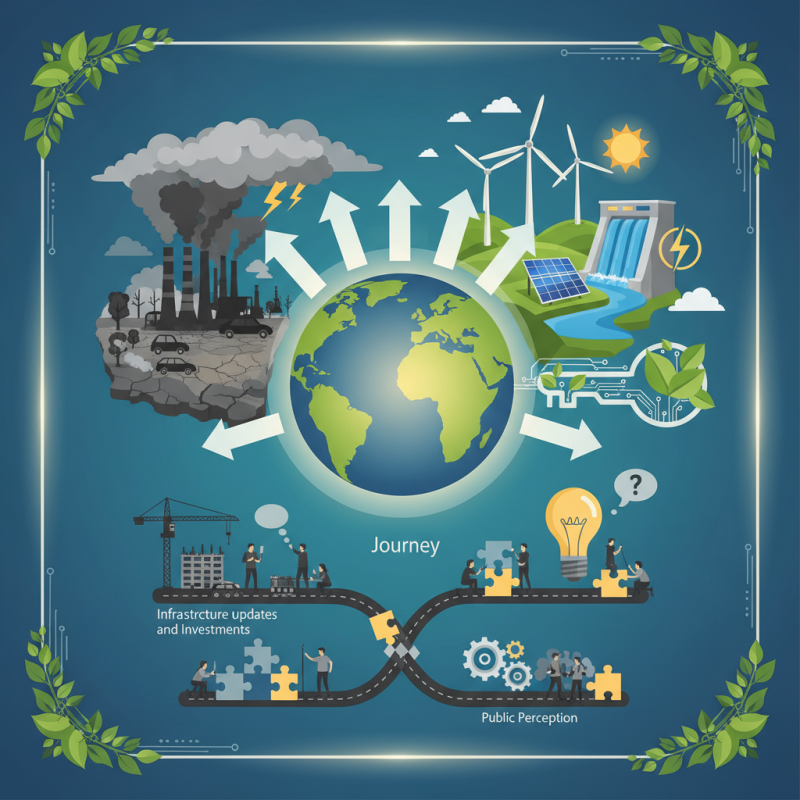
The shift to clean energy is not just a trend; it is essential for our future. Dr. Emily Johnson, a leading expert in renewable energy, emphasizes, “Clean energy is the key to a sustainable planet.” As the world grapples with climate change, transitioning to clean energy sources like wind, solar, and hydropower becomes critical.
Many regions rely heavily on fossil fuels, leading to severe pollution and environmental damage. The urgency for clean energy is evident in the changing climate patterns. Cities are facing more extreme weather events, underscoring the consequences of inaction. Yet, implementing clean energy solutions presents challenges. The infrastructure needs updates and investments are sorely needed.
Moreover, while the benefits of clean energy are clear, the path is not without hurdles. Public perception varies, and there’s a regeneration time for traditional energy sectors. The transition is a complex dance between innovation and traditions. Embracing clean energy is a journey, not just a destination. It requires collective effort and rethinking.
The Definition and Scope of Clean Energy
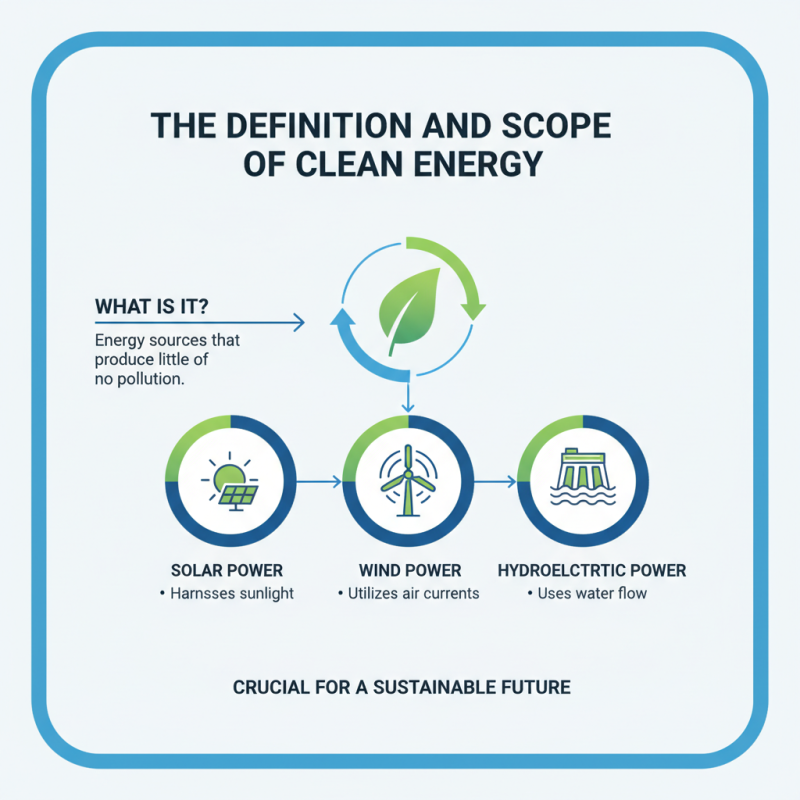
Clean energy is a crucial part of our future. It refers to energy sources that produce little to no pollution. These sources include solar, wind, and hydroelectric power. Each has unique benefits. For instance, solar energy harnesses sunlight, and wind energy utilizes air currents.
The scope of clean energy is vast. It encompasses not only production but also consumption. Transitioning to clean energy can reduce our reliance on fossil fuels. Yet, the challenge lies in infrastructure and technology. Many regions still depend on traditional energy sources. A shift requires investment and education.
Each clean energy source has its complexities. Solar panels need space, and wind turbines can disrupt wildlife. Not every community can easily access these resources. Therefore, we must explore sustainable solutions that consider local environments. This will ensure a balanced approach to our growing energy needs.
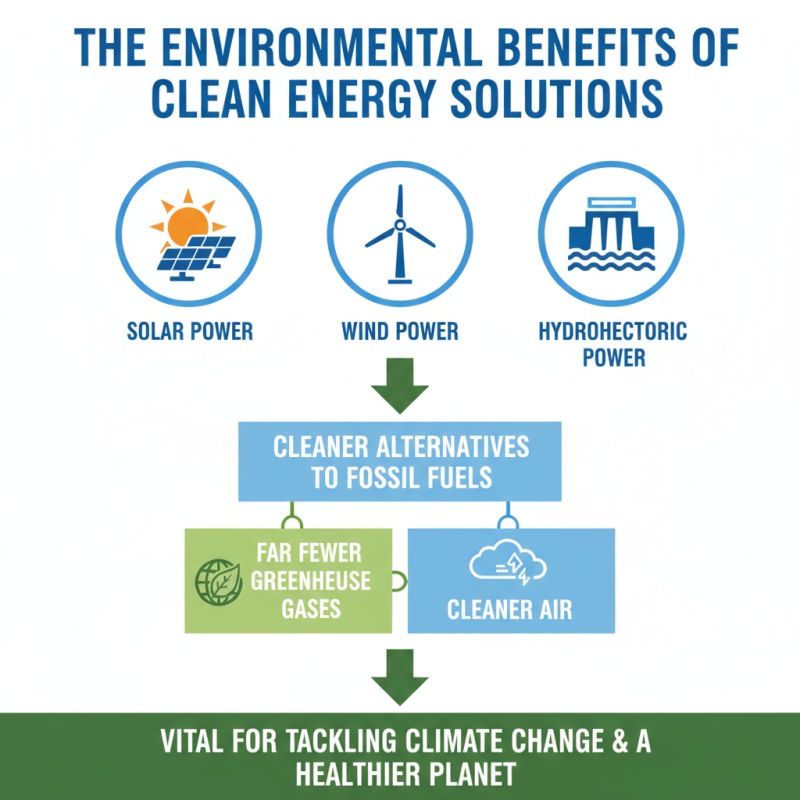
The Environmental Benefits of Clean Energy Solutions
Clean energy plays a crucial role in reducing environmental impact. Solar, wind, and hydroelectric power provide cleaner alternatives to fossil fuels. These sources emit far fewer greenhouse gases. This shift is vital for tackling climate change. Each renewable energy project contributes to cleaner air and a healthier planet.
Using clean energy also reduces water pollution. Traditional energy sources often contaminate local waterways. In contrast, renewable resources minimize harmful runoff and ecosystem degradation. By protecting natural habitats, we ensure biodiversity. It’s an important aspect of maintaining ecological balance.
Tips: Consider local initiatives that promote clean energy. Join community solar programs or invest in energy-efficient appliances. Small actions lead to significant impacts. Staying informed about local energy policies can help drive change. Remember, every bit counts towards a cleaner future.
Economic Impacts of Transitioning to Clean Energy Sources
The transition to clean energy is not just an environmental necessity; it also drives economic growth. According to a report from the International Renewable Energy Agency (IRENA), the renewable energy sector could create 24 million jobs by 2030. This growth isn’t limited to new positions. Existing jobs in traditional energy fields can transition into roles in clean energy.
However, challenges remain. Many current energy workers may lack the training required for renewable jobs. Upskilling programs are essential for a smooth transition. A study by the International Energy Agency (IEA) reveals that investing in education and training can yield a return of over $2 for every dollar spent. This indicates a clear economic incentive.
Moreover, the shift to clean energy can stabilize energy prices in the long run. A report from Lazard suggests that the cost of solar energy has dropped by 88% since 2010. While initial investments in clean technologies can be high, the commitment to green energy ultimately pays off. But, there are concerns too. Not all regions have equal access to renewable resources. It's crucial to address this inequality to ensure that economic benefits are distributed fairly.
Technological Innovations Driving Clean Energy Adoption
Technological innovations are changing the landscape of clean energy.
Solar panels are becoming more efficient.
Wind turbines are being designed to capture more energy.
These advancements are crucial for reducing our carbon footprint.
However, challenges remain. Many communities lack access to clean energy solutions. Some technologies are still too expensive for widespread use.
While electric vehicles are gaining popularity,
charging infrastructure is often inadequate. This highlights the need for further innovation.
Energy storage technology is a key area for development.
Batteries are improving but still face issues like limited lifespan.
Renewable energy sources are often intermittent, and better storage solutions can bridge this gap.
Enhancing grid systems is also vital to distribute energy effectively.
The road to clean energy is complex, demanding constant reflection and action.
The Role of Government Policies in Promoting Clean Energy
Government policies play a crucial role in advancing clean energy initiatives. They can provide the necessary support and framework for innovation. For instance, incentives and subsidies can encourage companies to invest in renewable technologies. This can lead to more job opportunities and economic growth. Yet, the implementation of these policies often faces challenges.
Many regions lack consistent support for clean energy. The fluctuating political climate can disrupt funding and projects. In some areas, community resistance to change can stall initiatives. Moreover, policies need to be updated regularly to keep up with technological advances. Rigid regulations can hinder progress, making it harder for new ideas to flourish.
Public awareness is another vital aspect. Without informed citizens, policies may not achieve their intended impact. Education campaigns can help people understand the benefits of clean energy. Engaging communities is essential to build support for sustainable projects. Policymakers must actively seek public input and address concerns. This dynamic relationship can shape a sustainable future.
Importance of Clean Energy for Our Future
This chart illustrates the growth of renewable energy sources as a percentage of total energy production from 2010 to 2022. As government policies increasingly promote clean energy, the contribution of renewables to the energy mix has steadily increased, demonstrating the potential for a sustainable future.