Exploring Innovative Energy Projects That Shape a Sustainable Future
As the world grapples with the pressing challenges of climate change and energy security, innovative energy projects are paramount to shaping a sustainable future. According to the International Energy Agency (IEA), renewable energy sources are expected to account for nearly 80% of the global electricity generation by 2030, underscoring the critical role these projects play in transitioning toward cleaner energy. Additionally, a recent report by the World Economic Forum highlights that investments in renewable energy projects could create 24 million jobs globally by 2030, reinforcing the economic benefits alongside environmental sustainability. In this context, digital technologies are revolutionizing energy project management and execution, enhancing efficiency, and driving strategic decision-making. This exploration of innovative energy projects reveals how they not only contribute to reducing carbon footprints but also foster sustainable economic growth, making them a cornerstone of future energy strategies.
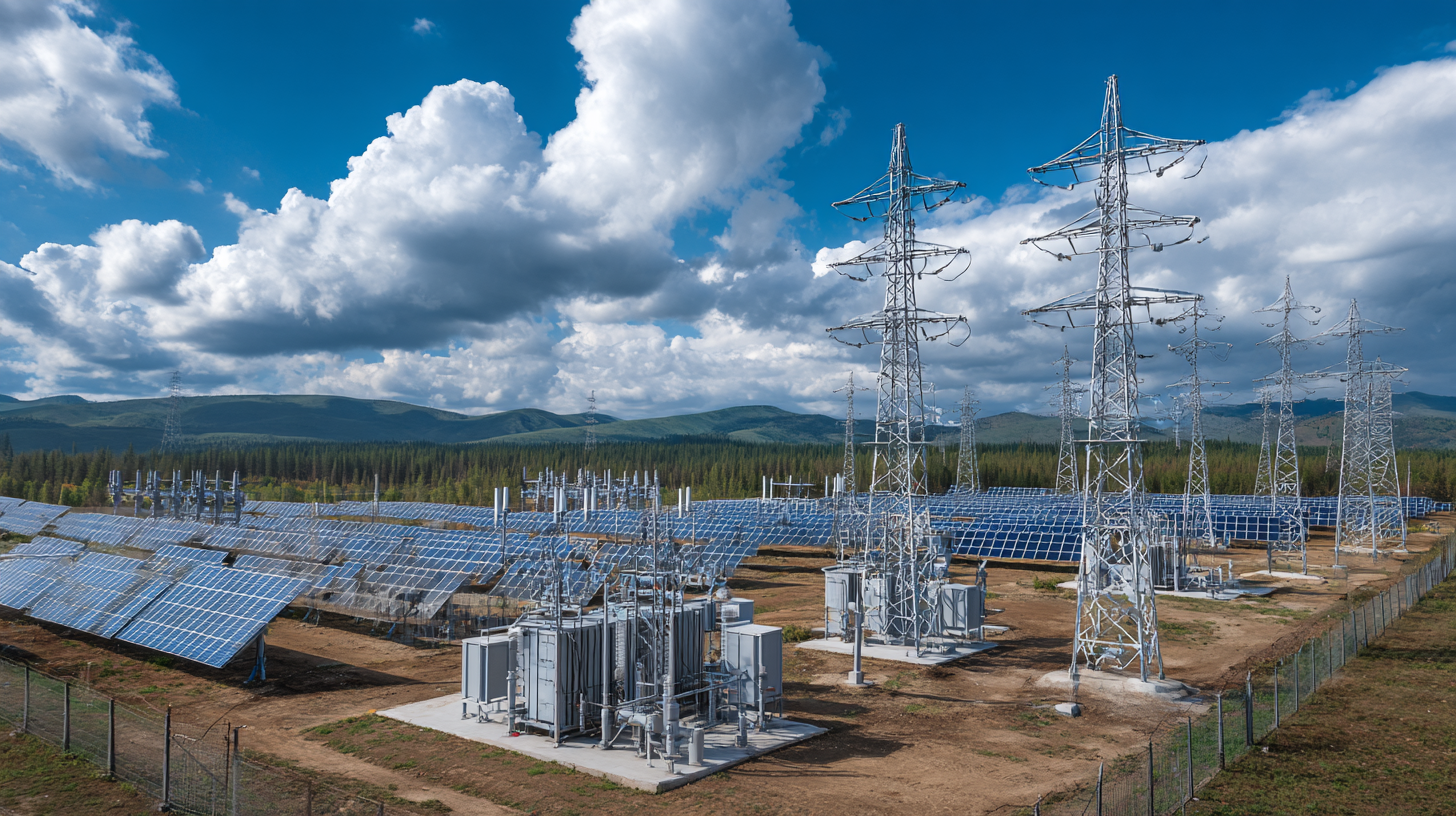
Innovative Energy Solutions: Harnessing Solar Power for a Greener Tomorrow
The global market for transparent solar panels is projected to reach $89.88 million by 2032, boasting a remarkable compound annual growth rate (CAGR) of 18.40% during this forecast period. This surge signals an increasing recognition of innovative solar technologies as viable solutions for sustainable energy consumption. Companies are joining forces to foster advancements in photovoltaic technologies, exemplified by the recent strategic partnership between a leading firm and a prestigious Australian university aimed at pushing the boundaries of solar power applications.
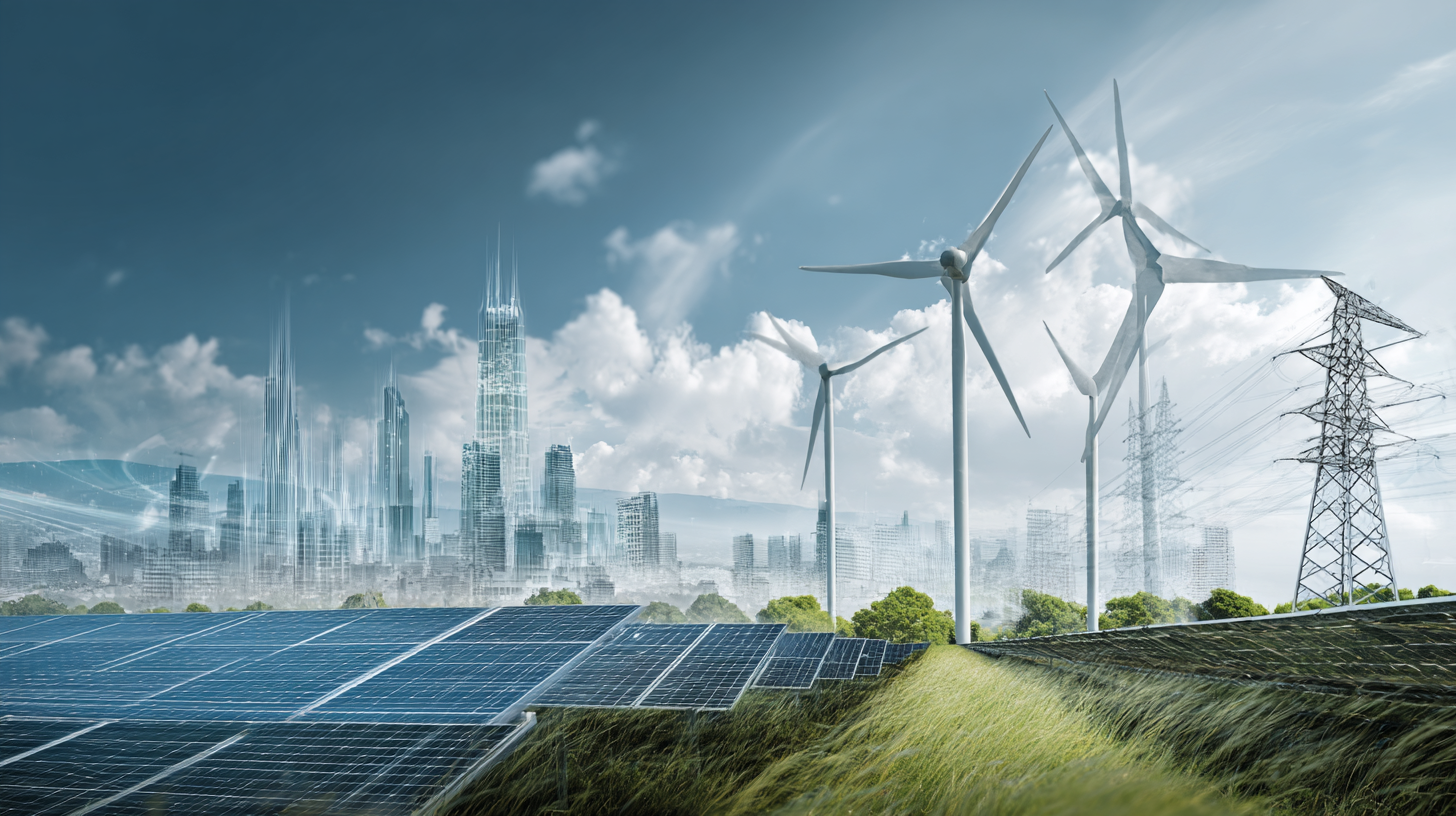
As countries worldwide actively pursue clean energy transitions, Canada stands out with its steadfast commitment to green initiatives, featuring major players leveraging renewable resources. The emphasis on sustainable energy solutions, including advancements in solar power, highlights the trend towards reducing carbon footprints and fostering environmentally-friendly practices. The recent accolades for projects utilizing entirely solar-powered technology further underline the industry's trajectory towards a greener tomorrow. As the energy landscape evolves, these innovative energy projects are shaping a sustainable future, proving that commitment to clean energy can create significant impacts on both an economic and environmental scale.
Advancements in Wind Technology: Driving Efficiency in Renewable Energy Generation
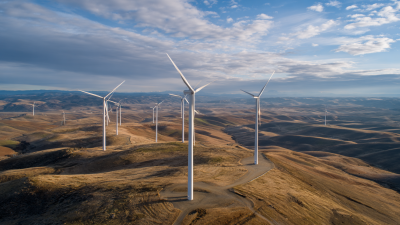
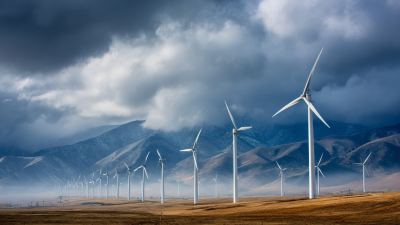
Recent advancements in wind technology are playing a pivotal role in enhancing the efficiency of renewable energy generation. As the global energy crisis deepens, the demand for clean energy solutions such as wind power has surged. Innovations in turbine design, materials, and aerodynamics are allowing for increased energy capture and reduced operational costs. These advancements not only improve the viability of wind farms but also contribute to a more robust energy grid that can accommodate the growing power needs of AI and 5G technologies.
Moreover, the integration of wind energy with storage solutions is crucial for realizing a sustainable energy future. This synergy promotes energy reliability, addressing the intermittency issues that have historically hindered wind's effectiveness. As we harness these technologies, the collaboration between renewable sources like wind and solar, coupled with advanced battery systems, sets the groundwork for a cleaner, more efficient energy landscape. This transformation is vital for reducing our reliance on fossil fuels and supporting the global transition toward a greener economy.
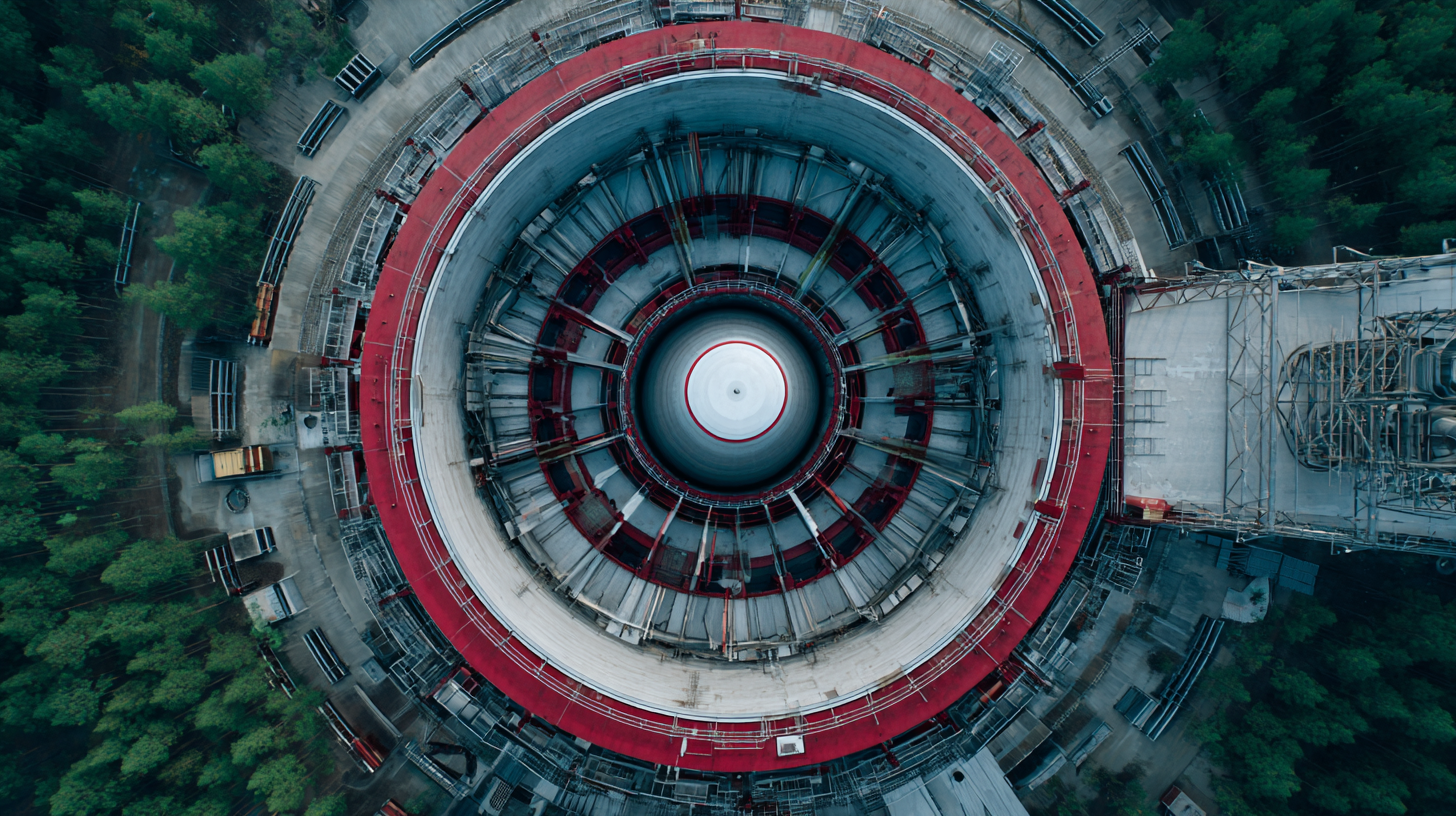
The Role of Energy Storage Systems in Enhancing Grid Stability and Sustainability
The role of energy storage systems in enhancing grid stability and sustainability has become increasingly crucial in the context of a global shift towards renewable energy sources. As the reliance on intermittent renewable resources such as wind and solar power escalates, innovative energy storage solutions are emerging as key enablers for seamless energy management. Advanced energy storage systems, including battery technologies, are not only essential for storing excess energy generated during peak production but also for providing reliable energy supply during low generation periods. A strategic design approach can help maximize the efficiency and sustainability of these systems, contributing significantly to overall grid stability.
Recent developments highlight the momentum building within the energy storage sector. Notably, the establishment of one of the world's largest grid-scale energy storage projects is set to drastically bolster energy capacity in the region while advancing national sustainability goals. Such initiatives signify a pivotal step towards integrating renewable energy into mainstream power systems; they allow for the efficient balancing of supply and demand, curbing energy waste, and enhancing energy security. Additionally, real-time data mapping tools are making strides in sustainability assessments, providing valuable insights for optimizing energy storage solutions across Europe and beyond. With continued innovation and investment, the link between energy storage systems and a resilient, sustainable energy grid will undoubtedly strengthen in the coming years.
Exploring Biogas Projects: Turning Waste into a Valuable Energy Resource
Biogas projects represent a transformative approach in the journey toward sustainable energy. By converting organic waste into biogas, these initiatives not only address waste management issues but also harness a renewable energy source. Through anaerobic digestion, microorganisms break down organic materials—such as food scraps, agricultural residues, and sewage—releasing methane gas, which can be used for heating, electricity generation, and even as a vehicle fuel. This process helps reduce greenhouse gas emissions while providing communities with a sustainable energy option.
Moreover, biogas projects promote a circular economy by turning waste into valuable resources. For instance, the digestate produced after biogas extraction can be utilized as a nutrient-rich fertilizer, enhancing soil health and supporting agricultural productivity. This dual benefit underscores the potential of biogas to contribute to environmental sustainability and energy independence. As awareness grows and technology advances, more regions are likely to adopt biogas initiatives, paving the way for a greener future while effectively managing waste.
Smart Grids: Revolutionizing Energy Distribution for a Sustainable Future
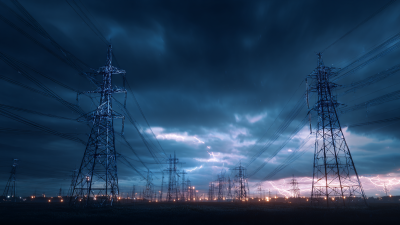
Smart grids represent a transformative leap in energy distribution, playing a crucial role in the transition to a sustainable future. By integrating digital technologies with traditional electrical grids, smart grids enhance the efficiency and reliability of energy supply. They enable real-time monitoring and management of energy flows, allowing for greater responsiveness to demand fluctuations. This dynamic approach reduces energy waste while promoting the use of renewable energy sources, which are often variable and less predictable.
Moreover, smart grids empower consumers by facilitating the integration of smart appliances and energy management systems. Homeowners can monitor their energy consumption in real time, shifting usage to off-peak hours or utilizing stored energy from renewable sources like solar panels. This not only leads to cost savings but also contributes to a more resilient and decentralized energy landscape. As communities embrace smart grids, they can create a more sustainable energy ecosystem that fosters innovation, enhances energy security, and significantly lowers carbon emissions, ultimately paving the way for a greener future.
Energy Distribution Efficiency in Smart Grids
This chart illustrates the energy distribution efficiency of smart grid technology compared to traditional energy distribution methods over a five-year span. As smart grids are implemented, we can observe a significant improvement in energy efficiency.