Top Wind Energy Project Suppliers Worldwide?

The global wind market is no longer shaped by turbine size alone. A successful wind energy project depends on engineering depth, supply-chain resilience, grid access, financing, and long-term maintenance. Suppliers such as Vestas, Siemens Gamesa, GE Vernova, Goldwind, Envision, Nordex, and Enercon compete across different regions and project types. Their strengths are not identical.

Giles Dickson, former CEO of WindEurope, described wind as “Europe’s home-grown energy source: clean, competitive, and available in abundance.” His statement captures the sector’s promise, but it does not remove its practical difficulties. A 15-megawatt offshore turbine may reduce foundation numbers, yet it can demand larger vessels, stronger ports, and more complex repairs. Onshore projects face different pressures, including land use, transport routes, noise concerns, and local acceptance.

This guide examines the top wind energy project suppliers worldwide through a practical lens. It considers turbine reliability, project delivery experience, offshore capability, digital monitoring, service coverage, and financial stability. Public rankings can be useful. They can also mislead. Market share may reflect one unusually large contract or temporary regional demand.

Real project conditions matter more. A supplier with excellent offshore technology may not suit a remote inland site. A lower-priced turbine may create higher maintenance costs later. These comparisons therefore require caution, updated evidence, and attention to local conditions. The strongest supplier is not always the largest one. Sometimes, it is the partner that delivers consistently when weather, logistics, and budgets become difficult.
Top Wind Energy Project Suppliers Worldwide?

What Wind Energy Project Suppliers Provide

Top Wind Energy Project Suppliers Worldwide?

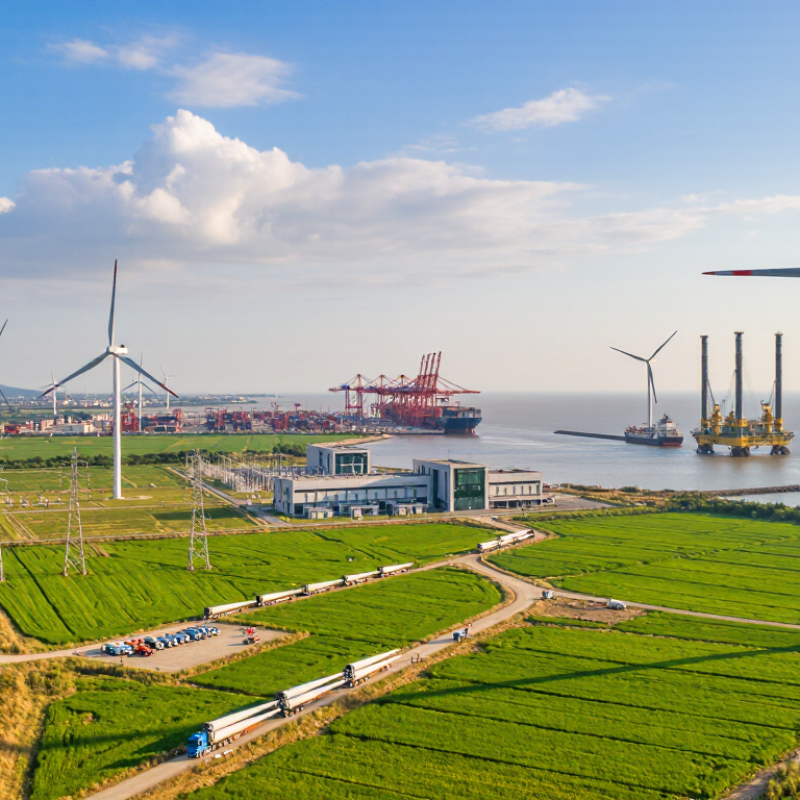
Wind energy project suppliers provide far more than turbines. They support a project from early surveys to long-term operation. Their teams assess wind speed, turbulence, terrain, grid capacity, and local access routes. Engineers then recommend suitable turbine sizes, tower heights, foundations, and electrical systems. Reliable suppliers also provide transport planning, installation crews, commissioning, and safety procedures. These details matter on remote sites, where a delayed crane can disrupt an entire schedule.

They also supply monitoring systems, operating software, spare parts, and maintenance programs. Clear technical drawings and training help local teams manage daily inspections. Suppliers should explain warranty limits, service response times, and expected energy output in plain language. Independent performance records can strengthen those claims. Still, forecasts are not perfect. Soil conditions may differ from surveys, and harsh weather can change maintenance needs. Good suppliers admit these risks instead of hiding them.

Tips: Request a complete scope of supply before signing. Check references from similar terrain and project size. Compare estimated output with measured wind data. Ask who handles grid testing, transport damage, and replacement parts. Keep every assumption documented. Small gaps become expensive later. A practical supplier also visits the site, listens to operators, and adjusts the plan when evidence changes. That flexibility often matters more than an impressive sales presentation.
How Wind Energy Suppliers Are Classified Worldwide

Wind energy suppliers worldwide are classified by their role in the project supply chain. Turbine manufacturers provide complete systems, including blades, nacelles, towers, and control software. Component suppliers produce generators, bearings, cables, converters, and foundation materials. Engineering, procurement, and construction contractors manage site preparation, transport, installation, and grid connection. Service suppliers handle inspections, spare parts, repairs, and long-term performance monitoring.

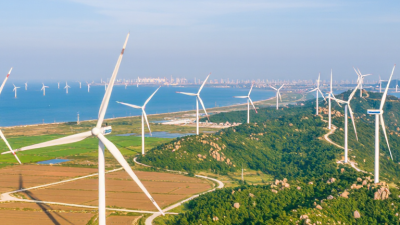
Project scale creates another useful classification. Utility-scale suppliers support large wind farms with high-capacity turbines and specialized vessels. Distributed-energy suppliers serve farms, factories, communities, and remote facilities with smaller systems. Geographic conditions also matter. Onshore projects require road access, soil studies, and careful noise planning. Offshore projects demand corrosion-resistant equipment, seabed surveys, marine logistics, and stronger weather controls. A supplier experienced on land may not be ready for offshore work.

Ownership and market reach offer further distinctions. Some suppliers operate across several continents, while regional firms understand local labor, ports, weather, and permitting practices more closely. Buyers often assess suppliers through production capacity, safety records, quality systems, warranty terms, and documented project experience. Independent testing and transparent technical data strengthen reliability.

The categories overlap. A contractor may also provide maintenance. A component maker may design custom equipment. This makes comparison harder than a simple ranking. I have seen attractive proposals hide weak service coverage. That deserves scrutiny. Delivery schedules, replacement-part access, and clear responsibility during failures can matter more than impressive specifications. Supplier classification should reflect actual capability, not only company size or project volume.

Top Wind Energy Project Suppliers Worldwide? - How Wind Energy Suppliers Are Classified Worldwide

A practical classification of the main supplier groups supporting onshore and offshore wind projects.

Supplier Classification Core Products or Services Main Project Stage Typical Market Coverage Typical Contract Structure Key Selection Criteria
Wind Turbine System Suppliers Complete turbine systems, rotor blades, nacelles, generators, control systems and commissioning support. Technology selection, procurement, installation and commissioning. Global; especially active in Asia-Pacific, Europe and North America. Turbine supply agreement, often combined with a long-term service agreement. Levelized cost of energy, power curve, reliability, availability warranty, local service capability and grid compliance.
Offshore Wind Package Suppliers Offshore turbines, subsea cables, foundations, offshore substations, installation engineering and marine logistics. Front-end engineering, fabrication, offshore construction and energization. North Sea, Baltic Sea, China, Taiwan, South Korea and the United States. Multi-package engineering, procurement, construction and installation contracts. Vessel availability, weather risk management, water-depth capability, installation productivity and interface control.
Component and Subsystem Suppliers Bearings, gearboxes, generators, converters, blades, towers, castings, forgings and hydraulic systems. Design integration, manufacturing and replacement-part supply. Global manufacturing networks, with major production bases in Asia-Pacific and Europe. Framework supply agreements, unit-price contracts and qualified-vendor arrangements. Material quality, fatigue performance, traceability, production capacity, delivery reliability and compatibility with turbine platforms.
Engineering, Procurement and Construction Contractors Civil works, roads, foundations, electrical balance of plant, erection, testing and project integration. Construction and delivery of the complete wind-farm balance of plant. Strong presence in mature utility-scale markets and countries with established infrastructure contractors. EPC, balance-of-plant, design-and-build or split-package construction contracts. Cost certainty, construction schedule, safety record, geotechnical capability, subcontractor management and liquidated-damages terms.
Foundation and Structural Suppliers Onshore reinforced-concrete foundations; offshore monopiles, jackets, floating platforms and transition pieces. Geotechnical design, structural engineering, fabrication and installation. Onshore worldwide; offshore concentrated in European and East Asian coastal markets. Design-and-supply, fabrication-only, or engineering-procurement-installation packages. Site conditions, water depth, steel and concrete intensity, corrosion protection, port access and installation equipment.
Electrical and Grid-Connection Suppliers Medium- and high-voltage equipment, transformers, substations, export cables, protection systems and grid-control solutions. Electrical design, grid studies, construction, testing and energization. Global, subject to national grid codes and utility procurement rules. Equipment supply, electrical balance-of-plant, turnkey substation or cable contracts. Grid-code compliance, transmission losses, fault-ride-through performance, protection coordination and certification.
Development and Owner’s Engineering Suppliers Resource assessment, permitting, land or seabed studies, energy-yield analysis, technical due diligence and tender management. Early-stage development, financing support and independent project review. Worldwide, with services adapted to local planning, environmental and maritime regulations. Consulting agreements, owner’s-engineer mandates and success-fee or milestone-based arrangements. Bankability, permitting expertise, measurement quality, uncertainty analysis and independence from equipment vendors.
Operations, Maintenance and Life-Cycle Service Providers Scheduled maintenance, corrective repair, remote monitoring, spare parts, blade inspection and major-component replacement. Commercial operation, performance optimization and asset life extension. Global; service coverage follows installed turbine fleets and local technician availability. Full-service agreement, availability-based contract, fixed-price maintenance or time-and-materials model. Guaranteed availability, response time, spare-parts logistics, safety performance, data analytics and total life-cycle cost.
Market context: Wind-project supply chains are commonly evaluated by equipment scope, geographic reach, project phase, technology specialization and contractual responsibility. Onshore projects generally use larger local civil and electrical supply networks, while offshore projects require additional marine, foundation, subsea-cable and offshore-installation capabilities.
Reference framework: Classification aligned with terminology and market coverage commonly used in global wind-industry reporting by the Global Wind Energy Council, the International Energy Agency, the International Renewable Energy Agency and national grid authorities.

Leading Global Suppliers of Wind Energy Projects

Leading global suppliers of wind energy projects do more than deliver turbines. They coordinate engineering, transport, construction, grid connection, and long-term maintenance. Their strongest advantage is project integration. A reliable supplier can manage blade deliveries, port schedules, crane capacity, and changing weather windows without losing control of costs.

Experience becomes visible on site. Teams must understand local wind conditions, soil reports, aviation limits, and community concerns. They should provide clear performance data, realistic production forecasts, and documented safety procedures. Independent certifications and verified project references also matter. A supplier with experience across Europe, Asia, Africa, and the Americas may adapt faster to different regulations and supply chains.

Small details reveal professional quality. Can the team replace a damaged cable quickly? Are spare parts stored near the service area? Does the monitoring system identify abnormal vibration before failure? These questions deserve precise answers. No supplier is flawless. Even advanced planning can miss a delayed vessel or an unusually weak wind season. That is why strong contracts include measurable guarantees, transparent reporting, and practical contingency plans. Local technicians should receive proper training, not just manuals. Long-term trust grows from daily evidence: clean documentation, honest forecasts, and equipment that performs through storms, cold mornings, and difficult maintenance conditions.

Regional Distribution of Major Wind Energy Suppliers

Regional Distribution of Major Wind Energy Suppliers

Wind energy suppliers are distributed unevenly across manufacturing, construction, and project development markets. The Global Wind Energy Council reported 117 gigawatts of new wind capacity in 2024. Asia-Pacific represented most additions, led by large-scale expansion in China and India. This concentration reflects strong domestic demand, established component factories, and extensive port infrastructure.

Europe remains influential in offshore wind engineering, grid integration, and specialized foundations. Its projects often require complex seabed surveys and high-voltage export systems. North America has a sizeable project market, supported by land-based wind development and regional manufacturing incentives. However, permitting delays and transmission constraints can slow supplier deployment.

IRENA’s Renewable Capacity Statistics 2025 recorded global wind capacity above 1,100 gigawatts by the end of 2024. The figure confirms wind’s industrial scale, but regional supplier strength is harder to measure. Some manufacturers serve several continents through local assembly plants. Others rely on imported blades, generators, or control systems. That difference matters during procurement.

Supply concentration creates efficiency, but it also creates exposure. A delayed bearing shipment can leave a turbine idle beside a completed access road. Report figures may also differ slightly because reporting dates and definitions vary. Buyers should compare factory capacity, service networks, port access, and verified delivery records. Cheap equipment is not always the lowest-cost option.

How to Evaluate and Compare Wind Energy Project Suppliers

Top Wind Energy Project Suppliers Worldwide?

How to Evaluate and Compare Wind Energy Project Suppliers

Comparing wind energy project suppliers requires more than checking turbine prices. Examine their complete project record, including design, transport, installation, commissioning, and maintenance. Ask for evidence from projects with similar wind conditions and grid requirements. Site evidence matters.

Site evidence matters.

Review energy estimates against independent wind studies, not supplier promises alone. Compare expected annual energy, availability, noise performance, and degradation assumptions. A lower purchase price may hide higher foundation, crane, or grid connection costs. Use lifecycle cost calculations over twenty years. Numbers can mislead.

Assess technical support, spare-parts access, cybersecurity controls, and emergency response times. Request clear warranty limits and service obligations. Check audited financial information and verified safety performance. Speak with project owners about delays, communication, and defect handling. Their experience often reveals more than a polished presentation. Ask for proof.

Ask for proof.

Weather resilience deserves close attention. Coastal salt, freezing temperatures, dust, and extreme winds can change maintenance needs. Suppliers should explain component testing and local adaptation. Contract terms must define delivery milestones, performance tests, liquidated damages, and data ownership.

My own comparisons have sometimes favored the most transparent supplier, not the cheapest one. Still, transparency does not guarantee execution. Independent engineering review remains valuable before signing. A supplier may provide excellent equipment but weak long-term service. That gap matters. Evaluate the people behind the proposal, the assumptions inside the model, and the support available after the turbines begin turning.