How to Plan and Execute Successful Energy Projects?
In the rapidly evolving landscape of energy projects, strategic planning and execution are crucial. Renowned energy consultant Dr. Emily Johnson emphasizes, "Successful energy projects require meticulous planning and stakeholder engagement." Her insights remind us that every project demands more than just technical expertise.
Energy projects often face unexpected challenges. Delays, budget overruns, and regulatory hurdles can jeopardize even the best-laid plans. Each phase must be assessed constantly. Engaging with local communities early can mitigate resistance and foster support. The need for continuous feedback is paramount.
Reflecting on past projects can reveal valuable lessons. Not all energy projects meet their objectives. Some fall short due to inadequate risk management. Acknowledging these imperfections allows for improvement. Insight and adaptation are key in navigating the complexities of energy projects.
Identifying Objectives and Goals for Energy Projects
When planning an energy project, defining clear objectives and goals is crucial. Start by determining what you want to achieve. This may involve reducing emissions, enhancing efficiency, or increasing energy access. Each objective should be specific and measurable. For instance, aiming for a 20% reduction in energy consumption within five years sets a clear target.
Engaging stakeholders early can refine these goals. Their insights may highlight diverse needs and constraints. If a community prioritizes renewable resources, adjust your objectives accordingly. Testing these goals during early phases can reveal gaps or unrealistic expectations. Regularly revisiting and adjusting targets ensures the project remains relevant.
Consider potential trade-offs. Increasing energy production might impact the environment. Balancing these factors requires thoughtful discussion and compromise. Keeping an open mind is essential. As you refine your project's objectives, reflect on past experiences. What worked? What didn’t? These reflections provide valuable lessons for future projects.
Assessing Feasibility: Technical, Financial, and Environmental Factors
Assessing the feasibility of energy projects involves several critical factors. Technical assessment requires evaluating technology reliability. Is the technology proven? Does it integrate well with existing systems? Understanding the tools available is crucial. Consider the potential risks too. Unforeseen technical hurdles can derail a project.
Financial analysis is equally vital. Budgeting for an energy project can be tricky. Unexpected costs often arise. It’s important to create a detailed financial model. This should include a risk assessment and potential funding sources. A lack of funding can threaten project viability. So, forecasting cash flow helps ensure stability.
Environmental factors should not be overlooked. Assess the site's ecological impact. Are there endangered species nearby? Will local communities be affected? Community engagement can spark necessary reflections. Ignoring community concerns may lead to delays. Balancing project goals with environmental responsibilities is essential in this process.
How to Plan and Execute Successful Energy Projects? - Assessing Feasibility
| Project Name |
Technical Feasibility |
Financial Feasibility |
Environmental Impact |
Overall Assessment |
| Solar Farm XYZ |
High |
Medium |
Low |
Feasible |
| Wind Farm ABC |
Medium |
High |
Medium |
Feasible |
| Biomass Energy Plant |
Low |
Low |
High |
Not Feasible |
| Hydroelectric Project 123 |
High |
Medium |
Medium |
Feasible |
| Geothermal Project Z |
Medium |
High |
Low |
Feasible |
Developing a Detailed Project Timeline and Budget Estimation
Creating a detailed project timeline and budget estimation is crucial for successful energy projects. Start by defining project milestones. Each phase should have specific deadlines. For example, initiate feasibility studies before moving to design. It helps to visualize progress. However, timelines can often shift, leading to frustration. Flexibility is key.
Budget estimation requires careful consideration of various factors. Break down costs into labor, materials, and permits. Prepare for unexpected expenses. Have a contingency fund ready. Sometimes, it’s easy to underestimate initial costs. Regularly review and adjust the budget. This will help avoid financial pitfalls later.
Communication among team members is vital. Each stakeholder should have access to the timeline and budget. Transparency reduces misunderstandings. Meetings should occur at regular intervals. However, they should not become repetitive; focus on progress updates. Every project has its unique challenges. Reflecting on setbacks is important. It helps in improving future project planning.
Project Budget and Timeline Breakdown for Energy Projects
Engaging Stakeholders and Securing Necessary Approvals
Engaging stakeholders is crucial in energy project planning. A report from the International Energy Agency shows that successful projects involve early consultations. Identifying key stakeholders like community leaders and local governments is essential. Their input can shape project outcomes and help address concerns.
Securing necessary approvals is another vital step. According to the Global Energy Statics Report, over 35% of projects fail due to inadequate regulatory compliance. Late approvals can stall progress and inflate costs. Simplifying the approval process may lead to smoother project execution. Each delay incurs financial risk, highlighting the need for transparent communication.
Navigating public sentiment is often challenging. Communities may resist projects due to environmental or social impacts. Engaging with them through outreach programs can build trust. Regular updates and forums can help demystify project goals. Addressing concerns proactively reduces resistance later. Balancing stakeholder interests is an ongoing process that requires reflection and adjustment.
Implementing Project Management Best Practices for Successful Execution
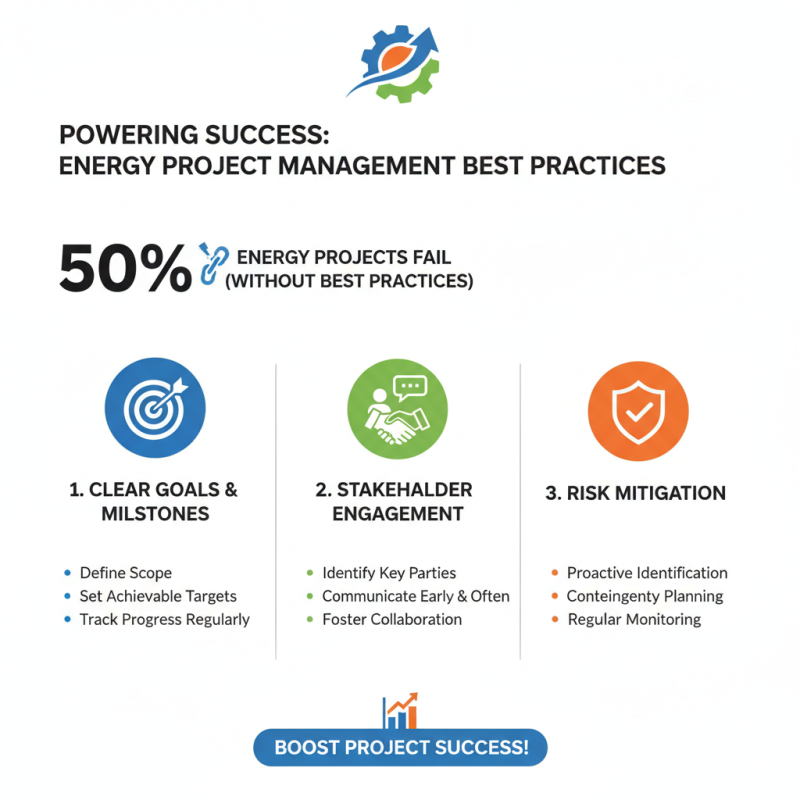
Successful execution of energy projects relies heavily on effective project management practices. Research indicates that project failure rates in this sector can exceed 50%. Adopting best practices can significantly mitigate this risk. For instance, defining clear goals and milestones aids in maintaining focus. When project managers engage stakeholders early, they can foster collaboration and address concerns proactively.
Incorporating Agile methodologies has shown promise in energy projects. A report from the Project Management Institute found that Agile projects are 28% more successful than traditional approaches. However, teams often struggle with adaptability. They may cling to rigid plans instead of responding to changing circumstances. Regular reflection sessions can help teams identify these gaps and improve their responses.
Data management can't be overlooked. Effective tracking of resources, timelines, and budgets is crucial. A survey revealed that 70% of energy project managers cite budget overruns as a major concern. Utilizing real-time data analytics can provide insights into performance and potential pitfalls. Despite these tools, many teams neglect consistent data updates, leading to misinformed decisions. Achieving project success requires acknowledging these imperfections and continuously striving for improvement.