Why Choose Renewable Energy Courses for Your Career Growth?
In today's rapidly changing job market, choosing the right path can make all the difference. One area gaining incredible traction is renewable energy courses. These programs equip individuals with essential skills for a sustainable future. Dr. Emily Chen, a leading expert in renewable energy education, states, "Investing in renewable energy education is not just beneficial; it's imperative for our future."
Renewable energy courses offer specialized knowledge in solar, wind, and other sustainable technologies. As industries shift towards greener practices, the demand for trained professionals rises. These courses provide practical insight, alongside theoretical foundations. Students learn to analyze real-world problems and design effective solutions. The hands-on experience can be invaluable.
However, it's crucial to select courses that align with your career goals. Not all programs are created equal. Researching and understanding what each course offers is key. Reflect on the challenges and opportunities these courses provide. In a field that demands constant innovation, continuous learning is essential. Engaging with renewable energy courses can be a transformative step for anyone wanting to thrive in this dynamic sector.
Benefits of Renewable Energy Courses for Career Advancement
The renewable energy sector is booming. A recent report by the International Renewable Energy Agency (IRENA) estimates that jobs in this field could exceed 24 million by 2030. This surge creates endless opportunities for individuals pursuing relevant courses in renewable energy. Strategies to harness solar, wind, and geothermal energy are evolving, demanding skilled professionals.
Renewable energy courses provide essential knowledge of these technologies. Moreover, they cultivate the ability to analyze and implement innovative solutions. According to the World Economic Forum, professionals with specialized skills in renewable energy increase their career prospects significantly. Companies are eager to hire individuals with formal training and certifications.
Tips: Always engage with industry professionals. Networking can lead to valuable resources and job prospects. Consider internships for hands-on experience. This practical exposure can complement your academic knowledge. Developing soft skills such as communication and teamwork is critical too. Many people overlook these skills, but they are often just as important as technical know-how.
Benefits of Renewable Energy Courses for Career Advancement
Growing Demand for Renewable Energy Professionals in Today's Job Market
The job market is changing rapidly.
Renewable energy professionals are in high demand. As industries shift towards sustainable practices, the need for skilled workers is crucial. Many sectors, including construction, engineering, and consulting, are seeking individuals with expertise in renewable energy. This shift creates numerous opportunities for career growth.
Tips for entering this field include networking with professionals.
Attend industry conferences and join online forums. These connections can lead to job opportunities. Consider taking specialized courses to build your skills. Learning about solar, wind, and other renewable technologies is beneficial. It’s essential to stay updated on market trends and innovative practices.
Remember, not every course might suit your career path. Research your options thoroughly before committing. Assess the qualifications of instructors and the relevance of the curriculum. Engage in discussions with alumni to gather insights.
Taking the time to evaluate your choices can significantly impact your future in the renewable energy sector.
Key Skills Acquired through Renewable Energy Education Programs
Renewable energy education programs provide essential skills for career advancement. These courses cover a range of topics, including solar, wind, and bioenergy technologies. Students often gain hands-on experience, which is vital in this field. Learning to design and implement energy systems is key. Knowledge of energy efficiency practices is also emphasized.
Analytical skills develop as students assess energy needs and solutions. Understanding environmental regulations is another critical area of focus. This knowledge ensures that future professionals can navigate compliance hurdles effectively. Additionally, many programs teach project management. This skill aids in coordinating renewable energy projects from start to finish.
Networking opportunities arise during these courses. Connecting with industry experts can lead to job prospects. However, the renewable energy field is constantly evolving. Students must be adaptable and willing to learn continuously. Challenges exist, particularly in keeping up with new technologies and regulations. Embracing
lifelong learning will ultimately define success in this industry.
Diverse Career Opportunities within the Renewable Energy Sector
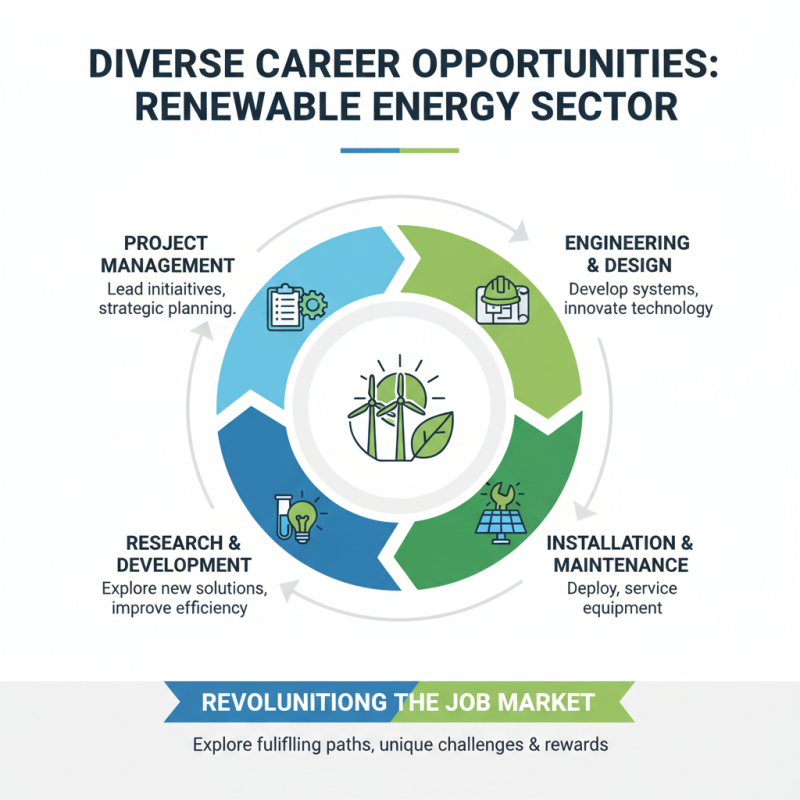
Renewable energy is revolutionizing the job market. The sector is diverse and filled with opportunities. Professionals with expertise in renewable energy can explore various paths. Jobs range from project management to engineering roles. Each position offers unique challenges and rewards.
One compelling aspect of this field is its rapid growth. With global climate goals pushing for cleaner energy, demand for skilled workers is surging. The industry is not just about solar panels or wind turbines. It encompasses energy efficiency, policy-making, and research sectors. As technology evolves, so do career options. Specialists are needed to innovate and improve existing solutions.
However, the renewable energy sector is not without its difficulties. The competition is fierce, and skills can quickly become outdated. Continuous learning is essential for success. Some may struggle with the technical skills required. Others may find it hard to keep pace with regulatory changes. Despite these challenges, the journey can be incredibly fulfilling. Embracing the uncertainties can lead to significant personal and professional growth.
Real-World Applications and Case Studies in Renewable Energy Courses
Renewable energy courses offer essential insights into practical applications in today’s world. Real-world case studies characteristically showcase successful projects, technology innovations, and policy changes. Students learn from these instances, understanding what works and what does not. This hands-on approach prepares them for challenges in the energy sector.
Many programs include fieldwork, where students can witness renewable energy solutions in action. They visit solar farms, wind parks, and other installations. Such experiences enhance learning and help develop critical problem-solving skills. Encountering obstacles in real-time prompts students to devise innovative solutions, a vital trait in this evolving field.
Tip: Seek programs that emphasize hands-on learning. Engage with mentors and experts actively. This interaction builds your understanding and network within the renewable energy sector.
It's crucial to approach this field with an open mind. The renewable energy landscape is constantly changing. While many solutions may seem effective, not all are viable everywhere. Evaluate case studies critically and reflect on their outcomes. This will deepen your learning and improve your decision-making skills.