Why is Renewable Energy Powering the Future of Our Planet?
As the world grapples with climate change, the urgent need to power renewable energy has never been clearer. A report from the International Renewable Energy Agency (IRENA) predicts that renewable energy could provide up to 86% of global power needs by 2050. This transition not only mitigates greenhouse gas emissions but also enhances energy security. The rise of solar and wind technologies has already exceeded expectations, marking a significant shift in the global energy landscape.
However, challenges remain. The infrastructure for renewable energy still faces hurdles, including financing and regulatory barriers. For instance, a study from the World Bank estimates that around $3.5 trillion is needed annually to achieve sustainable energy goals. While renewable energy is set to power our future, the path forward demands innovative solutions and collaborative efforts. The commitment from governments, industries, and individuals is crucial in overcoming these obstacles.
In many regions, public awareness of renewable technologies is still low, leading to a slower transition. To power renewable energy effectively, education and accessibility must improve. As society moves towards a cleaner energy future, it must reflect on these imperfections and strive for more inclusive solutions.

The Global Shift Towards Renewable Energy Sources
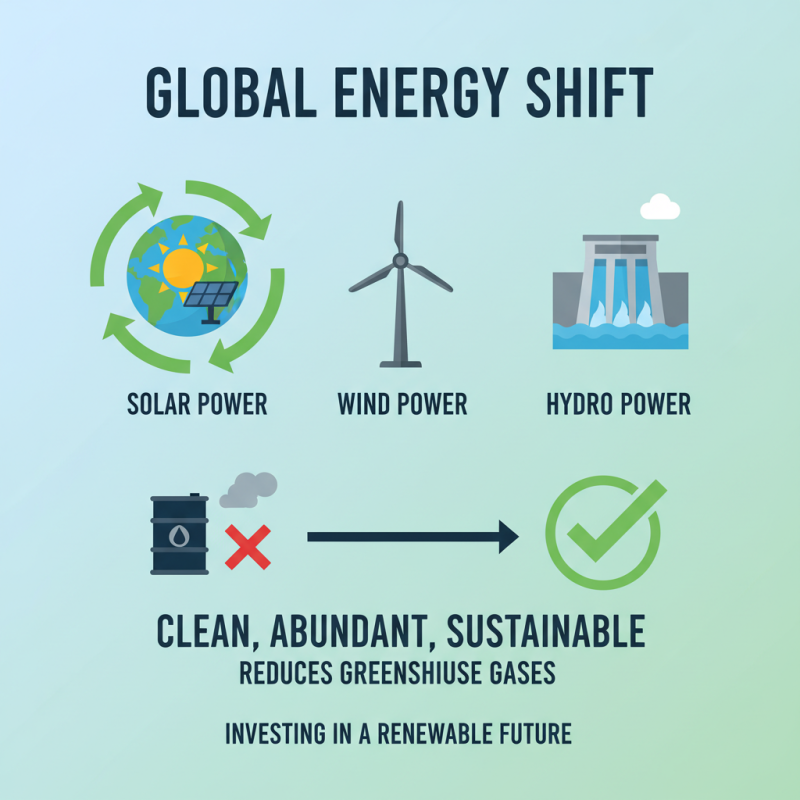
The global shift towards renewable energy sources is undeniable. Many countries are investing heavily in solar, wind, and hydroelectric power. These resources are abundant and sustainable. Unlike fossil fuels, they do not deplete natural resources. This shift is crucial for reducing greenhouse gas emissions.
Tip: Consider installing solar panels at home. They can significantly lower your energy bills. Even small actions contribute to the bigger picture. Communities embracing renewable energy inspire others to follow suit.
However, challenges remain. Some regions struggle with the infrastructure needed for large-scale renewable projects. Others face resistance from traditional energy sectors. Effective policies and community engagement are essential to overcome these hurdles. The transition is not flawless, but progress is evident. Each step forward is a step towards a sustainable future.
The Environmental Benefits of Renewable Energy Technologies
Renewable energy technologies are reshaping our world. They offer various environmental benefits essential for a healthier planet. Solar panels harness sunlight, while wind turbines capture breezes. These technologies reduce our reliance on fossil fuels. The air quality improves significantly in areas powered by renewables. However, transitioning to these technologies isn’t without challenges.
Many regions still struggle with high dependence on non-renewable sources. Some renewable projects disturb local ecosystems. This impact needs careful examination. Batteries for storing solar and wind energy can produce waste. Finding solutions for this waste is crucial. Renewable energy is not a perfect solution, but it represents a step forward.
The potential to cut carbon emissions is striking. Reduced greenhouse gases can slow climate change. Each kilowatt of clean energy generated helps. While progress is underway, the journey remains rocky. Balancing growth with environmental protection is vital. The pursuit of sustainable energy is worth exploring despite its imperfections.
Economic Advantages of Investing in Renewable Energy
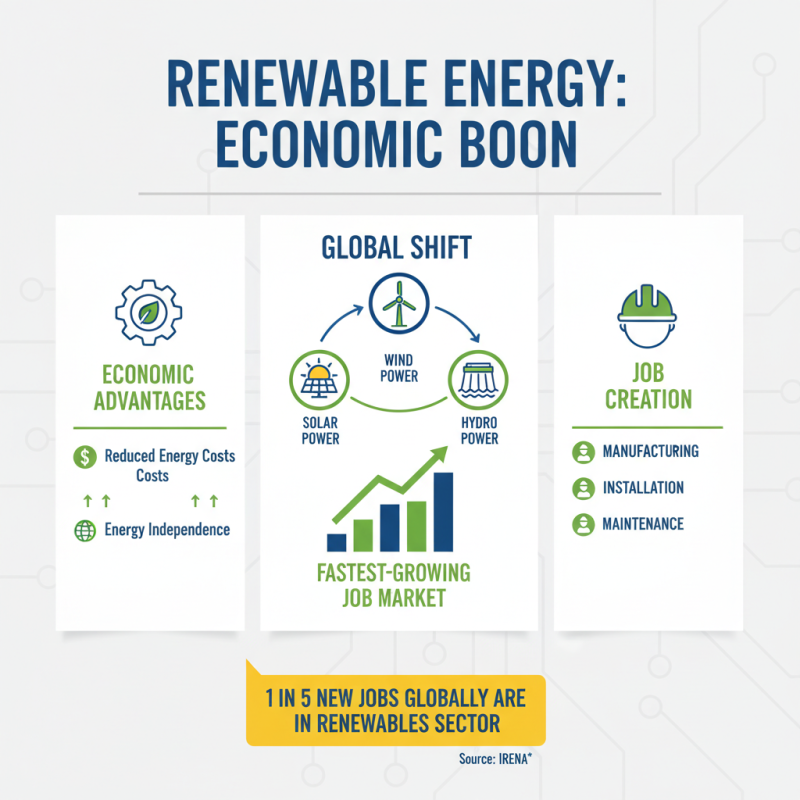
Investing in renewable energy presents significant economic advantages. Many countries are shifting their focus towards solar, wind, and hydroelectric power. This transition creates numerous job opportunities in manufacturing, installation, and maintenance. Statistically, the renewable energy sector is one of the fastest-growing job markets worldwide.
Local economies benefit from reduced dependency on imported fossil fuels. Many regions are now harnessing their natural resources for energy. This fosters local business growth and stimulates investment. However, the transition hasn’t been entirely smooth. Infrastructure needs updating, and initial costs can be high. Some communities face resistance due to existing energy habits and fears of job losses in traditional sectors.
Yet, the long-term savings and environmental impact are compelling. Lower energy bills can free up funds for other local needs. Reduced pollution leads to better public health, lowering healthcare costs. In this context, while challenges exist, the potential of renewable energy continues to shine brighter. People must engage in open discussions about these transitions to ensure a balanced approach.
Challenges Facing the Adoption of Renewable Energy Solutions
The growing shift towards renewable energy is inspiring. Yet, various challenges hinder its widespread adoption. One major barrier is the initial cost of renewable technologies. Solar panels and wind turbines can be expensive to install. Many communities struggle to secure funding. This financial hurdle limits access for low-income households.
Another significant issue is the reliability of renewable sources. Solar power relies on sunlight, while wind energy depends on consistent wind. In some regions, these sources are less predictable. This inconsistency can lead to energy shortages. Backup systems are often necessary, adding complexity and expense to renewable solutions.
Public perception also plays a crucial role. Some people remain skeptical about the effectiveness of renewable energy. They question its long-term viability. Misconceptions can stall progress. Education and outreach are essential in combating these doubts. Cultivating a sense of urgency about climate change may help encourage broader acceptance. Addressing these challenges requires collective effort and innovation.
Why is Renewable Energy Powering the Future of Our Planet? - Challenges Facing the Adoption of Renewable Energy Solutions
| Dimension |
Description |
Current Status |
| Technology Development |
Advancements in renewable technologies such as solar, wind, and hydropower. |
Rapid growth but still faces innovation gaps. |
| Policy and Regulation |
Government incentives and regulations that promote renewable energy adoption. |
Varies significantly by region; some have strong policies, others lag. |
| Infrastructure |
Development of smart grids and energy storage solutions to support renewable sources. |
Underdeveloped in many areas; significant investment needed. |
| Public Awareness |
Understanding of benefits and importance of transitioning to renewable energy. |
Growing, but misconceptions still hinder acceptance. |
| Investment |
Funding for renewable energy projects from public and private sectors. |
Increased interest, but inconsistent funding patterns. |
Future Innovations in Renewable Energy and Their Impact on Society
Innovations in renewable energy are reshaping our world.
Solar panels, wind turbines, and geothermal systems lead the charge.
These technologies harness natural resources and provide cleaner alternatives. They reduce reliance on fossil fuels.
Yet, the transition isn't seamless. Infrastructure needs upgrades.
Not all regions are ready for this shift.
Communities benefit from local energy production. Jobs in renewable sectors are on the rise.
However, training programs lag behind demand.
Skills gaps can hinder progress.
Energy storage solutions also pose challenges.
We need reliable batteries for when the sun doesn't shine and the wind doesn't blow.
Public awareness is crucial. Many people still don't understand how these innovations can improve their lives.
Education campaigns could bridge this gap. While the promise of renewable energy is bright, we must address these hurdles.
Only then can we fully embrace a sustainable future.