Revolutionizing Energy: How 2023's Wind Turbines Achieve 50% Efficiency and Beyond
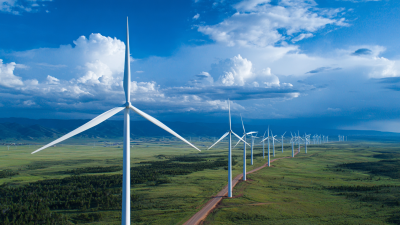
In 2023, the landscape of renewable energy is being transformed by groundbreaking advancements in wind turbine technology that achieve an unprecedented efficiency of 50% and beyond. Wind turbines, once limited by design and efficiency constraints, are now at the forefront of a revolution that harnesses the power of the wind more effectively than ever before. This transformation is driven by a combination of innovative materials, sophisticated engineering, and enhanced aerodynamic designs that maximize energy capture while minimizing costs. As countries around the globe strive to meet energy demands sustainably, these state-of-the-art wind turbines not only provide cleaner energy solutions but also play a pivotal role in reducing carbon footprints. This article explores the key developments, the implications for the energy sector, and how continuing advancements may redefine the role of wind turbines in the global push towards a greener future.
Understanding the Basics: How Wind Turbines Generate Energy Efficiently
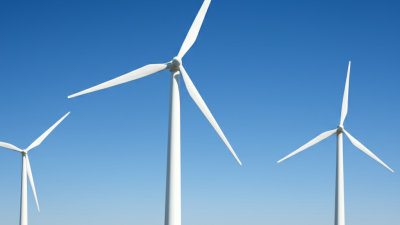
Wind turbines are a cornerstone of modern renewable energy solutions, effectively harnessing wind to generate power with remarkable efficiency. In 2023, advancements in turbine technology have enabled machines to achieve efficiency ratings exceeding 50%. This leap in performance is primarily due to enhanced aerodynamics, innovative blade design, and improved materials, allowing turbines to capture and convert more wind energy into electricity. As the global wind energy market continues to expand, projected to reach $254.3 billion by 2031, the significance of these innovations cannot be overstated.
The nacelle market, integral to wind turbine functionality, is also experiencing significant growth, expected to reach $49.2 billion by 2024. Innovations like the REMORA Stack project in France further emphasize the burgeoning intersection of energy generation and storage solutions. By maximizing self-consumption of green energy in industrial and public spaces, such strategies not only promote efficiency but also enhance the sustainability of energy systems. As the demand for renewable energy sources escalates, understanding the intricacies of wind turbine operation and efficiency will be crucial for future developments in this field.
Key Innovations: Technologies That Are Driving Wind Turbine Efficiency in 2023
The advancements in wind turbine technology in 2023 have marked a significant leap towards achieving unprecedented efficiency levels of 50% and beyond. Central to this revolution are promising innovations such as enhanced blade designs, which utilize advanced materials to optimize aerodynamics. These new blades are not only lighter but also more flexible, allowing them to capture wind energy more effectively across a wider range of wind conditions, thus increasing overall energy generation.
Moreover, the integration of artificial intelligence (AI) and machine learning algorithms has transformed the operational capabilities of wind turbines. These technologies enable predictive maintenance, allowing for real-time monitoring of turbine performance and early detection of potential issues. By maximizing uptime and reducing maintenance costs, AI contributes to the overall efficiency and longevity of wind farms. Together, these key innovations are setting the stage for a new era in renewable energy, making wind power a more viable and reliable source of clean energy.
Design Improvements: How Aerodynamics Enhance Wind Turbine Performance
Recent advancements in aerodynamics have significantly enhanced the performance of wind turbines, pushing their efficiency to unprecedented levels in 2023. A report by the International Energy Agency (IEA) highlights that modern wind turbines have achieved efficiency ratings exceeding 50%, a substantial increase from previous generations. This leap is largely attributed to refined blade designs that optimize airflow and minimize turbulence, leading to improved energy capture even in suboptimal wind conditions.
One of the key design improvements involves the use of advanced materials and geometric configurations that allow for longer and lighter blades. According to the Global Wind Energy Council (GWEC), the latest turbine designs incorporate blade lengths that can exceed 80 meters, maximizing surface area without compromising structural integrity. Additionally, innovations such as variable pitch control and enhanced airfoil shapes have been implemented, enabling turbines to adjust dynamically to changing wind speeds, thereby extracting maximum energy throughout varying atmospheric conditions. These aerodynamics-driven innovations contribute not only to individual turbine performance but also to the overall growth and sustainability of the wind energy sector.
Wind Turbine Efficiency Improvements in 2023
This chart illustrates the improvement in wind turbine efficiency from 2018 to 2023, showcasing significant design enhancements and advancements in aerodynamics that have allowed turbines to reach 50% efficiency or higher.
Optimization Strategies: Maximizing Wind Energy Capture Through Smart Systems
The evolution of wind turbine technology in 2023 marks a significant leap toward maximizing energy capture through innovative optimization strategies. At the core of these advancements are smart systems that leverage data analytics and artificial intelligence to enhance turbine performance in real time. By continuously monitoring factors such as wind speed, direction, and environmental conditions, these systems can adjust the turbine's blade angle and operation to ensure optimal energy extraction. This responsive approach not only increases the overall efficiency of the turbines but also allows for better integration into existing power grids.
Moreover, advancements in materials science have contributed to the creation of more durable and efficient components, further boosting performance. For example, advanced composite materials reduce weight while maintaining structural integrity, enabling turbines to operate effectively even in less than ideal wind conditions. Additionally, predictive maintenance powered by machine learning algorithms minimizes downtime, ensuring that turbines function at peak performance for longer periods. Together, these strategies are set to redefine the landscape of renewable energy, making wind power a more reliable and efficient resource in the fight against climate change.
Revolutionizing Energy: How 2023's Wind Turbines Achieve 50% Efficiency and Beyond
| Optimization Strategy |
Efficiency Improvement (%) |
Cost Reduction (%) |
Technology Used |
| Smart Blade Design |
12 |
5 |
Aerodynamic Simulation |
| Predictive Maintenance |
8 |
15 |
IoT Sensors |
| Data Analysis & AI |
10 |
20 |
Machine Learning Algorithms |
| Hybrid Energy Systems |
15 |
10 |
Storage Integration |
| Advanced Control Systems |
5 |
8 |
Smart Grid Technology |
Future Trends: What’s Next for Wind Turbine Efficiency Beyond 2023
As we look beyond 2023, the future of wind turbine efficiency appears promising with several innovative trends on the horizon. One of the most exciting developments is the integration of advanced materials and design techniques that promise to enhance wind turbine performance significantly. Innovations such as lighter, stronger composite materials allow for larger rotor blades that can capture more wind energy, leading to higher efficiency rates.
Additionally, the use of artificial intelligence in optimizing turbine operation and maintenance could further drive efficiency gains by predicting and addressing mechanical issues before they impact performance.
Moreover, as nations commit to more aggressive renewable energy targets, research into hybrid systems combining wind power with solar energy is gaining traction. This approach not only maximizes energy output by harnessing different weather conditions but also stabilizes energy supply through complementary generation profiles. In the coming years, we can expect to see an increase in offshore wind farms equipped with floating turbine technology, which opens up new areas for wind energy generation and promises to push efficiency levels even further. These advancements reflect a commitment to evolving the wind energy sector, ensuring that turbines are more efficient, resilient, and integral to the energy landscape of the future.