Why Are Sustainable Energy Projects Crucial for Our Future?
Sustainable energy projects are vital for a resilient future. According to the International Energy Agency (IEA), renewable energy sources are expected to account for 30% of global electricity generation by 2025. This growth highlights the shifting landscape towards cleaner alternatives. However, many regions still depend heavily on fossil fuels, raising questions about equity and accessibility.
Investment in sustainable energy projects can spur economic growth. The Global Renewable Energy Investment report shows that 2020 saw $303 billion invested in renewables. Yet, achieving universal access to sustainable energy remains a challenge. Only 87% of the global population has reliable energy access.
Moreover, sustainable energy projects address climate change concerns. The Intergovernmental Panel on Climate Change (IPCC) estimates a 1.5°C increase in global temperature could have severe consequences. These figures underscore the urgency and complexity of transitioning to greener energy solutions. We must reflect on our efforts and strategies in promoting sustainable practices for a better future.
The Growing Need for Renewable Energy in the Face of Climate Change
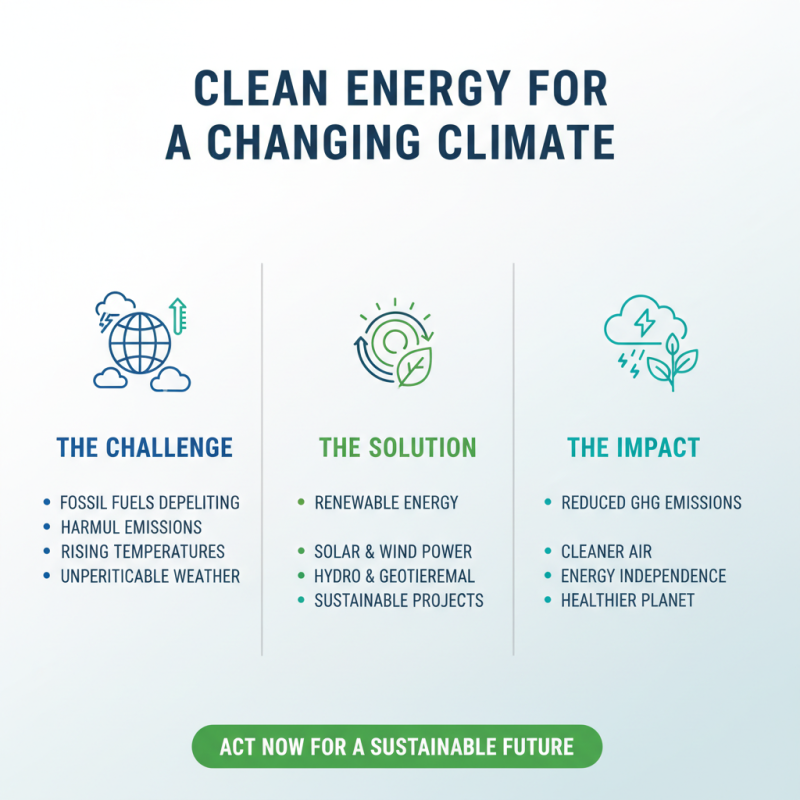
As climate change impacts our planet, the need for renewable energy grows stronger. Fossil fuels are depleting, and their harmful emissions are evident. The increasing temperatures and unpredictable weather patterns challenge our environment. Sustainable energy projects offer a way forward, helping to reduce greenhouse gases and provide cleaner air.
Investing in solar, wind, and hydroelectric power is no longer optional. Many communities are already transitioning to these energy sources. This change can lead to local job creation and stimulate economic growth. However, challenges remain. Not all regions have equal access to these technologies. Some areas still rely heavily on coal or oil.
We must address these disparities and ensure energy equity. While renewable energy offers benefits, we must refine our methods. Involving communities in decision-making is essential. Listening to diverse voices can lead to better solutions. This journey towards sustainability requires cooperation and commitment. Only then can we envision a cleaner, more sustainable future for all.
Impact of Fossil Fuels: Current Statistics and Future Projections
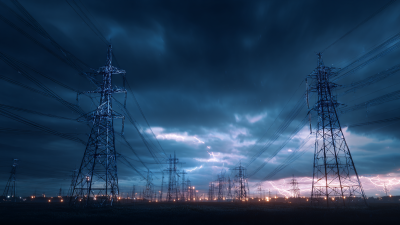
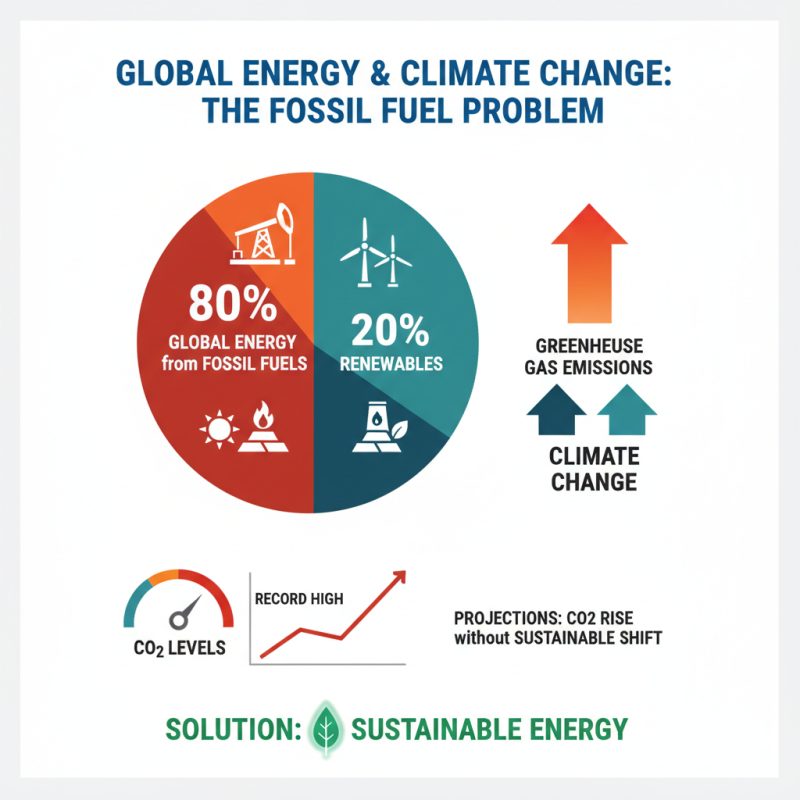
The reliance on fossil fuels has significant implications. Currently, fossil fuels account for about 80% of global energy consumption. This heavy dependence leads to greenhouse gas emissions that are driving climate change. The statistics are alarming. CO2 levels are at a record high, with projections suggesting a rise if we do not shift to sustainable energy.
Tips: Consider your energy use daily. Small changes can have big impacts. Switch off lights when not in use. Use public transportation to cut down emissions.
The future looks grim if we stay on this path. By 2040, it's estimated that fossil fuel use will still dominate unless drastic changes are made. Renewable energy projects offer a glimmer of hope. They can reduce our carbon footprint and create jobs in the process. However, not all projects are well thought out. Some overlook local ecosystems and community needs, which is a critical issue.
Tips: Research local energy initiatives. Get involved in community discussions. Advocate for projects that prioritize environmental health.
Technological Innovations Driving Sustainable Energy Solutions
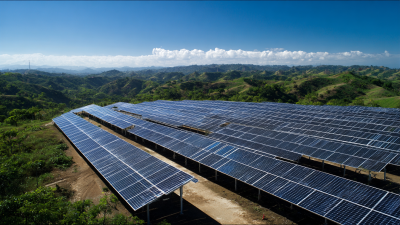
Technological innovations are reshaping the future of sustainable energy. Advanced solar panels now boast efficiencies exceeding 22%. These improvements allow more energy capture from sunlight. According to a report by the International Energy Agency, renewable energy sources accounted for 29% of global electricity generation in 2020. This percentage has only grown, showing a clear trend towards cleaner alternatives.
Energy storage solutions are essential in this transition. Battery technology is improving rapidly, reducing costs and increasing efficiency. Reports indicate that lithium-ion battery prices fell by 89% from 2010 to 2020. Yet, recycling and disposal of these batteries raise concerns that we must address. Innovations in recycling processes are crucial for sustainable growth in this sector.
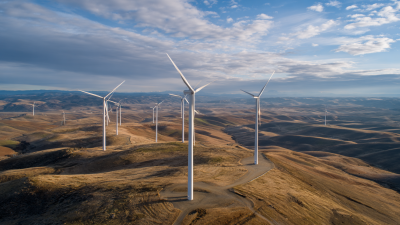
Wind energy is the fastest-growing segment in renewable technologies. The Global Wind Energy Council reports that the global installed wind capacity reached 743 GW in 2020. Urban areas are now harnessing wind energy through small-scale turbines. This shift illustrates the blending of technology with everyday life. Still, challenges remain in integrating these systems into existing infrastructures. Balancing growth with ecological responsibility is necessary for true sustainability.
Why Are Sustainable Energy Projects Crucial for Our Future? - Technological Innovations Driving Sustainable Energy Solutions
| Project Type |
Technology Used |
Energy Output (MW) |
CO2 Reduction (tons/year) |
Investment ($ millions) |
| Solar Farm |
Photovoltaic Cells |
150 |
120,000 |
200 |
| Wind Farm |
Turbine Technology |
200 |
150,000 |
300 |
| Hydropower Plant |
Dams and Turbines |
350 |
300,000 |
500 |
| Geothermal Plant |
Geothermal Heat Pumps |
100 |
80,000 |
150 |
| Biomass Energy |
Anaerobic Digestion |
75 |
60,000 |
100 |
Economic Benefits of Investing in Sustainable Energy Projects
Investing in sustainable energy projects presents a myriad of economic benefits. These initiatives create jobs. They require diverse skilled workers. Construction, maintenance, and technology innovation all need labor. Communities often experience a revitalization. This can boost the local economy significantly. For example, a new solar farm can generate jobs for technicians and engineers.
Sustainable energy can lower utility bills. As technology improves, costs decline. Residents and businesses can save money in the long run. This creates more discretionary spending, which strengthens the economy further. However, these transitions can be challenging. People may worry about job security in traditional energy sectors.
Tips: Explore local programs that support workforce training. Stay informed about emerging technologies in the energy sector. When investing, consider the long-term benefits over immediate costs. Sustainable energy projects might require initial financial investment. Yet, the returns are often substantial. Embracing change isn’t always easy, but it’s necessary for progress.
Economic Benefits of Investing in Sustainable Energy Projects
This chart illustrates the projected economic benefits of investing in sustainable energy projects over a five-year period. It highlights the expected job creation, reduction in energy costs, and increase in GDP contribution.
Global Partnerships and Policies Supporting Sustainable Energy Initiatives
Global partnerships play a crucial role in advancing sustainable energy projects. Countries are recognizing the urgency of climate change. Collaborative efforts bring together resources, technologies, and innovative strategies. They enable nations to share best practices. Such cooperation can reduce costs and increase efficiency.
Policies supporting sustainable energy initiatives are also important. Governments are starting to implement more ambitious renewable energy targets. However, not all countries prioritize these commitments equally. Some face economic and social challenges. Socioeconomic disparities can hinder progress. There is often a lack of political will or logistical support for these initiatives.
Engaging communities in these projects is vital. Local voices can guide decision-making processes. Empowering people fosters ownership of sustainable solutions. However, ensuring inclusivity is a challenge. Many renewable energy projects overlook marginalized populations. Addressing these gaps should be a priority moving forward. Sustainable energy is not just an environmental issue; it's a matter of equity and justice.