Why Is Sustainable Power Essential for Our Future?
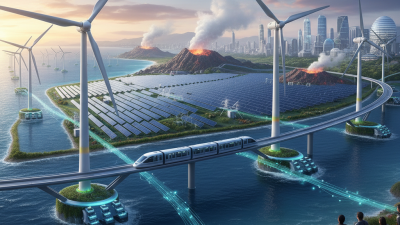
The future hinges on our ability to embrace sustainable power. As climate change accelerates, our energy sources must evolve. Reports indicate that renewable energy can supply over 80% of global electricity by 2050. However, many regions remain dependent on fossil fuels. This transition is not easy and requires innovative approaches.
Dr. Emily Larson, a leading expert in renewable energy, asserts, "The shift to sustainable power is essential for economic and environmental stability." This highlights the urgency of adopting cleaner energy habits. Electric vehicles and solar technology are just a few examples of sustainable innovations. Despite progress, we often overlook the challenges in implementation.
Investments in sustainable power must increase significantly. Current funding is inadequate to meet future energy demands. Balancing growth with environmental responsibility is crucial. As we gather momentum in this sector, we must reflect on our strategies and their effectiveness. Sustainable power is our path forward, yet it requires commitment and readiness to change.
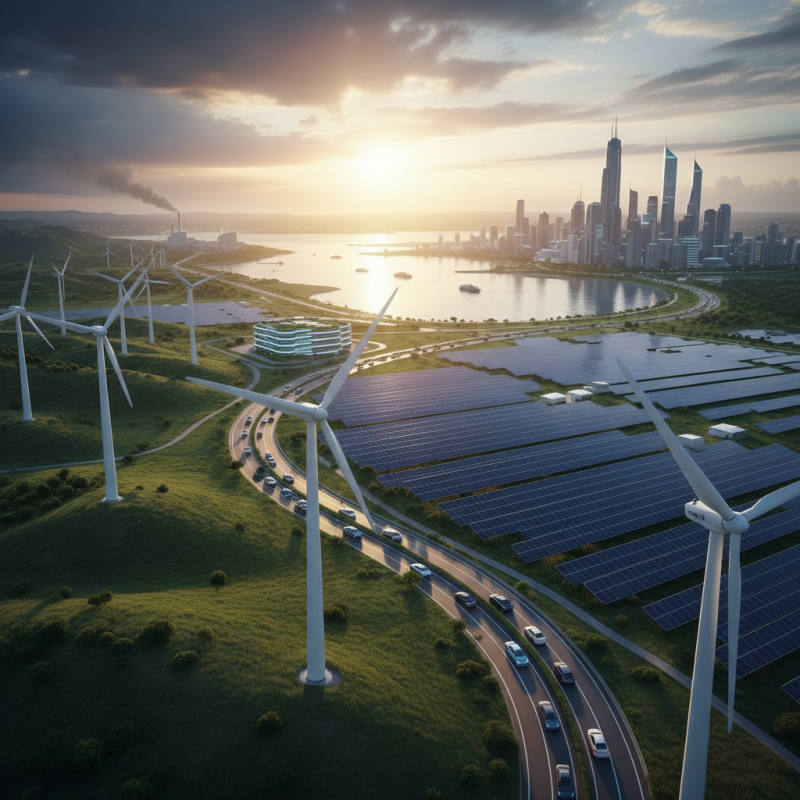
The Growing Demand for Energy and Its Environmental Impact
The demand for energy is escalating globally. As our population grows, so does our consumption. We rely on fossil fuels for most of our energy needs. This reliance creates significant environmental challenges. Air pollution and greenhouse gas emissions are rising. These issues threaten our planet and our health.
Our current energy practices are not sustainable. They contribute to climate change and ecosystem damage. Renewable energy sources like wind and solar can help. They reduce harmful emissions and our carbon footprint. However, transitioning to these alternatives takes time and resources. People often resist change, worried about cost and convenience.
We must reflect on our energy choices. Can we afford to ignore the impact of our actions? Sustainable power is not just a choice; it’s a necessity. The future of our environment and quality of life depends on it. It’s time to prioritize sustainable energy solutions for a better tomorrow.
Renewable Energy Sources: Benefits and Global Adoption Rates
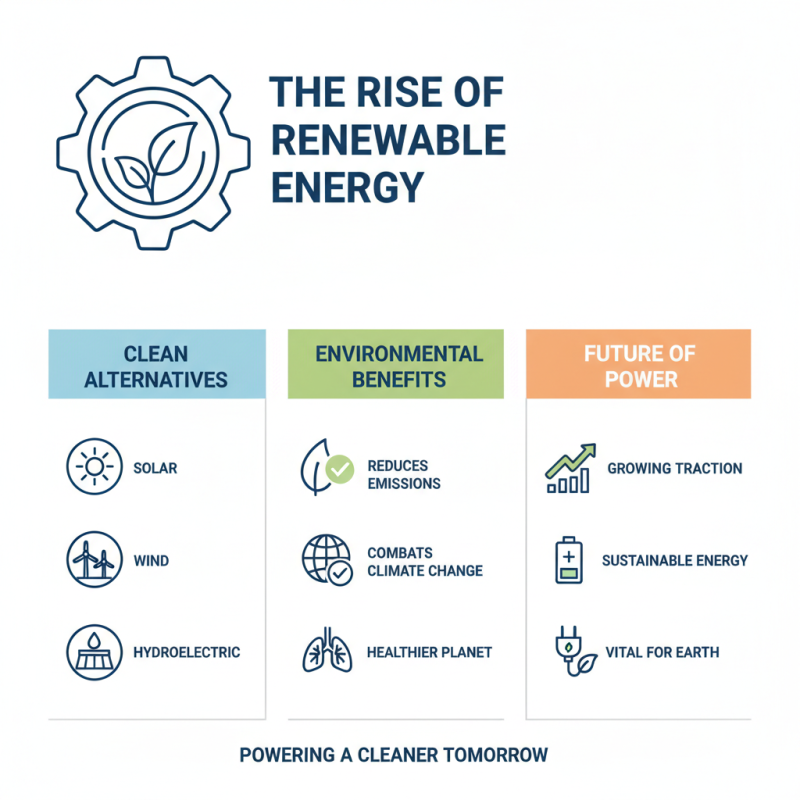
The rise of renewable energy sources is changing how we think about power. Solar, wind, and hydroelectric energy are gaining traction. They offer cleaner alternatives to fossil fuels. These sources are not just beneficial; they are vital for environmental health. By reducing greenhouse gas emissions, we can combat climate change more effectively.
Many countries are in various stages of adopting renewable energy. Some lead in solar capacity, while others excel in wind power. However, global adoption is inconsistent. Developing nations often face challenges in infrastructure and investment. This disparity raises questions about equity in energy access. What can be done to ensure everyone benefits from renewable energy?
Incentives for clean energy are growing, but some systems still lag. The technology is available, yet some resist change. It’s essential to engage communities and policymakers alike. By fostering cooperation, we can advance renewable energy adoption. The potential benefits are immense, but we must address current shortcomings. Only then can we truly embrace a sustainable future.
Economic Advantages of Sustainable Power: Cost Savings and Job Creation
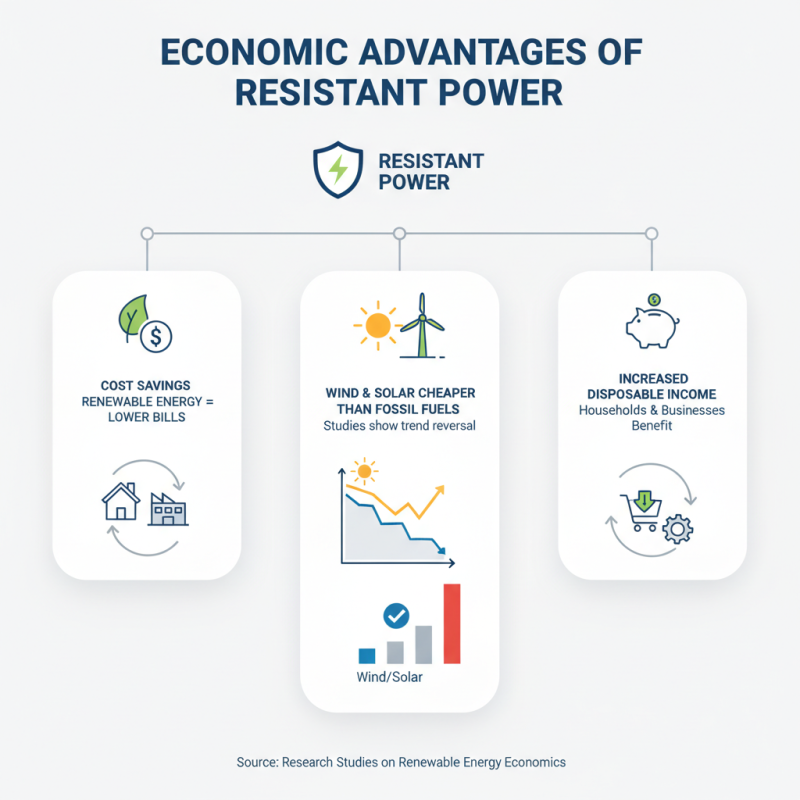
Sustainable power brings numerous economic advantages. For instance, reliance on renewable energy sources can lead to significant cost savings. Many studies show that wind and solar power have become cheaper than fossil fuels. Households and businesses can benefit from lower energy bills over time.
Job creation is another important aspect. As the sustainable energy sector grows, new job opportunities emerge. These jobs range from manufacturing solar panels to installing wind turbines. Many communities find revitalization through these new roles. However, transitioning to sustainable power might require workforce retraining. Existing employees may need support to adjust to the new landscape.
There are still challenges to consider. Some regions may lack the resources to fully embrace sustainable power. In certain areas, the initial investment can seem daunting. Addressing these obstacles is crucial for maximizing the benefits of renewable energy. Overall, the shift toward sustainable power demands careful planning and commitment.
Technological Innovations Driving Sustainable Energy Initiatives
Technological innovations are reshaping the landscape of sustainable energy. Solar panels, for instance, have seen significant advancements. They've become more efficient and affordable. These changes empower homeowners and businesses alike to harness sunlight. Wind turbines are also evolving. Designs are becoming sleeker and more powerful, capturing wind energy even at lower speeds.
Energy storage plays a crucial role in this transformation. Battery technology has improved dramatically. New materials increase capacity and reduce costs. This means renewable energy can be stored efficiently. Unfortunately, not all innovations are accessible to everyone. The digital divide may prevent some communities from leveraging these technologies. This gap leads to unequal benefits from sustainable initiatives. Addressing this issue is vital for a balanced energy future.
Moreover, the integration of smart grids is essential. These systems optimize energy distribution and usage. They can respond in real-time to fluctuations in energy supply and demand. However, the implementation remains challenging. Technical glitches and security concerns pop up too often. Continuous improvement and vigilance are needed in these areas. The road to fully sustainable energy is not smooth, but progress is being made.
Renewable Energy Sources Contribution to Global Energy Supply (2023)
The Role of Policy and Regulation in Promoting Clean Energy Solutions
Policy and regulation play a vital role in promoting clean energy solutions. Governments worldwide are recognizing the importance of transitioning to sustainable power sources. Regulations can incentivize investments in renewable energy technologies. For instance, tax credits and subsidies can lower the cost barriers for solar and wind energy projects. These financial tools encourage innovation and development in the clean energy sector.
However, not all policies are effective. Some regulations may be too rigid or complicated. They can stifle progress and make it hard for smaller companies to compete. Policymakers need to strike a balance. They must create a framework that both encourages growth and ensures environmental protection. Public awareness also plays a significant role. If communities understand the benefits of clean energy, they are more likely to support favorable policies.
Moreover, the transition to sustainable power is not without its challenges. There is often resistance from established energy sectors. Change can provoke anxiety among workers in traditional industries. Policies must address these concerns and provide support for retraining. This approach will create a just transition for all. Sustainable energy is not just a goal; it requires a collaborative effort in shaping policies that work for everyone.