10 Tips for Transitioning to Renewable Energy Efficiently
The transition to renewable energy is crucial for a sustainable future. In 2022, renewable energy sources accounted for about 29% of global electricity generation. This statistic highlights a significant shift. However, many regions are still lagging behind in adopting these technologies.
Despite the growing interest in renewable energy, challenges persist. Transitioning effectively requires careful planning and investment. For example, wind and solar energy options can be tricky to scale without proper infrastructure. Data from the International Energy Agency indicates that total investment in renewables must triple to meet climate targets by 2030.
Moreover, public awareness and support remain vital. Engaging communities will drive the adoption of renewable energy solutions. It’s not just about technology; it's about changing mindsets and behaviors. Reflecting on these factors can pave the way for more efficient transitions.
Understanding Renewable Energy Sources and Their Benefits
Renewable energy sources offer numerous benefits, transforming how we power our lives. Wind and solar energy are the most popular forms. Wind turbines harness the power of the wind. Solar panels capture sunlight. Both are clean alternatives to fossil fuels. They help reduce greenhouse gas emissions significantly. This transition supports a healthier planet.
Using renewable energy can also boost local economies. Installing solar panels creates jobs in local communities. Wind farms generate maintenance roles and technical jobs. The transition may not be without challenges. Initial costs can be high for individuals and businesses. Some people may struggle with the setup. Education about these sources is crucial. Many still have misconceptions about efficiency and reliability. Access to resources can be unequal, creating disparities.
Nevertheless, the long-term savings can outweigh these early challenges. Energy independence is another notable benefit. Relying on local sources can reduce vulnerability to global price swings. This shift can lead to less geopolitical tension. Embracing renewable energy might require effort, but the outcome promises a brighter and sustainable future.
Renewable Energy Capacity by Source in 2023
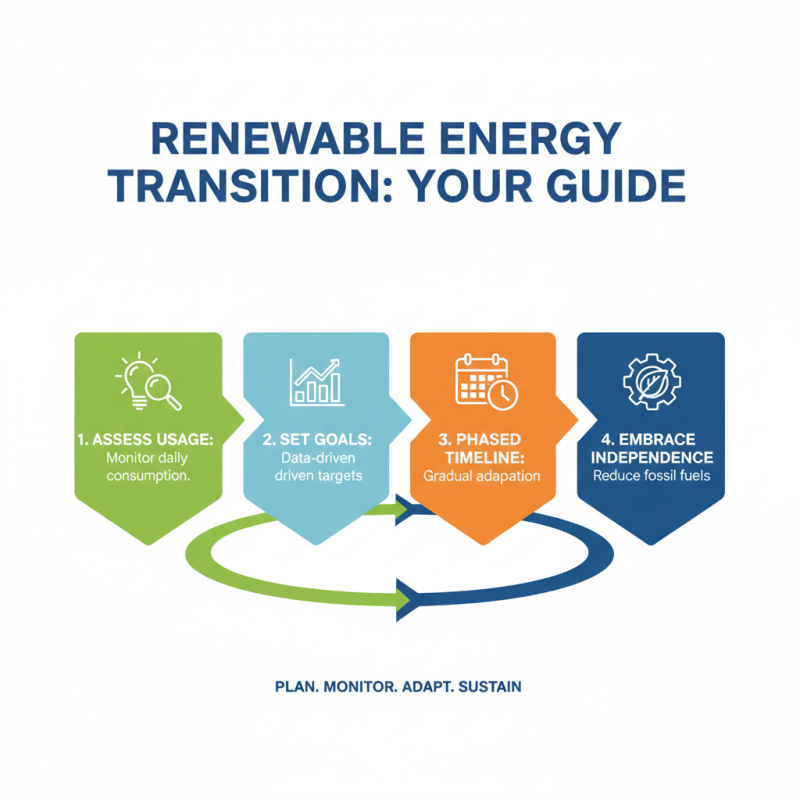
Assessing Your Current Energy Usage and Needs
Transitioning to renewable energy starts with a clear understanding of your current energy usage. According to the U.S. Energy Information Administration (EIA), residential energy consumption averaged about 877 kWh per month per household in 2020. This data helps identify how much energy you currently consume. You can assess your energy needs by analyzing your utility bills and tracking usage patterns. Evaluating high-consumption areas, like heating and cooling, is crucial.
Consider using energy monitoring tools to gain deeper insights. Many devices and apps can provide minute-by-minute data. Reports indicate that homeowners can reduce their energy consumption by 10-20% simply by being aware of their usage. Reflect on the times when you use the most energy. Often, peak consumption occurs during late evenings. Acknowledging these patterns can guide your transition strategy. The goal is to align your energy needs with renewable solutions effectively.
Identifying gaps in your energy habits is equally important. For instance, many households overlook how much energy is consumed by idle appliances. According to the Lawrence Berkeley National Laboratory, standby power draws can account for 5-10% of residential energy use. Recognizing these 'energy vampires' allows you to take actionable steps. This self-assessment process not only highlights improvement areas but also prepares you for a more successful transition to renewable energy sources.
10 Tips for Transitioning to Renewable Energy Efficiently - Assessing Your Current Energy Usage and Needs
| Tip Number |
Tip Description |
Expected Savings (%) |
Implementation Time (months) |
| 1 |
Conduct an energy audit to identify usage patterns |
10% |
1 |
| 2 |
Upgrade to energy-efficient appliances |
15% |
6 |
| 3 |
Install solar panels |
30% |
12 |
| 4 |
Switch to LED lighting |
20% |
2 |
| 5 |
Improve home insulation |
25% |
3 |
| 6 |
Utilize smart thermostats |
10% |
1 |
| 7 |
Consider geothermal heating and cooling |
35% |
12 |
| 8 |
Participate in community solar projects |
15% |
4 |
| 9 |
Monitor and adjust energy usage regularly |
5% |
Ongoing |
| 10 |
Consult with renewable energy experts |
Variable |
2 |
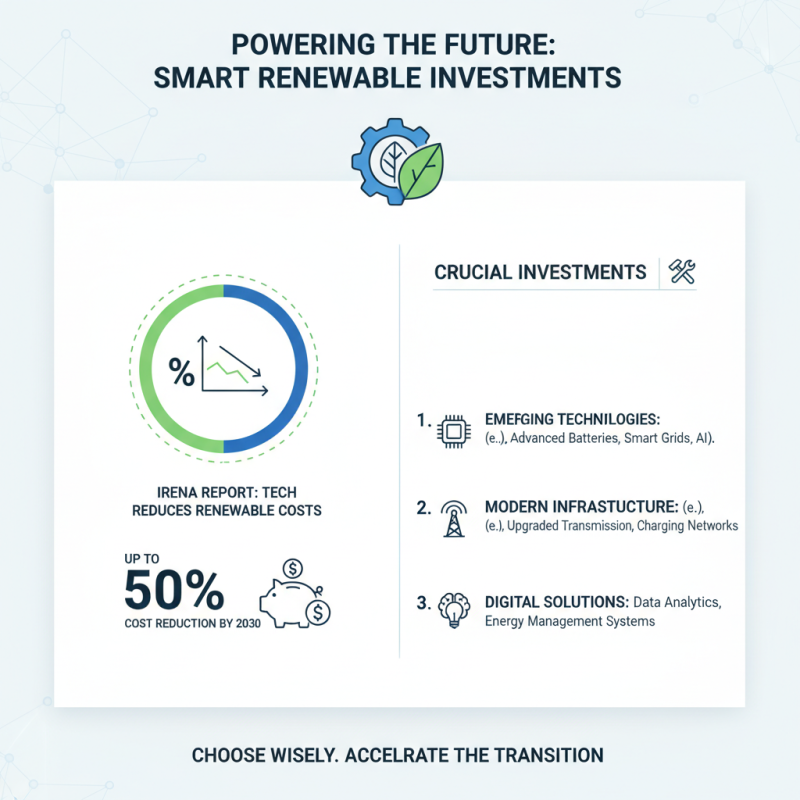
Investing in the Right Technology and Infrastructure for Efficiency
Investing in the right technology and infrastructure is crucial for transitioning to renewable energy effectively. According to a report from the International Renewable Energy Agency (IRENA), emerging technologies can reduce the cost of renewable energy systems by up to 50% by 2030. This potential signifies the importance of choosing the right investments.
One key area is energy storage systems. These systems provide stability in energy supply, especially with intermittent sources like solar and wind. Studies show that battery prices have decreased by 89% since 2010. This makes them more accessible, yet challenges remain concerning their longevity and environmental impact.
Additionally, enhancing grid infrastructure is vital. Smart grids can increase efficiency and reliability. Research indicates that smart grid investments could save consumers nearly $200 billion annually by 2030. However, transitioning might require high initial costs and substantial planning. Decision-makers must weigh these factors carefully.
Monitoring and Adjusting Performance Post-Transition for Optimal Results
Transitioning to renewable energy is not the end of the journey. Monitoring and adjusting post-transition performance is crucial. Studies indicate that renewable energy systems can underperform by up to 20% due to unoptimized settings or mechanical issues. Regular checks can reveal performance gaps. For instance, if solar panels are not cleaned frequently, dirt accumulation can reduce their efficiency by approximately 25%.
Adjusting system parameters based on real-time data can also enhance performance. An analysis of wind turbines showed that those with adaptive controls improved energy output by nearly 15%. Simple measures, like evaluating weather patterns and energy consumption trends, can lead to significant gains. However, many facility owners overlook these assessments, potentially costing them considerable savings.
Moreover, engaging with data analytics tools can aid in identifying inefficiencies. In a recent report, 30% of businesses using these tools reported a noticeable boost in energy efficiency. Yet, despite these benefits, many still resist integrating such technologies. Reflecting on these actions can help organizations embrace more environmentally friendly practices, while maximizing their renewable energy investments.