Top 10 Natural Energy Sources You Need to Know About for a Sustainable Future
As the world faces the escalating challenges of climate change and the depletion of fossil fuels, the quest for sustainable energy solutions has never been more urgent. Natural energy sources, deriving from the Earth's inherent processes, offer a promising path towards creating a greener future. This article explores the top 10 natural energy sources you need to be aware of, highlighting their potential, benefits, and contributions to sustainability. By harnessing the power of nature, we can reduce our reliance on non-renewable resources and mitigate the environmental impact associated with traditional energy production.
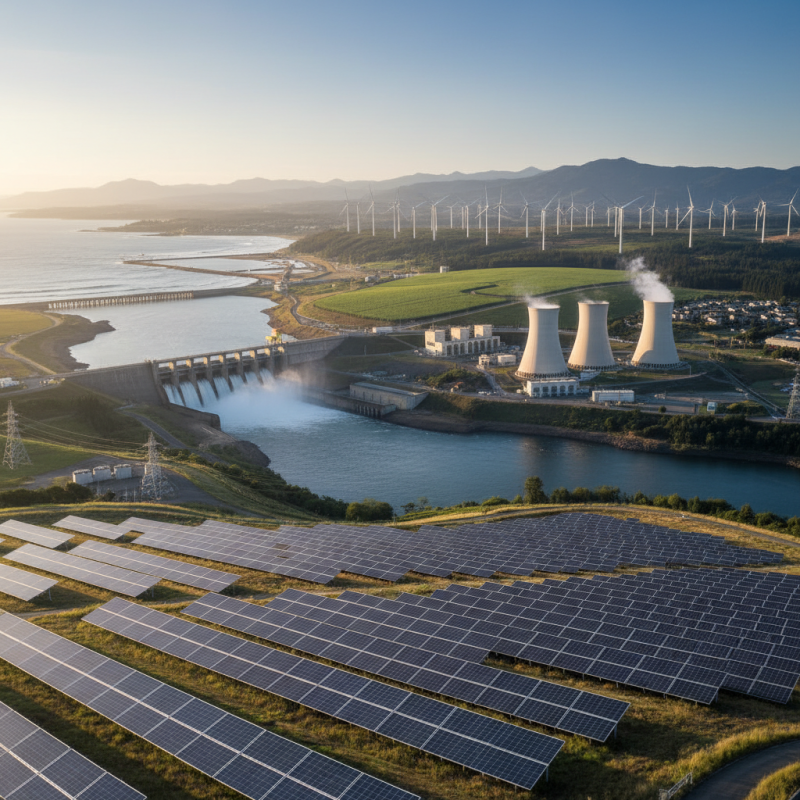
From solar energy captured through photovoltaic cells to the wind energy harnessed by turbines, natural energy sources present an array of innovative techniques that can be employed globally. Geothermal and hydropower are also vital components of this renewable energy landscape, providing consistent and reliable energy generation. As we delve into the details of each natural energy source, we will uncover their unique characteristics and discuss how they can play a crucial role in paving the way towards a sustainable and resilient energy future. By embracing these natural energy options, we not only work towards environmental stewardship but also enhance energy security for generations to come.
Overview of Sustainable Energy and Its Importance
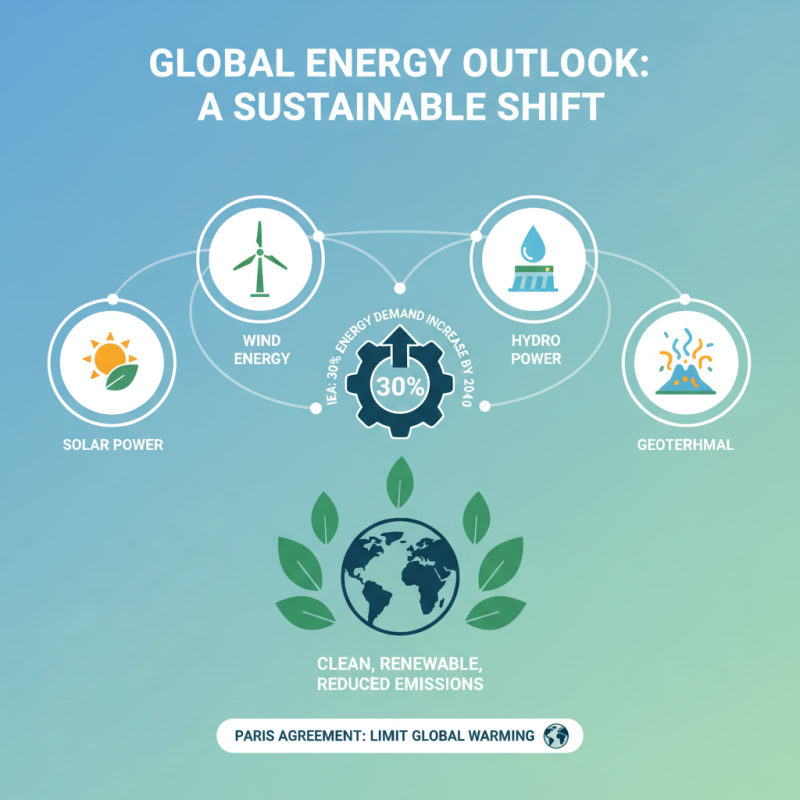
The shift towards sustainable energy sources is imperative for addressing the pressing challenges of climate change and resource depletion. According to the International Energy Agency (IEA), global energy demand is expected to increase by nearly 30% by 2040, primarily driven by developing economies. This surge in demand highlights the urgent need for cleaner, renewable energy options that can minimize environmental impact. Sustainable energy sources such as solar, wind, hydro, and geothermal can significantly reduce greenhouse gas emissions, aligning with goals set by the Paris Agreement to limit global warming.
Further, the World Economic Forum emphasizes that transitioning to sustainable energy could provide robust economic opportunities, potentially creating over 24 million jobs globally by 2030 in renewable sectors alone. These industries not only promise environmental benefits but also offer significant economic growth. By investing in technologies that harness natural energy, economies can bolster energy security, reduce dependence on fossil fuels, and contribute to a sustainable future. With the global community increasingly recognizing the importance of sustainable practices, the integration of natural energy sources into everyday life is becoming more critical than ever.
Solar Energy: Harnessing the Power of the Sun
Solar energy stands out as one of the most abundant and sustainable energy sources available to us. By harnessing the power of the sun, we can generate electricity and heat for a wide range of applications, making it a key player in the transition towards a sustainable future. The process involves capturing sunlight using photovoltaic cells or solar thermal systems, which convert solar radiation into usable energy. This technology not only reduces reliance on fossil fuels but also significantly lowers greenhouse gas emissions, playing a crucial role in combating climate change.
 Moreover, solar energy systems can be integrated into a variety of settings, from small residential rooftops to large-scale solar farms. This versatility allows for decentralized energy production, reducing the need for extensive grid infrastructure and making energy more accessible, especially in remote areas. As advancements in solar technology continue to evolve, the efficiency and affordability of solar panels improve, making it easier for individuals and communities to invest in their own energy sources. With the potential to power everything from homes to electric vehicles, solar energy is at the forefront of creating a cleaner, more sustainable future for generations to come.
Wind Energy: Capturing Airflow for Electricity Generation
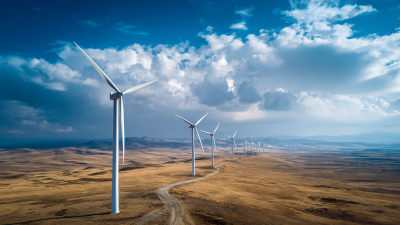
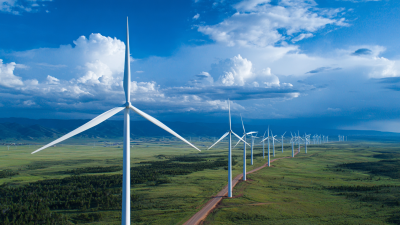
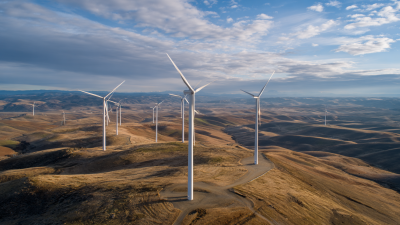
Wind energy has emerged as a vital player in the quest for sustainable energy solutions, representing an effective means of harnessing nature's power. By capturing airflow through turbines, wind energy converts kinetic energy into electricity, contributing significantly to reducing carbon footprints. As technology advances, wind farms have become more efficient, dramatically increasing output while minimizing land use. The widespread adoption of wind energy not only aids in energy diversification but also helps to stabilize local economies by creating jobs in the renewable energy sector.
Tips: When considering wind energy for personal or community use, it's essential to assess local wind patterns and land suitability. Conducting a site evaluation can help determine the best locations for wind turbines to optimize energy production. Additionally, staying informed about local regulations can streamline the installation process, ensuring compliance and promoting community acceptance of wind energy initiatives.
Moreover, individuals can support wind energy transitions by advocating for policies that promote renewable sources. Participation in local discussions about energy planning can elevate the importance of wind energy in their communities. By fostering public awareness about the benefits of wind energy, more people may be encouraged to support projects that contribute to a sustainable future.
Top 10 Natural Energy Sources You Need to Know About for a Sustainable Future - Wind Energy: Capturing Airflow for Electricity Generation
| Feature |
Details |
| Energy Conversion Efficiency |
20-40% |
| Typical Turbine Height |
80-120 meters |
| Average Wind Speed Needed |
5-9 m/s |
| Global Installed Capacity (2022) |
918 GW |
| CO2 Emission Reduction Potential |
Approx. 10 billion tons annually |
| Average Lifespan of Turbines |
20-25 years |
| Job Creation Potential |
Over 1 million jobs by 2030 |
| Average Cost of Energy |
$30-$60 per MWh |
| Land Use |
1.5-2 acres per MW |
| Energy Storage Solutions |
Batteries, pumped hydro, etc. |
Hydropower: Utilizing Water Flow for Renewable Energy
Hydropower stands as one of the most prominent renewable energy sources, harnessing the flow of water to generate electricity. According to the International Hydropower Association, hydropower capacity worldwide reached over 1,300 gigawatts by the end of 2022, contributing to approximately 16% of global electricity generation. This form of energy is not only vital for its capacity but also for its climate benefits; hydropower can reduce greenhouse gas emissions significantly compared to fossil fuels. The potential for hydropower is immense, especially in regions with abundant water resources, where it can provide a stable and renewable energy supply.
In addition to its established capacity, hydropower is gaining traction as countries strive to meet their renewable energy targets. A report by the International Energy Agency indicates that investments in hydropower projects have increased, with many nations recognizing the importance of integrating this resource into their energy mix. The flexibility of hydropower systems allows them to respond quickly to changes in energy demand, making them an essential component of a balanced and resilient energy grid. As nations move towards a more sustainable future, hydropower will undoubtedly play a crucial role in meeting energy needs while minimizing environmental impacts.
Hydropower Utilization: A Key Natural Energy Source
This chart illustrates the hydropower generation capacities of various countries, highlighting the importance of this renewable energy source in achieving a sustainable future. Countries such as China and the USA lead in hydropower generation, making significant contributions to their energy portfolios.
Geothermal Energy: Tapping into Earth's Internal Heat
Geothermal energy harnesses the internal heat of the Earth, making it a powerful and sustainable energy source. This energy stems from the natural heat generated by the Earth's core, which can be accessed through various technologies. By tapping into hot springs, geysers, and geothermal reservoirs, we can extract heat that can be converted into electricity or used directly for heating purposes. This renewable resource is not only abundant but also offers a reliable and consistent energy supply, distinguishing it from more variable sources like solar or wind.
One of the key advantages of geothermal energy is its low environmental impact. Unlike fossil fuels, geothermal plants typically produce minimal greenhouse gas emissions, making them an environmentally friendly alternative in the quest for sustainable energy solutions. Additionally, geothermal systems require less land area compared to other renewable energy installations, reducing the disruption to ecosystems and habitats. With advancements in technology, the potential for geothermal energy continues to grow, paving the way for its increased adoption in addressing global energy demands and combating climate change.
Conclusion
In the quest for a sustainable future, natural energy sources play a crucial role in reducing reliance on fossil fuels and mitigating climate change. This article highlights the top 10 natural energy sources, emphasizing their importance and potential impact. Solar energy, derived from the sun, is one of the most abundant resources, providing clean electricity through photovoltaic cells. Wind energy captures airflow using turbines to generate power, while hydropower harnesses the flow of water to create renewable energy. Geothermal energy utilizes the Earth's internal heat, tapping into a steady source of energy, and biomass energy converts organic materials into usable fuel, contributing to waste reduction.
Understanding and investing in these natural energy sources is vital for promoting environmental sustainability and ensuring a resilient energy future. By transitioning to these renewable options, we not only safeguard natural resources but also pave the way for innovative technologies that can lead us to a cleaner, greener planet.