2025 Top Digital Innovations in Sustainable Energy for a Greener Future

As we move towards 2025, the landscape of sustainable energy is evolving rapidly, marked by innovative technologies that promise to reshape our approach to energy production and conservation. According to Dr. Emily Johnson, a leading expert in sustainable energy technologies, "The future of energy lies in our ability to harness innovation, driving efficiency while minimizing our ecological footprint." This sentiment encapsulates the urgent need for advancements that not only meet the demands of a growing global population but also adhere to the principles of sustainability.

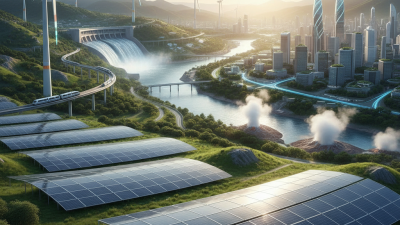
The upcoming "2025 Top 10 Digital Innovations in Sustainable Energy" report aims to highlight crucial developments that are set to redefine the sector. From breakthroughs in solar energy efficiency to the integration of artificial intelligence in energy management systems, these innovations will play a pivotal role in creating a greener future. By leveraging cutting-edge technology, we can enhance energy reliability and accessibility while reducing dependence on fossil fuels.

As we explore the top digital innovations in sustainable energy, it becomes essential to recognize their potential impact on both the environment and the economy. The collaboration between visionary leaders, industry stakeholders, and researchers will be vital in driving these innovations forward, ensuring that sustainable energy solutions are not only aspirational but also attainable in our everyday lives.
2025 Top Digital Innovations in Sustainable Energy for a Greener Future

Innovative Solar Technologies Revolutionizing Energy Production in 2025

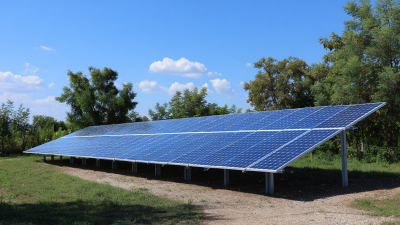
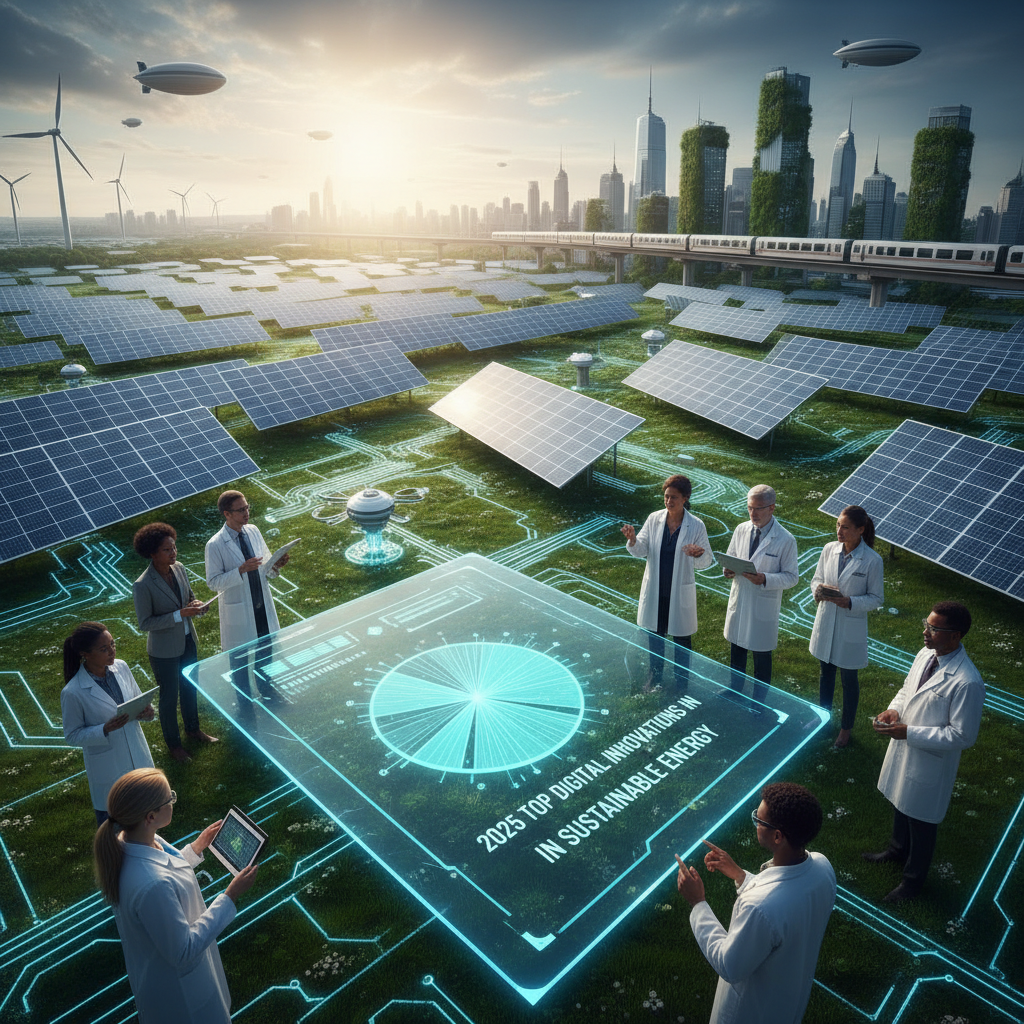
The innovative solar technologies emerging in 2025 are set to transform energy production, making strides toward a more sustainable future. One of the key advancements in this arena is the development of transparent solar cells. Unlike traditional solar panels, these cells can be integrated into windows and building facades, allowing urban environments to generate energy without sacrificing aesthetics. The global market for transparent solar cells was valued at approximately USD 22.13 million in 2024, and projections for 2025 indicate robust growth, with estimates reaching USD 27.56 million.

This rapid growth signifies the increasing demand for versatile renewable energy solutions that harmonize with modern architecture and lifestyles. As cities continue to expand, the potential for transparent solar cells to provide clean energy directly from building surfaces presents an exciting opportunity. These advancements not only promise better energy efficiency but also encourage the adoption of solar technologies on a wider scale, paving the way for a greener planet. The emphasis on innovation in solar technology highlights the critical role it plays in reshaping the energy landscape and combating climate change.

2025 Top Digital Innovations in Sustainable Energy for a Greener Future

Innovation Description Impact on Energy Production Estimated Efficiency Improvement (%) Market Adoption Rate (%)
Bifacial Solar Panels Solar panels that capture sunlight from both sides, increasing efficiency. Enhanced energy capture in various environments. 15 30
Floating Solar Farms Solar PV systems installed on bodies of water to save land space. Higher efficiency due to cooling effects of water. 20 25
Perovskite Solar Cells Solar cells that use perovskite materials for improved performance. Potential to reduce costs while enhancing efficiency. 25 15
Smart Inverters Devices that optimize the performance and energy output of solar systems. Improved grid stability and integration of renewable sources. 10 40
Solar Tracking Systems Mechanisms that adjust the angle of solar panels to follow the sun. Maximizes solar energy capture throughout the day. 30 35

Smart Grids: Enhancing Energy Efficiency and Sustainability

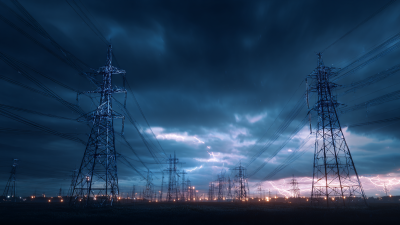
Smart grids represent a transformative approach to energy management, integrating advanced technologies to optimize energy distribution and consumption. By leveraging digital innovations such as real-time data analytics, artificial intelligence, and the Internet of Things, smart grids facilitate a more dynamic electricity flow. This interconnected network not only enhances the reliability of energy supply but also empowers consumers to monitor their usage patterns, leading to more informed and sustainable choices.

Furthermore, smart grids play a critical role in integrating renewable energy sources, such as solar and wind power, into the traditional energy mix. They enable decentralized energy production, allowing households and businesses to generate and sell excess energy back to the grid. This decentralized approach reduces reliance on fossil fuels, minimizes greenhouse gas emissions, and promotes energy independence. As we move towards a greener future, smart grids are essential in creating a robust, resilient, and sustainable energy ecosystem.

Harnessing Energy Storage Solutions for a Resilient Future

As the global demand for renewable energy rises, energy storage solutions are emerging as a critical component in creating a resilient future. These innovations enable the efficient capture and storage of energy generated from renewable sources like solar and wind, which are inherently intermittent. By leveraging advanced technologies such as lithium-ion batteries, flow batteries, and emerging solid-state solutions, we can ensure that excess energy produced during peak generation times can be stored and utilized during periods of high demand or low generation.

Furthermore, energy storage systems enhance grid stability and reliability, providing backup power during outages and supporting the integration of renewable energy into the existing infrastructure. Innovations like virtual power plants and demand response strategies allow for a more balanced and responsive energy ecosystem, reducing strain on traditional power sources while maximizing the utility of renewables.

As we progress towards 2025, the role of these sustainable energy storage solutions will be pivotal in driving the transition to cleaner, greener energy systems, ultimately fostering an environment where sustainable energy can thrive.

The Role of Artificial Intelligence in Optimizing Renewable Energy Systems

The integration of artificial intelligence (AI) in renewable energy systems is transforming the landscape of sustainable energy, significantly optimizing efficiency and performance. According to a report by the International Renewable Energy Agency (IRENA), AI technologies can enhance renewable energy generation by up to 30%, leading to a more stable and reliable energy supply. By analyzing vast amounts of data, AI algorithms can predict energy demand and supply fluctuations, allowing energy providers to manage resources more effectively.

Moreover, AI-driven predictive maintenance is becoming increasingly crucial for renewable energy infrastructures, such as wind turbines and solar panels. A study by McKinsey estimates that predictive maintenance powered by AI can reduce operational costs by 10-15% and improve asset longevity by up to 20%. By utilizing machine learning models, operators can identify potential failures before they occur, thereby minimizing downtime and maximizing energy output. This proactive approach not only enhances the sustainability of energy systems but also promotes a more resilient grid capable of adapting to changes in energy production and consumption patterns.

Advancements in Wind Energy: Towards a Sustainable Power Generation Model

2025 Top Digital Innovations in Sustainable Energy for a Greener Future

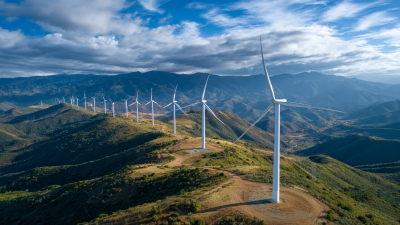
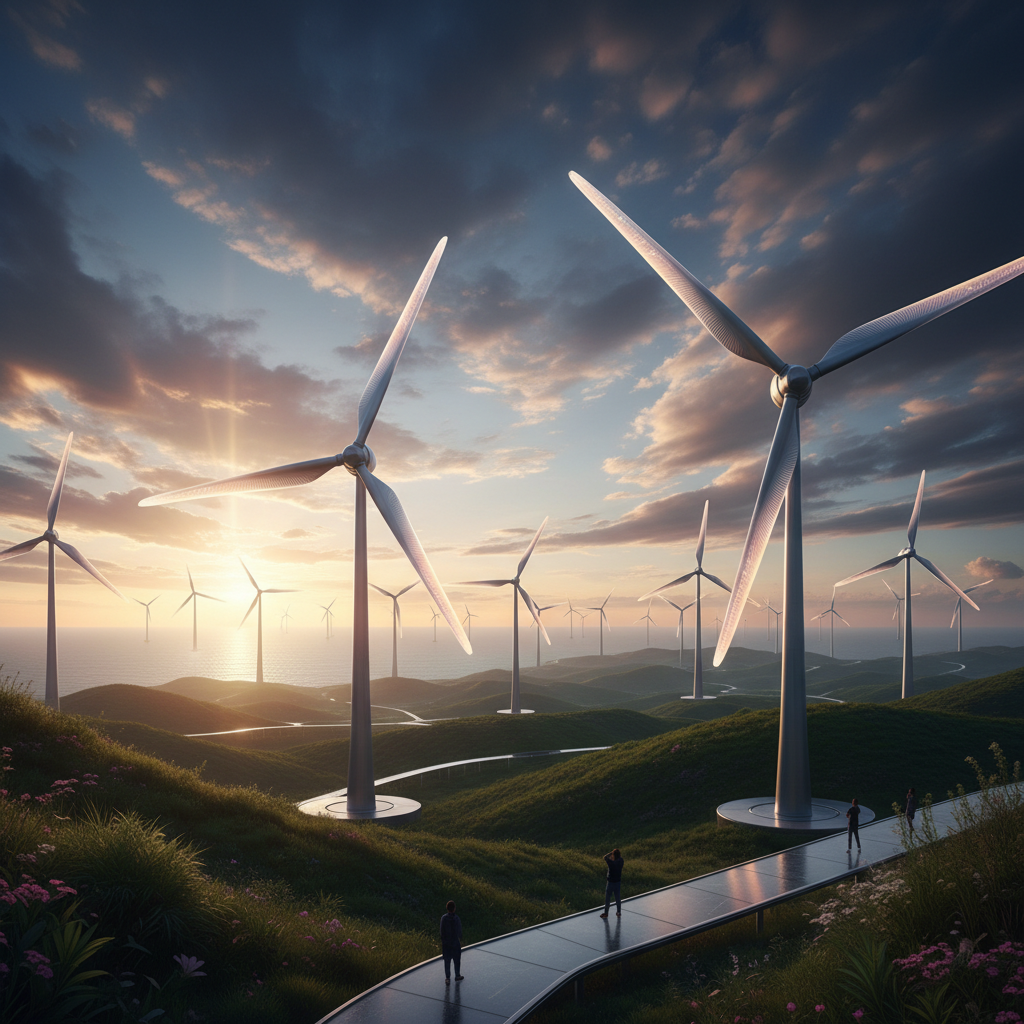
Advancements in wind energy are playing a pivotal role in shaping a sustainable power generation model for the future. The integration of innovative turbine designs, such as larger blades and more efficient materials, has led to significant increases in electricity output while reducing costs. These improvements not only enhance energy capture but also lower the environmental footprint of wind farms. As a result, wind energy is becoming a cornerstone of renewable energy strategies worldwide.

Moreover, the development of smart grid technology is transforming how wind energy is harnessed and distributed. By enabling real-time monitoring and management of energy flows, smart grids enhance the reliability and resilience of wind energy systems. This technology allows for better integration of diverse energy sources, ensuring that wind power can effectively complement other renewables like solar and hydro. Together, these advancements drive us closer to a greener future, where clean, sustainable energy sources dominate the global energy landscape.