2026 Top Renewable Energy for Home Solutions You Need to Know?
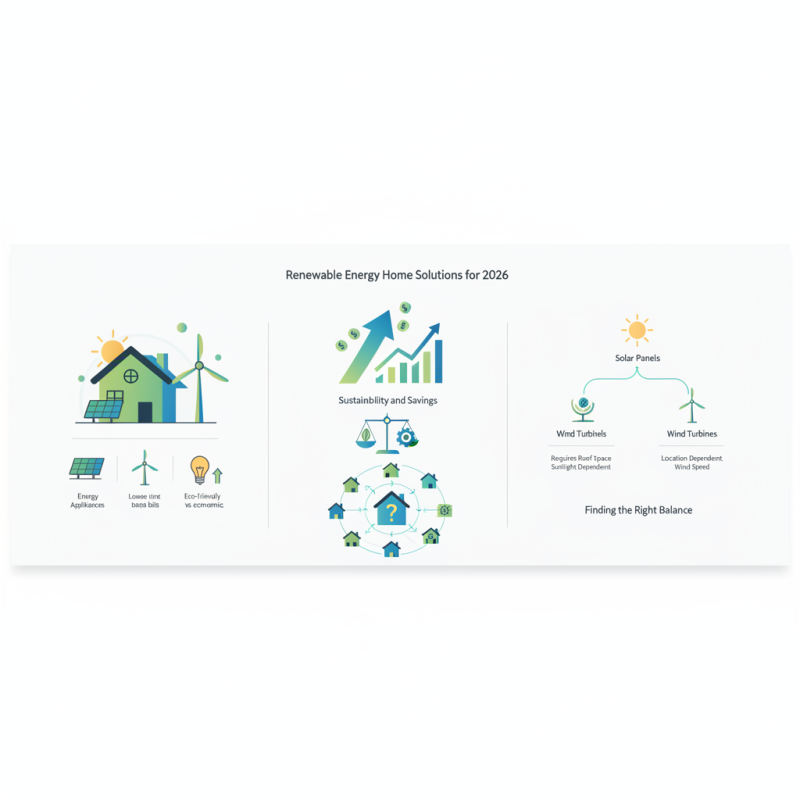
As we approach 2026, the importance of renewable energy for home solutions becomes increasingly evident. Homeowners are eager to adopt sustainable practices. They seek options that are not just eco-friendly, but also economically viable. Solar panels, wind turbines, and energy-efficient appliances are at the forefront of this transition.
The shift towards renewable energy for home usage is not just a trend. It reflects a deepening awareness of climate change and rising energy costs. Many families report lower utility bills after investing in these technologies. However, there are challenges. The initial investment for switching can be steep. Homeowners often wonder if they are making the right choice.
Exploration of various renewable energy options reveals both benefits and drawbacks. Solar energy often requires large roof space, and not all homes have this. Wind energy is effective but depends heavily on location. Finding the right balance of solutions is crucial for every household. This search for optimal energy solutions is a critical journey worth discussing.
Top Renewable Energy Sources for Home Use in 2026
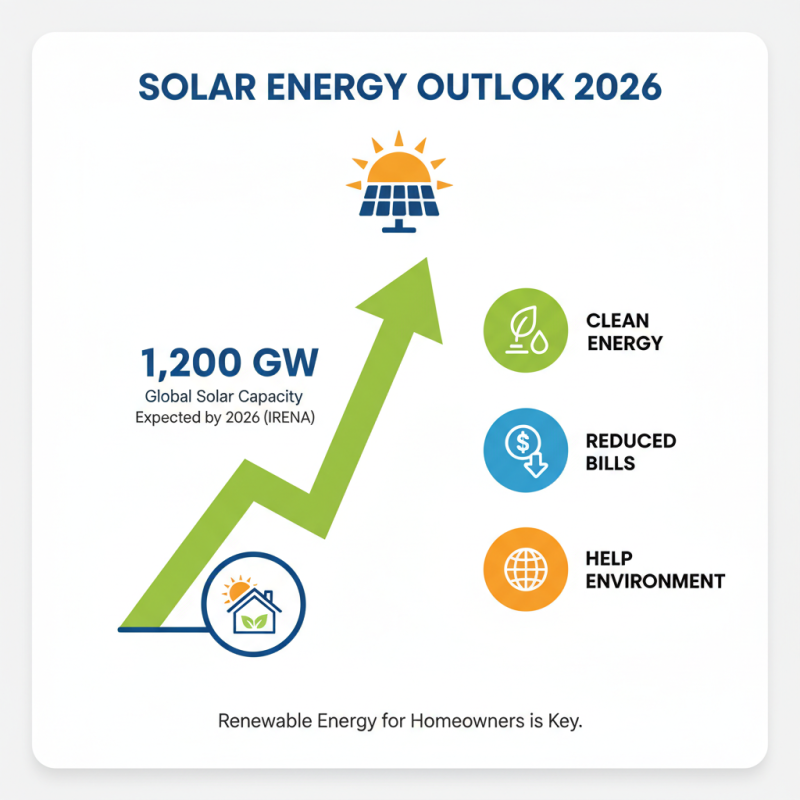
As we approach 2026, renewable energy sources are becoming more critical for homeowners. Solar energy remains a top choice. According to the International Renewable Energy Agency, solar capacity is expected to reach 1,200 GW by 2026. This growth allows homeowners to generate clean energy, reduce bills, and help the environment.
Wind energy is another promising option. The Global Wind Energy Council predicts that wind power will be a significant contributor, reaching over 1,000 GW globally. While installation can be costly, many homeowners are drawn to the long-term savings. However, the efficiency of small wind turbines isn’t always high, and site assessments are essential before investing.
Geothermal energy presents a less common but viable solution. Reports indicate that geothermal systems can reduce heating and cooling costs by 30-70%. However, not all locations are suitable, and installation can be challenging. It requires careful consideration of home energy needs and soil conditions. Homeowners must reflect on these factors to determine the best fit for their situation.
Solar Power Systems: Benefits and Installation Tips
Solar power systems are transforming the way homeowners harness energy. They offer sustainable solutions while reducing utility bills. The significant cost savings can be attractive. However, installation can be tricky. Homeowners should consider various factors before proceeding.
Choosing the right system is crucial. Assess your home’s energy needs carefully. Think about your roof's orientation. Some roofs may require adjustments before installation. Local weather patterns also play a significant role. Is your area prone to shade? This can impact efficiency dramatically.
Installation requires professional help in most cases. DIY enthusiasts may find some aspects manageable. But safety should be a priority. Making mistakes can be costly. Research installation tips from reliable sources. They can provide valuable insights. Consulting with experts will often save more time and headaches down the line. Solar power is a promising investment, but like any major project, it needs careful planning and reflection.
2026 Top Renewable Energy for Home Solutions You Need to Know
| Energy Solution |
Benefits |
Installation Tips |
Estimated Cost |
| Solar Power Systems |
Reduces electricity bills, low maintenance, environmentally friendly |
Choose the right size, consider orientation and shading, hire a professional installer |
$15,000 - $25,000 |
| Wind Energy Systems |
Can provide energy off-grid, low emissions, potential income from energy generation |
Assess average wind speed, local regulations, professional site assessment |
$5,000 - $70,000 |
| Geothermal Heating Systems |
High efficiency, low operating costs, sustainable |
Conduct soil tests, choose between vertical or horizontal systems, consider local climate |
$10,000 - $30,000 |
| Hydro Power Systems |
Reliable energy source, high efficiency, suitable for remote areas |
Ensure water flow availability, check for permits, select appropriate turbine technology |
$3,000 - $50,000 |
Wind Energy Solutions for Residential Areas
Wind energy is gaining traction as a viable solution for residential areas. According to the National Renewable Energy Laboratory (NREL), wind energy can provide up to 40% of the total electricity needs for a home. This is significant, especially as homeowners seek sustainable energy alternatives. Small wind turbines are now more accessible, making it easier for families to tap into this renewable resource.
However, the installation of wind turbines is not always straightforward. Local regulations can vary greatly, and some neighborhoods may have restrictions. Not every home is in an ideal location for wind energy generation. The wind must be consistently strong and directed; otherwise, you can have a costly setup with little return. NREL estimates that wind speeds of around 10 mph are optimal for small turbines.
Maintenance is another consideration. While wind turbines are generally durable, they require regular upkeep. Some homeowners might overlook this, leading to inefficiencies. Additionally, the initial investment can be high, and not everyone sees immediate savings. The journey into wind energy needs thoughtful evaluation but holds promise for eco-conscious homeowners.
2026 Top Renewable Energy Solutions for Homes
This chart illustrates the estimated annual energy output from various wind energy solutions designed for residential areas. The data showcases a range of options, providing valuable insights for homeowners considering renewable energy solutions.
Geothermal Heating and Cooling Options for Homeowners
Geothermal heating and cooling systems are becoming more popular among homeowners. According to the U.S. Department of Energy, these systems can reduce energy bills by 30% to 60%. This significant savings is appealing in today’s economy.
Geothermal systems use the earth's constant temperature to heat or cool homes. They require upfront investment, but many homeowners find the long-term benefits worth it. The initial installation can be complex and messy, leading to some frustration during the transition. The drilling process can disturb landscaping, and homeowners might not be prepared for that.
Yet, the environmental impact is considerable. Geothermal systems emit significantly lower greenhouse gases compared to traditional systems. Furthermore, they typically have a lifespan of over 20 years with proper maintenance. However, not every home is suitable for such systems, depending on geographic and geological conditions. Homeowners should thoroughly assess their property before committing to installation, weighing the pros and cons carefully.
Energy Storage Technologies for Maximizing Home Renewable Energy
Energy storage technologies are vital for optimizing home renewable energy systems. These solutions allow homeowners to harness solar and wind power more efficiently. According to the International Energy Agency (IEA), energy storage can increase the use of renewable energy by up to 30%. This shift can significantly reduce reliance on fossil fuels.
Battery options vary widely. Lithium-ion batteries are popular, but issues remain. They have a relatively short lifespan of 5-15 years. Their capacity to store energy fluctuates based on temperature and usage. Homeowners need to consider these factors carefully. On the other hand, newer technologies like flow batteries offer longer life and scalability. They remain less common but are gaining traction.
While the potential is immense, challenges persist. Installation costs can be high, affecting widespread adoption. Reports indicate that about 40% of homeowners cite pricing as a barrier. Additionally, proper maintenance is crucial. Neglect can lead to decreased efficiency. These realities highlight the complexity of integrating energy storage into everyday home solutions. Balancing efficiency and cost is a continual struggle for many.