Top Renewable Energy Solutions for Home Use What Are Your Options?
The demand for renewable energy for home use is growing rapidly. According to a report by the International Renewable Energy Agency (IRENA), the residential sector could reduce energy costs by up to 70% through renewable solutions. This shift is largely driven by increasing awareness of climate change and rising energy prices.
Homeowners now have several options to harness renewable energy, such as solar panels, wind turbines, and geothermal systems. Solar energy remains the most popular choice, accounting for nearly 60% of residential renewable installations in the U.S., according to the Solar Energy Industries Association (SEIA). However, many consumers struggle with understanding the initial costs and long-term savings, which can vary widely.
Each energy solution has its strengths and weaknesses. Solar can be effective in sunny regions but less so in areas with limited sunlight. Wind energy may not be feasible for all homeowners, especially in densely populated areas. Understanding these complexities is essential for making informed decisions. The journey toward sustainable energy is not perfect, requiring ongoing evaluation and adjustment.
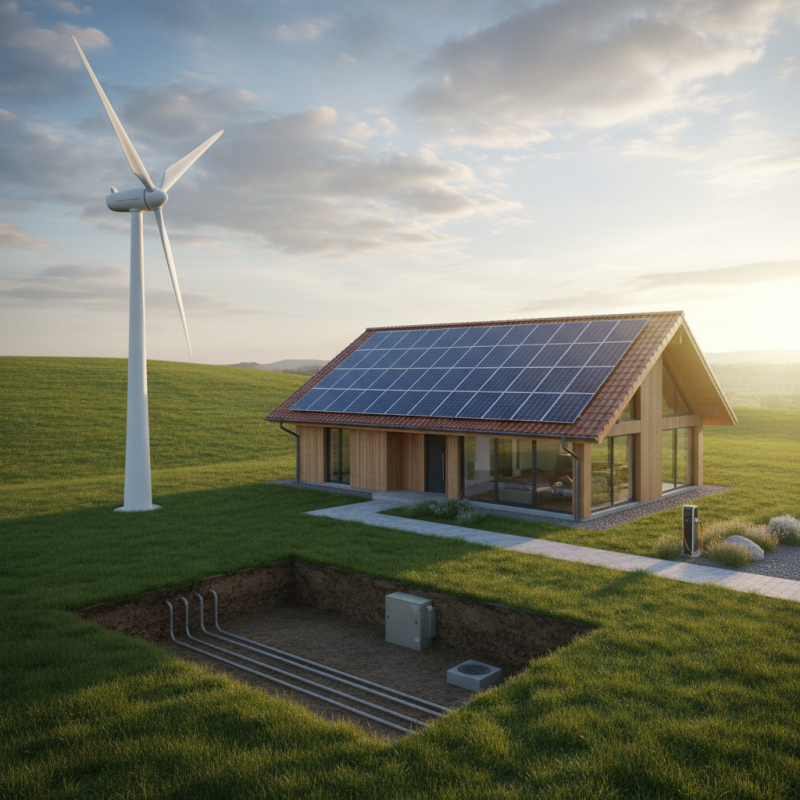
Understanding Renewable Energy Sources Available for Residential Use
Renewable energy sources for residential use are becoming increasingly vital. Homeowners have several options to consider, each with unique benefits and challenges. Solar energy leads the pack, with installed capacity nearly doubling in the past five years, according to renewable energy reports. A typical solar panel system can reduce your electricity bill by 50-70%.
Wind energy is another viable option, especially in open areas. Small wind turbines can generate enough power for an average household. Hydropower, while less common, may work for homes near streams or flowing water sources.
Tip: Research your local environment. Understanding sunlight exposure and wind patterns can help optimize energy production.
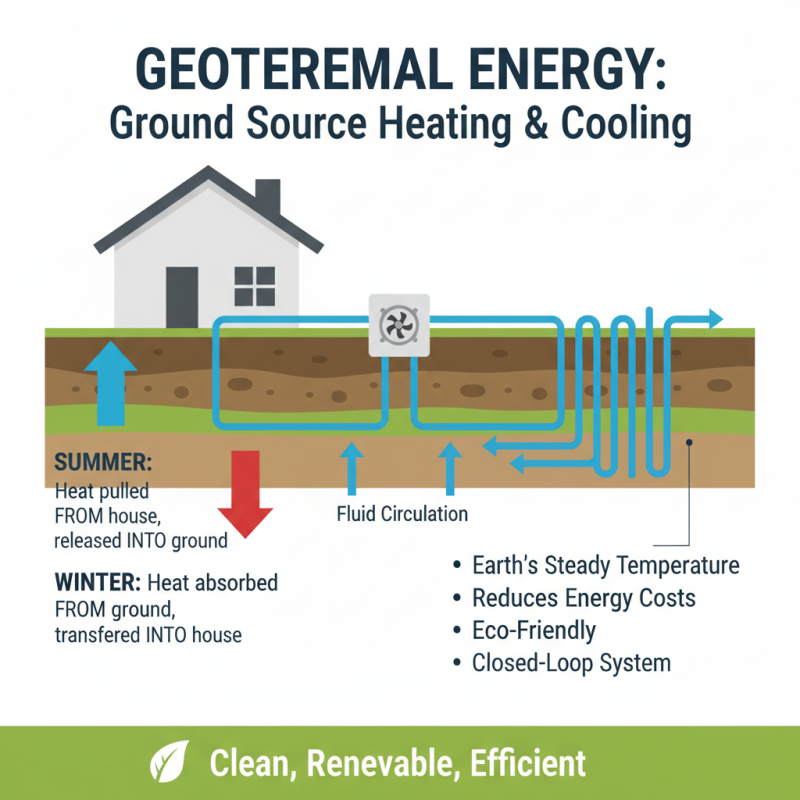
Geothermal energy offers a sustainable solution as well. This system uses the earth's heat to warm or cool your home. An investment today may pay off through lower utility costs over time. Reports indicate that geothermal systems can cut heating and cooling costs by up to 70%. However, installation can be costly and requires sufficient space.
Tip: Evaluate your budget versus long-term savings. Initial costs matter, but energy efficiency pays off in the long run.
While all these options present exciting possibilities, some limitations exist. For instance, solar panel efficiency can drop on cloudy days. Similarly, wind energy might not be reliable if average wind speeds are low. Be realistic about your energy goals and needs.
Solar Energy: Harnessing the Power of the Sun for Your Home
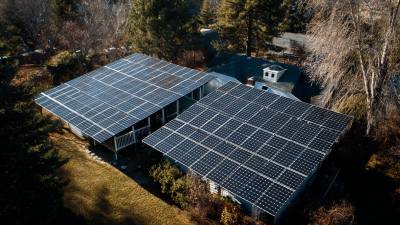
Solar energy is rapidly becoming a popular choice for homeowners. The sun provides an abundant renewable resource that can significantly reduce energy bills. According to the U.S. Department of Energy, residential solar panel systems can save homeowners an average of $20,000 over 20 years. This statistic highlights the financial benefits of embracing solar energy.
Installing solar panels can enhance energy independence. Many homeowners are seeking alternatives to grid power due to rising electricity costs. Research from the National Renewable Energy Laboratory indicates that solar energy installations are growing at a rate of around 20% annually. This data underscores the increasing demand for sustainable energy solutions in residential areas.
However, the initial cost of solar panel installation can be a hurdle. While prices have dropped significantly over the past decade, many still hesitate. The average installation cost today ranges from $15,000 to $25,000. Despite this, various incentives, like tax credits and rebates, can ease the financial burden. Homeowners need to weigh these factors carefully, ensuring they make informed decisions regarding solar energy investments.
Wind Energy Solutions: Utilizing Wind Turbines for Home Energy Needs
Wind energy is a compelling option for homeowners seeking sustainable solutions. Small wind turbines can effectively harness wind energy, transforming it into electricity. According to the American Wind Energy Association, residential wind systems can produce between 400 and 100,000 kilowatt-hours per year, depending on wind conditions and turbine size. This variability highlights the need for careful site assessment before installation.
Installing a wind turbine requires not just a good location, but also a commitment. Homeowners must consider zoning laws, local regulations, and grid connection permits. The upfront cost for a small wind turbine can range from $10,000 to $70,000, influenced by the size, design, and installation expenses. It might take years to recoup this investment, especially in areas with less favorable wind conditions.
Tips: Check average wind speeds in your area. This data is crucial for predicting energy output. Additionally, consider community wind projects. These can lower costs and enhance local energy stability. Adopting wind energy can be an overwhelming journey. Reflect on your energy needs and financial goals before diving in.
Energy Efficiency: Integrating Renewable Solutions into Your Home Design
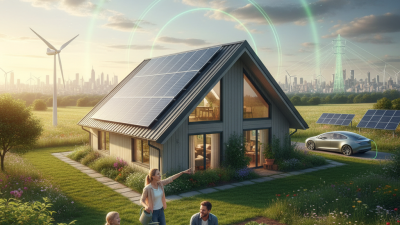
Integrating renewable energy solutions into home design can be challenging, yet rewarding. Homeowners need to consider various factors like orientation, climate, and existing structures. Solar panels, for instance, are most effective when installed on south-facing roofs. Making such choices early on can enhance energy efficiency significantly.
Energy efficiency goes beyond simply adding solar or wind power. Insulation plays a vital role too. Proper insulation reduces heat loss in winter and keeps homes cool in summer. Windows also require careful selection, as the right windows can minimize energy costs. Even small improvements can lead to substantial savings over time.
It’s easy to overlook the importance of energy audits. These assessments can reveal areas needing attention. Homes often have hidden inefficiencies that homeowners might miss. Keeping this in mind, it’s crucial to approach renewable integration holistically. An initial investment may be required, but the long-term benefits often outweigh the costs.