Top 5 Ways to Harness Renewable Energy for Your Home Efficiently
In an era where climate change and energy sustainability are paramount, homeowners are increasingly looking towards renewable energy solutions to power their lives. According to Dr. Emily Carter, a leading expert in renewable energy for home applications, "Transitioning to renewable energy not only reduces our carbon footprint but also empowers homeowners to take control of their energy costs." This insightful perspective highlights the dual benefits of harnessing clean energy sources, making the shift not just an environmental imperative but also a financially savvy decision.
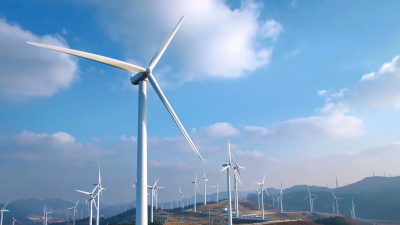
As we delve into the top five ways to efficiently utilize renewable energy for home, it’s crucial to recognize that the journey towards sustainability begins with informed choices. From solar panels harnessing the sun's power to innovative wind turbines turning breezes into electricity, the possibilities are diverse and increasingly accessible. Each method offers unique advantages that can significantly reduce reliance on fossil fuels, ultimately leading to a greener and more sustainable future.
By implementing these strategies, homeowners can not only enhance their energy independence but also contribute to a collective movement towards a more sustainable planet. Whether you are just starting your renewable journey or looking to optimize your current setup, these insights will guide you in making impactful changes that benefit both your home and the environment.

Understanding Different Types of Renewable Energy for Home Use
Renewable energy, often referred to as clean energy, originates from natural resources that replenish faster than they are consumed, such as solar, wind, and hydropower. In the U.S., the virtual power plant (VPP) market is projected to reach a value of $815.1 million by 2024, expanding at a remarkable compound annual growth rate of 19.04% during the forecast period. VPPs effectively harness the capabilities of small energy production and storage devices, making them a pivotal component in utilizing renewable resources for home energy efficiency.
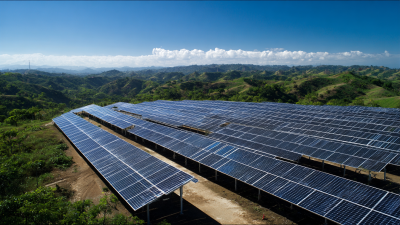
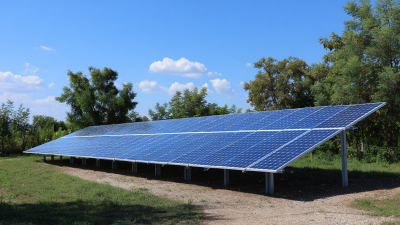
For homeowners looking to optimize renewable energy use, consider these tips: First, invest in solar panels. With decreasing costs and increasing efficiency, solar energy can significantly reduce electricity bills. Second, explore the potential of wind energy, especially if you live in a suitable area. Small wind turbines can provide a substantial portion of your energy needs. Lastly, invest in energy storage systems, such as batteries, to store excess energy generated for use during peak demand times, ensuring you make the most out of your renewable installations.
Adopting these renewable energy solutions not only enhances energy efficiency but also contributes to reducing carbon emissions, creating a healthier environment. As the market for renewables continues to grow, finding the right system to fit your needs is crucial in maximizing benefits.
Top 5 Renewable Energy Sources for Home Use
This bar chart illustrates the top 5 renewable energy sources commonly used in homes, showcasing their estimated efficiency ratings on a scale of 1 to 10. This can help homeowners understand which energy source may work best for them.
Choosing the Right Renewable Energy System for Your Specific Needs
When selecting the right renewable energy system for your home, it's crucial to begin with an assessment of your specific energy needs. Consider factors such as your average energy consumption, the size of your home, and the local climate conditions. For example, solar panels may be an ideal solution for homeowners in sunny regions, while wind turbines could be more appropriate for those living in areas with consistent wind patterns. Understanding these elements will guide you in choosing a system that effectively meets your energy requirements and optimizes efficiency.
Additionally, exploring the various technologies available can help you make a more informed decision. Solar energy systems, wind energy systems, and geothermal heating all offer unique benefits. If space is a constraint, a compact solar setup might be preferable, while larger properties could accommodate multiple wind turbines. Moreover, consider potential incentives and rebates available in your area, as these can significantly impact the initial investment cost. Tailoring your choice to your specific needs will not only enhance the efficiency of your renewable energy system but also contribute to long-term savings and sustainability.
Maximizing Energy Efficiency with Smart Home Technologies
As homeowners increasingly seek sustainable solutions, integrating
smart home technologies plays a pivotal role in maximizing
energy efficiency. According to the
International Energy Agency (IEA),
energy efficiency improvements can reduce global energy consumption by up to 30% by
2030. Smart thermostats, for instance, have been shown to save an average of
10-15% on heating and cooling bills, as they adapt to the user’s
habits and preferences, optimizing energy usage that aligns with household needs.

In addition to smart thermostats, energy-efficient lighting such as LED bulbs
can drastically lower electricity costs. The U.S. Department of Energy notes that LED lighting uses at
least 75% less energy than traditional incandescent bulbs and lasts 25 times longer,
contributing significantly to overall energy savings. Integrating these technologies into a home not only
harnesses renewable energy more effectively but also positions homeowners
to benefit from dynamic pricing and
real-time energy management, making sustainable living a reality. With
innovations like smart home energy management systems, users can track their consumption patterns and make
informed decisions, enhancing their overall energy efficiency in a holistic manner.
Incorporating Energy Storage Solutions for Continuous Power Supply
Incorporating energy storage solutions into your home renewable energy system is essential for achieving a reliable and continuous power supply. Batteries, which are the most common storage option, allow homeowners to store excess energy generated during peak production hours, such as midday for solar panels. This stored energy can then be utilized during periods of high demand or when production is low, like at night or on cloudy days. Modern battery technologies, such as lithium-ion and flow batteries, offer enhanced efficiency and longevity, making them an excellent investment for energy-conscious homeowners.
Moreover, integrating smart energy management systems can optimize the use of stored energy. These systems monitor energy consumption patterns and automatically switch to stored power when needed, ensuring that your home remains powered even during outages. Additionally, combining energy storage with renewable sources like solar or wind turbines not only maximizes energy independence but also provides an opportunity to reduce reliance on grid electricity, leading to significant savings in energy costs over time. With the right energy storage solutions in place, homeowners can enjoy a seamless and sustainable energy experience.

Exploring Government Incentives and Rebates for Renewable Energy Investment
Government incentives and rebates play a crucial role in making
renewable energy investments more accessible and
cost-effective for homeowners. Many countries and local governments offer
tax credits, grants, and rebates to encourage the adoption of
solar panels, wind turbines, and other renewable energy technologies.
These financial incentives can significantly reduce the initial installation
costs, allowing homeowners to recoup their investments much faster than
they would without such support. By researching and applying for
available programs, homeowners can lower their expenses and contribute
to a more sustainable future.
In addition to tax incentives, various loan
programs are designed to aid consumers in financing renewable energy
projects. These loans often come with favorable terms, including
low-interest rates and extended repayment periods, making it easier
for families to invest in green technologies.
Furthermore, many utility companies provide rebates for energy-efficient
upgrades, promoting both renewable energy production and energy
conservation. By leveraging these incentives and rebates, homeowners can
not only enhance their property’s value but also decrease their reliance
on fossil fuels while enjoying long-term savings on their energy bills.