How to Transition to Clean Energy for Your Home and Save Money
Transitioning to clean energy in your home is not just an environmentally friendly choice; it can also lead to significant cost savings in the long run. As concerns about climate change and energy sustainability continue to rise, more homeowners are exploring how clean energy solutions can reduce their carbon footprint while improving their overall energy efficiency. By investing in renewable energy sources such as solar panels, wind turbines, and energy-efficient appliances, homeowners can take proactive steps toward a more sustainable lifestyle.
In this guide, we will explore practical strategies for making the transition to clean energy. From understanding the available technologies to assessing the financial incentives and programs that can assist you, we aim to equip you with the knowledge to make informed decisions. Whether you are motivated by the desire to lower your utility bills or to contribute positively to the environment, transitioning to clean energy offers a pathway to achieve both goals. Embrace the opportunity to reduce energy costs and create a greener future for generations to come.

Understanding Clean Energy: Benefits and Cost Savings
Transitioning to clean energy not only benefits the environment but can also lead to significant cost savings for homeowners. Clean energy sources, such as solar, wind, and geothermal, often require an initial investment. However, many homeowners find that the long-term financial benefits outweigh these initial costs. For instance, solar panels can drastically reduce or even eliminate electricity bills. Additionally, various government incentives and rebates can help mitigate the upfront expense, making clean energy more accessible.
Beyond the immediate financial savings, clean energy can provide protection against rising utility costs. Traditional energy sources are often subject to fluctuations in price due to market conditions and geopolitical factors. By investing in renewable energy, homeowners can stabilize their energy costs over time. Furthermore, clean energy systems generally require less maintenance than conventional systems, leading to lower ongoing expenses. As more homeowners make the switch to clean energy, they not only contribute to a healthier planet but also secure their financial future against the unpredictability of fossil fuel markets.
How to Transition to Clean Energy for Your Home and Save Money - Understanding Clean Energy: Benefits and Cost Savings
| Aspect |
Description |
Estimated Savings ($/year) |
Environmental Impact (CO2 Reduction in tons/year) |
| Solar Panels |
Convert sunlight into electricity for home use. |
$1,500 |
6.5 |
| Energy-Efficient Appliances |
Use appliances that consume less energy. |
$500 |
1.5 |
| Insulation Upgrades |
Improve home insulation to reduce heating and cooling costs. |
$750 |
2.0 |
| Smart Thermostats |
Automate and optimize heating and cooling schedules. |
$200 |
0.5 |
| Wind Turbines |
Generate electricity using wind energy. |
$2,000 |
8.0 |
Assessing Your Energy Needs and Usage Patterns
Assessing your energy needs and usage patterns is a crucial first step in transitioning your home to clean energy. Start by conducting a thorough energy audit. This involves examining your current energy consumption, identifying peak usage times, and determining which appliances and systems consume the most electricity. Utilize tools such as smart meters or energy monitoring apps to gain insights into your daily energy patterns. Understanding when and where you use the most energy will help you make informed decisions about which clean energy solutions are most suitable for your home.
Once you have a clear picture of your energy usage, consider how your energy needs might evolve in the future. For instance, if you plan to purchase electric vehicles or add new appliances, factor these into your energy assessment. Additionally, analyze how your local climate impacts energy needs, as this can influence heating and cooling requirements. With a comprehensive understanding of your energy patterns, you can effectively explore options like solar panels, energy-efficient appliances, and smart home technology, ultimately leading to both reduced energy bills and a smaller environmental footprint.
Exploring Renewable Energy Options for Your Home
Transitioning to clean energy for your home not only helps the environment but can also lead to significant cost savings.
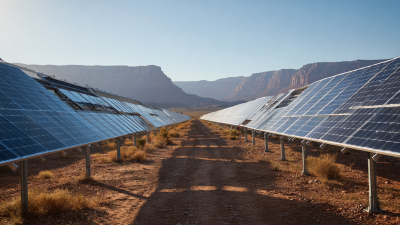
One popular renewable energy option is solar power. By installing solar panels, homeowners can harness sunlight to generate electricity, which can reduce monthly energy bills.
Additionally, many regions offer incentives and tax credits for solar installations, making this option even more financially appealing.
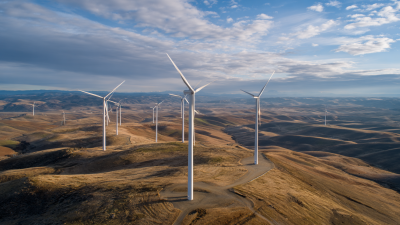
Another viable option is wind energy, particularly for those living in areas with consistent winds.
Small residential wind turbines can be installed to capture wind energy and convert it into electricity. Like solar power, wind energy can lower utility costs and provide energy independence.
Moreover, utilizing renewable energy sources like geothermal heating can further enhance energy efficiency in your home, resulting in both environmental benefits and long-term savings on heating and cooling expenses.
By exploring these renewable energy options, homeowners can effectively transition to clean energy while enjoying economic advantages.
Financial Incentives and Rebates for Clean Energy Transition
Transitioning to clean energy for your home can be both an environmentally friendly and financially savvy decision. Many governments and local authorities offer a variety of financial incentives and rebates to encourage homeowners to make the switch. These can include tax credits for the installation of solar panels, reduced utility bills through participation in renewable energy programs, and grants for energy-efficient home improvements. By taking advantage of these incentives, you can significantly lower the upfront costs associated with clean energy technologies.
In addition to state and federal incentives, utility companies often provide rebates for energy-efficient appliances and systems. Such programs can help offset the costs of energy-saving upgrades, like high-efficiency HVAC systems or smart thermostats. Furthermore, some regions feature performance-based incentives that reward homeowners for producing their own energy. This not only enhances financial savings but also promotes a sustainable lifestyle.
Overall, by exploring these financial tools, homeowners can effectively transition to clean energy while reaping substantial economic benefits.
Steps to Implementing Clean Energy Solutions Effectively
Transitioning to clean energy for your home can seem daunting, but with a structured approach, it can be both efficient and cost-effective. The first step is to conduct an energy audit. This process involves assessing your home’s current energy usage and identifying areas for improvement. Professionals can help pinpoint where you can save energy, which not only reduces your environmental impact but also lowers your utility bills.
Once you have a clear understanding of your energy consumption, you can begin implementing specific clean energy solutions. Installing solar panels is one of the most impactful changes you can make. Evaluate your roof's suitability and research local incentives or tax credits to offset installation costs. Additionally, consider integrating energy-efficient appliances and smart home technologies that optimize energy use. These upgrades not only promote sustainability but also contribute to significant savings over time, making a clean energy transition not just an eco-friendly choice, but a financially savvy one as well.