How to Transition to Clean Power for a Sustainable Future?
As the world grapples with climate change, the transition to clean power becomes critical. According to a report by the International Renewable Energy Agency (IRENA), renewable energy sources could fulfill up to 86% of the global power demand by 2050. This shift not only mitigates greenhouse gas emissions but also creates millions of jobs in emerging industries.
However, the path to clean power is fraught with challenges. Infrastructure investments, policy frameworks, and technology adoption must align to support this transition. In addition, social and economic disparities can hinder equitable access to clean energy solutions. The Global Renewable Energy Outlook emphasizes the need for targeted investments and innovative strategies to facilitate this transformation.
The urgency for clean power solutions is evident. The World Resources Institute (WRI) highlights that changing energy systems can reduce carbon emissions by 70%. Yet, various regions face different hurdles and opportunities in this journey. A one-size-fits-all approach may not be effective. Understanding local contexts and needs is essential for a successful transition.
Understanding Clean Power: Concepts and Benefits
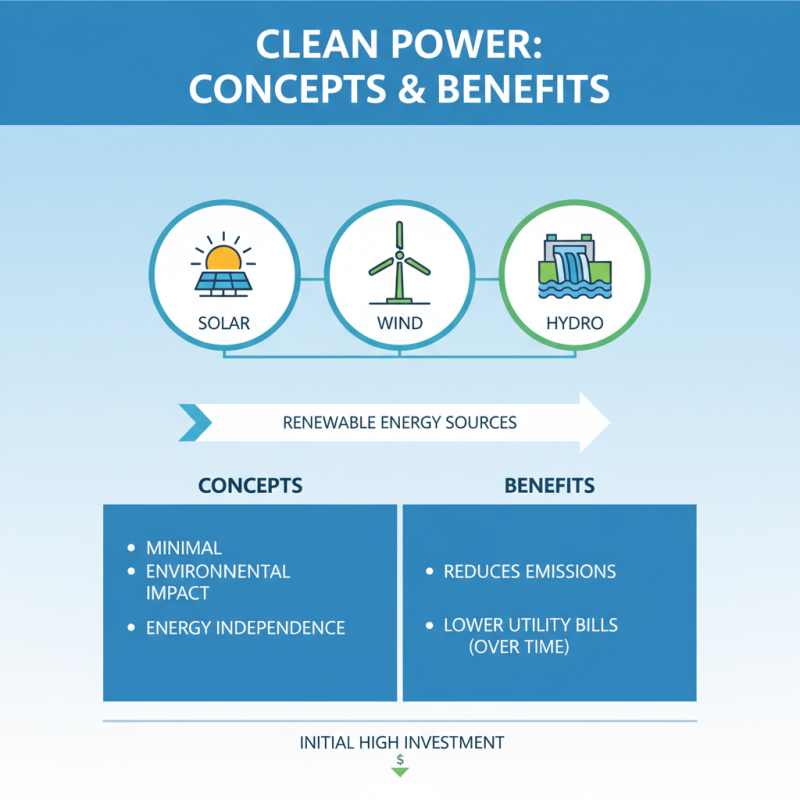
Transitioning to clean power involves understanding its core concepts and advantages. Clean power refers to energy sources that are renewable and have a minimal environmental impact. Solar, wind, and hydroelectric power are prime examples. These sources not only help reduce greenhouse gas emissions but also promote energy independence. Using clean power can lead to lower utility bills over time. However, the initial investment can be high.
Adopting clean power also enhances energy security. It diversifies the energy supply, making systems more resilient against economic fluctuations. Many regions have abundant renewable resources waiting to be tapped. Despite this potential, some communities face challenges in infrastructure or policy support. Increased accessibility to clean energy technologies can help bridge these gaps. Education and awareness are key to driving this transition.
While the move towards clean energy is promising, it is not without obstacles. Some individuals may struggle to break free from traditional energy sources. Socioeconomic factors can hinder progress in adopting clean power. A holistic approach is necessary. Collaboration between stakeholders, including governments and local communities, can bring about sustainable solutions. Understanding these elements paves the way for a future that balances both energy needs and environmental health.
Assessing Current Energy Sources and Their Environmental Impact
Transitioning to clean power involves a thorough assessment of current energy sources. Traditional fossil fuels dominate the energy landscape, contributing significantly to greenhouse gas emissions. According to the International Energy Agency (IEA), coal and natural gas account for about 70% of the world's electricity production. These energy sources are not only finite but also environmentally damaging. For instance, burning coal releases sulfur dioxide and particulate matter, leading to air pollution and health issues.
Renewable energy sources, like solar and wind, present a more sustainable alternative. The Global Wind Energy Council reports that wind power generation has increased by 53% from 2019 to 2020. However, shifting to renewables isn't without challenges. Solar panels often rely on rare materials, raising concerns about mining practices. Additionally, energy storage solutions are still evolving, limiting consistent power supply from intermittent sources like wind and solar.
Evaluating the environmental impact of these energy sources is crucial. Life Cycle Assessments (LCAs) indicate that while renewables have a lower carbon footprint, their production processes can also generate waste and emissions. This highlights the need for a comprehensive approach to power transition, ensuring that environmental benefits outweigh drawbacks and promoting sustainable practices across the board.
Strategies for Transitioning to Renewable Energy Solutions
Transitioning to renewable energy is essential for a sustainable future. Many strategies can facilitate this change. Communities often start by assessing local resources. Wind and solar power are popular options. Assessing the feasibility of these resources can provide valuable insights into potential energy yields. Engaging local stakeholders can raise awareness and support for new projects.
Investing in energy efficiency measures is another key strategy. This includes updating infrastructure and encouraging the use of energy-efficient appliances. Simple actions can lead to significant energy savings. Moreover, educational campaigns can help individuals understand their energy consumption. Promoting small changes, like switching off lights, can contribute to larger goals.
However, challenges remain. Not every region is suited for every type of renewable energy. Geographic limitations can affect energy production. Additionally, initial costs for renewable infrastructure can be high. This requires careful financial planning. Communities must reflect on their energy needs and available resources to create effective solutions. Transitioning is not just about technology; it’s also about collaboration and commitment.
Transition to Clean Power: Investment in Renewable Energy Sources (2020-2023)
Implementing Energy Efficiency Measures in Various Sectors
Energy efficiency measures play a crucial role in the transition to clean power. By reducing energy waste, we can lower emissions significantly. For example, retrofitting buildings with better insulation can cut heating needs. Switching to LED lighting uses less energy while providing the same brightness. These steps are essential for creating a sustainable environment.
Industries also have a vital role in improving energy efficiency. Implementing advanced technologies can lead to major savings. Factories often waste energy through outdated machinery. Upgrading to energy-efficient equipment can reduce costs and environmental impact. However, there are challenges. Some industries resist change due to upfront costs. Educating stakeholders about long-term benefits is necessary.
Transportation is another sector that requires efficiency upgrades. Electric vehicles are gaining popularity. However, the infrastructure for charging stations still needs improvement. Encouraging public transport can reduce individual car use. Yet, there's a need for better service and availability. Addressing these issues will create a cleaner, more sustainable energy future.
How to Transition to Clean Power for a Sustainable Future? - Implementing Energy Efficiency Measures in Various Sectors
| Sector |
Energy Consumption (MWh) |
Energy Savings Potential (%) |
Investment Required (Million $) |
Payback Period (Years) |
| Residential |
150,000 |
30% |
250 |
5 |
| Commercial |
200,000 |
25% |
300 |
4 |
| Industrial |
500,000 |
40% |
1000 |
6 |
| Transportation |
300,000 |
20% |
500 |
3 |
| Agriculture |
100,000 |
15% |
150 |
7 |
Policy Innovations and Community Engagement for Sustainable Energy Transition
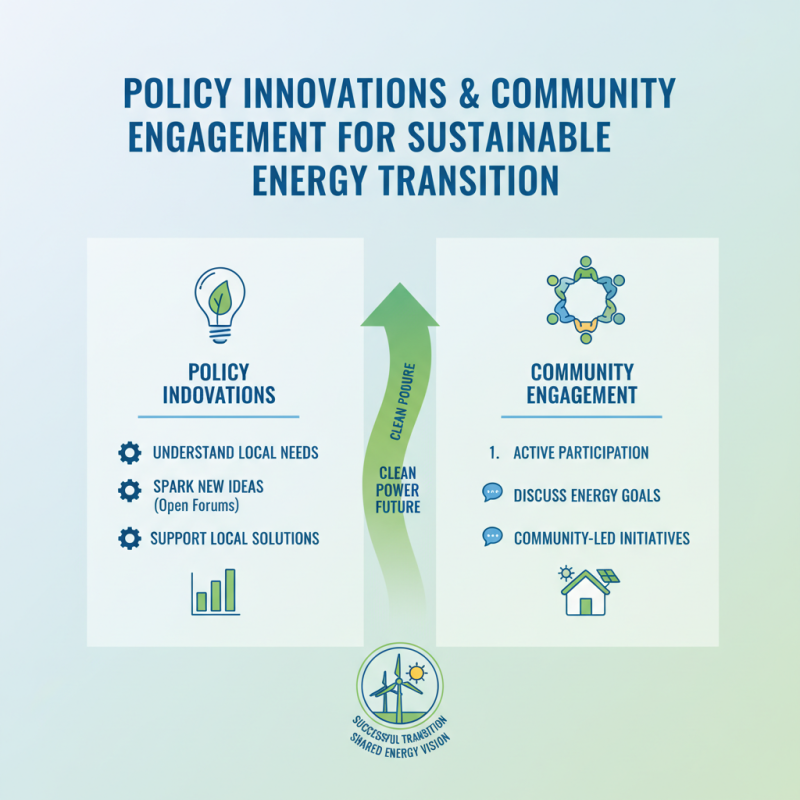
Transitioning to clean power requires innovative policies and active community engagement. These elements combine to create a sustainable energy future. Policymakers need to understand local needs. Engaging residents in discussions about energy goals is vital. Open forums can spark new ideas. In many places, community-led initiatives have proven effective. They often lead to successful local solutions, sometimes where top-down approaches fail.
Communities can adopt renewable energy sources like solar or wind. However, challenges remain. Not all neighborhoods have the same resources or awareness. Some areas may feel disconnected from the energy transition. Ensuring equitable access to renewable technologies is crucial. Thoughtful policies must address these disparities. Workshops and educational campaigns can help bridge this gap. Encouraging participation empowers residents. They can become advocates for sustainable practices.
Many policies need constant assessment. Feedback loops are essential to improve strategies. While some initiatives succeed, others might need reevaluation. It is important to learn from failures. Community voices should shape energy policies. Engaging everyone fosters a sense of ownership. This connection is key to a robust energy transition. By working together, communities can truly transform their energy landscape.