Unlocking the Secrets of Natural Power: How Earth’s Forces Shape Our Future Energy Solutions
As the global demand for sustainable energy solutions continues to escalate, unlocking the secrets of natural power becomes increasingly vital for shaping our future energy landscape. According to the International Energy Agency (IEA), renewables accounted for almost 30% of global electricity generation in 2022, a testament to their growing significance in our energy mix. The abundant forces of nature, such as solar, wind, and hydroelectric power, present not just an alternative to traditional fossil fuels but a pathway to achieving climate goals. The World Resource Institute notes that by 2030, wind and solar energy can meet up to 70% of electricity needs in certain regions, further underscoring the potential of natural power. This article delves into how harnessing these natural forces is not only essential for energy security but also for fostering economic resilience and environmental sustainability in the face of global challenges.
Harnessing Geothermal Energy: A Deep Dive into Earth's Heat
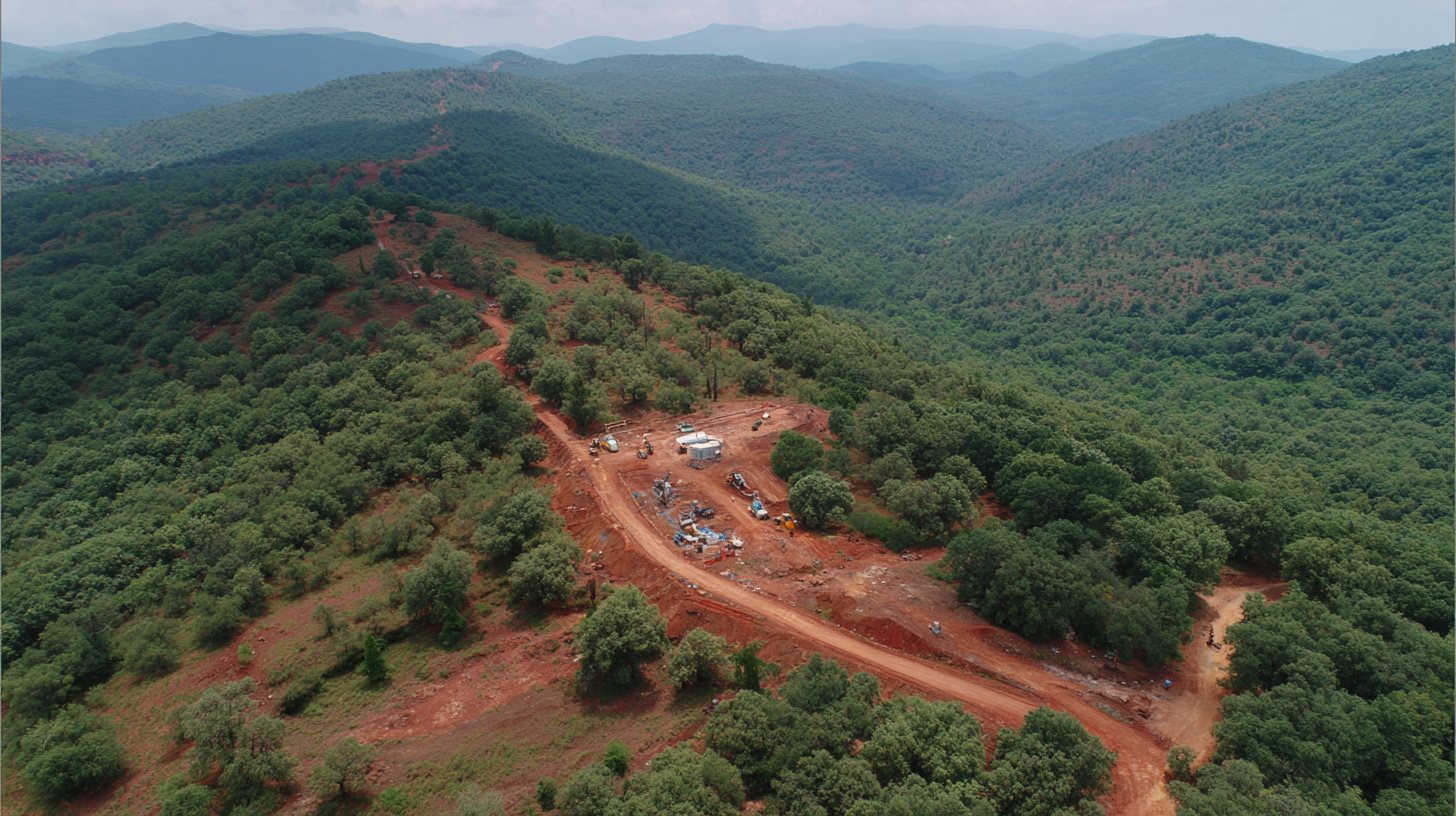
Geothermal energy, derived from the Earth’s internal heat, presents a promising solution for sustainable energy production. According to the U.S. Department of Energy, geothermal resources could deliver up to 11 gigawatts of power by 2050, significantly contributing to the transitional shift toward renewable energy. The process involves harnessing steam or hot water from underground reservoirs, providing a reliable and consistent energy source, unlike solar and wind energy, which can be variable in reliability.
In recent years, advancements in geothermal technology have made it more accessible and efficient. The International Geothermal Association reports that installed geothermal power capacity worldwide reached approximately 15.4 gigawatts in 2020, with countries like the United States, Indonesia, and the Philippines leading the charge. As we delve deeper into the Earth, innovative methods such as enhanced geothermal systems (EGS) are being developed. These methods allow for energy extraction from areas without conventional geothermal resources, showcasing the vast potential of this renewable energy source in shaping our future energy solutions.
Tapping into Solar Power: Benefits of Solar Energy for a Sustainable Future
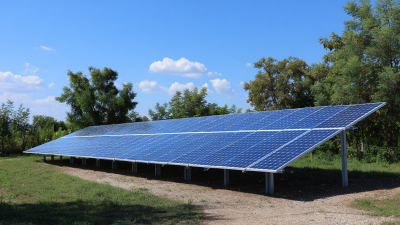
 Solar energy stands out as a beacon of hope in our quest for sustainable future energy solutions. Harnessing the power of the sun, we can significantly reduce our reliance on fossil fuels, thereby mitigating the adverse effects of climate change. Solar panels convert sunlight into electricity, allowing households and businesses to generate clean energy from an abundant and renewable source. The deployment of solar technology not only lowers energy bills but also decreases greenhouse gas emissions, creating a greener planet for future generations.
Moreover, the benefits of solar energy extend beyond environmental impacts. It promotes energy independence by diversifying the energy portfolio and reducing vulnerability to fluctuating fossil fuel prices. Additionally, advancements in solar technology have led to increased efficiency and affordability, making solar installations accessible to a wider audience. As governments and communities invest in solar infrastructure, we can expect job creation in the renewable energy sector, driving economic growth while fostering a sustainable future. Embracing solar power is not just an environmental imperative; it’s a pathway to a resilient and prosperous energy landscape.
Wind Energy Innovations: How Nature's Breeze Can Fuel Tomorrow
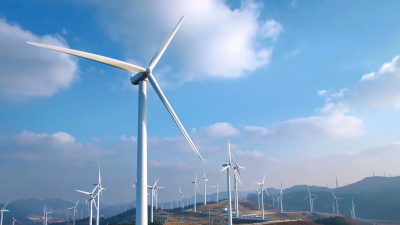
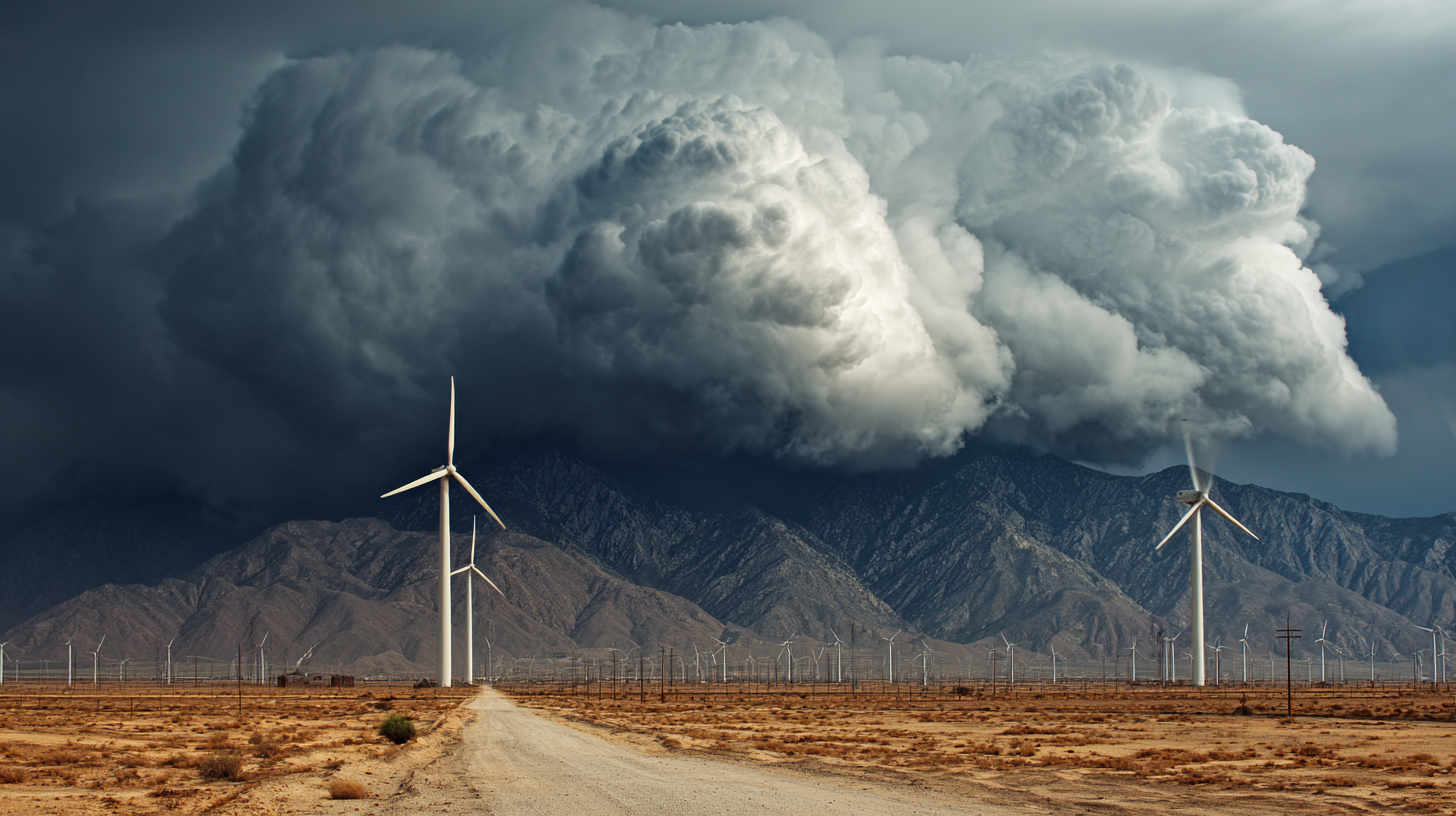
Wind energy represents one of the most promising sectors in the pursuit of sustainable energy solutions. As advances in technology and engineering continue to evolve, the harnessing of nature's breeze becomes increasingly efficient and cost-effective. Today’s modern wind turbines are designed with innovative aerodynamics and materials that maximize energy capture, allowing for greater electricity output even in areas with lower wind speeds. This innovation not only bolsters the reliability of wind energy but also enhances its role in a diversified energy portfolio.
Moreover, the integration of wind energy into smart grids offers a pathway to effectively balance supply and demand, accommodating fluctuations in energy production due to weather conditions. By leveraging predictive analytics and real-time data, utilities can optimize the energy distribution from these renewable sources, minimizing reliance on fossil fuels. As investments in wind energy continue to grow, exploring offshore wind farms and other untapped locations becomes vital. These developments signal a shift towards cleaner energy practices while demonstrating that nature itself can be a powerful ally in our quest for a sustainable future.
Unlocking the Secrets of Natural Power: How Earth’s Forces Shape Our Future Energy Solutions - Wind Energy Innovations: How Nature's Breeze Can Fuel Tomorrow
| Category |
Description |
Current Capacity (GW) |
Projected Growth (GW by 2030) |
Key Innovations |
| Onshore Wind |
Wind turbines installed on land. |
650 |
900 |
Larger turbine blades, improved materials |
| Offshore Wind |
Wind turbines installed in ocean or large water bodies. |
40 |
150 |
Floating platforms, advanced anchoring systems |
| Vertical Axis Wind Turbines |
Turbines with blades that rotate around a vertical axis. |
5 |
25 |
Enhanced design for urban environments |
| Wind Farm Efficiency Technologies |
Technologies to optimize the output of wind farms. |
N/A |
N/A |
Smart grid integration, predictive analytics |
The Role of Hydropower in Renewable Energy: Waves of Change
Hydropower stands out as a vital component in the landscape of renewable energy, harnessing the immense power of water to generate electricity. As we seek sustainable solutions to counter climate change, the potential of hydropower grows increasingly palpable. Utilizing rivers, lakes, and even the ocean's tides, hydropower systems can produce consistent energy while boasting a low carbon footprint. This reliability is particularly crucial as other renewable sources like solar and wind can be variable, making hydropower a steady, dependable option.
**Tip:** Consider exploring local hydropower projects in your area. Engaging with community initiatives can deepen your understanding of how these systems operate and their benefits.
The evolution of hydropower technology is paving the way for waves of change in energy production. From small-scale run-of-the-river plants to large dams, innovations are enhancing efficiency and reducing environmental impacts. Additionally, emerging technologies such as underwater turbines and wave energy converters are tapping into new sources of kinetic energy. These advancements not only increase our energy portfolio but also contribute to job creation and sustainable development.
**Tip:** When advocating for renewable energy, highlight the multifaceted benefits of hydropower, including its role in flood control and water supply management. Engaging in discussions about these benefits can promote wider acceptance of hydropower initiatives.

Utilizing Earth's Resources: The Rise of Biomass and Its Potential
Biomass energy is gaining significant attention as a sustainable solution to our growing energy demands. It utilizes organic materials, such as plant matter and agricultural waste, converting them into electricity, heat, and biofuels. This approach not only harnesses the energy embedded in these materials but also promotes waste reduction and helps in managing carbon footprints. By tapping into agricultural and forestry byproducts, communities can thrive economically while contributing to climate change mitigation.
Furthermore, the rise of biomass presents an opportunity to innovate within the renewable energy sector. Advances in technology have improved the efficiency of biomass conversion processes, making it a feasible alternative to fossil fuels. As society shifts towards greener energy sources, biomass offers a dual benefit—the replenishment of ecosystems through sustainable practices and a substantial energy supply. By unlocking the potential of biomass, we can create a resilient energy structure that harnesses Earth's abundant resources, fundamentally reshaping our approach to future energy solutions.