Why Wind Power is the Future of Renewable Energy: Benefits and Challenges Explained
In recent years, the urgency of transitioning to renewable energy sources has become a critical topic in the fight against climate change. Among various renewable technologies, wind power stands out not only for its potential to reduce carbon emissions but also for its ability to generate sustainable energy at an increasing scale. As Dr. Emily Stroud, a leading expert in wind energy research, aptly noted, "Harnessing the power of the wind is not just about generating electricity; it's about paving the way for a cleaner, more resilient future." This statement encapsulates both the promise and the challenges that accompany the expansion of wind power.
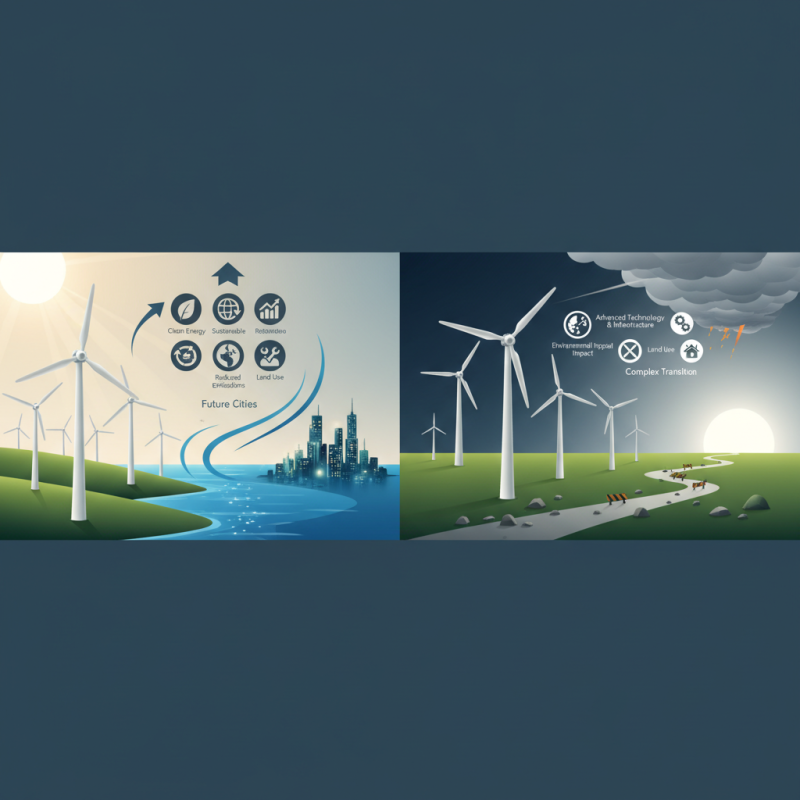
As countries around the globe seek to meet their energy needs sustainably, wind power presents numerous benefits. It offers the advantage of being a clean, inexhaustible resource that can significantly diminish reliance on fossil fuels. However, the transition to wind energy is not without its hurdles. From the need for advanced technology and infrastructure to debates surrounding environmental impact and land use, the journey towards a wind-powered future is complex and multifaceted. In this article, we will explore the myriad benefits wind power has to offer, as well as the challenges that must be addressed to fully harness its potential for a greener tomorrow.
The Rising Importance of Wind Power in Renewable Energy Sector
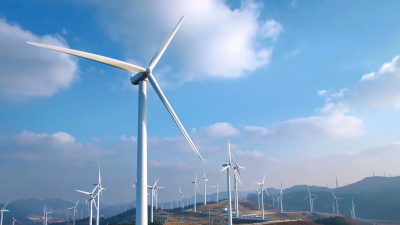
The rising importance of wind power in the renewable energy sector cannot be overstated as countries increasingly seek sustainable alternatives to fossil fuels. Wind energy is becoming a cornerstone of clean energy strategies worldwide, driven by advancements in technology that enhance efficiency and reduce costs. Modern wind turbines are now capable of generating significant electricity even at lower wind speeds, making wind farms viable in a broader range of geographical locations. This expansion underscores wind power's critical role in meeting energy demands while mitigating carbon emissions.
Moreover, wind energy contributes to energy independence and security, allowing nations to diversify their energy sources and reduce reliance on imported fossil fuels. As governments set ambitious climate goals, the integration of wind energy not only supports these initiatives but also stimulates economic growth through job creation in manufacturing, installation, and maintenance sectors. Despite the challenges that still exist, such as intermittency and land use considerations, the push for innovation and improved infrastructure continues to position wind power as a leading player in the transition towards a more sustainable energy future.
Key Benefits of Wind Energy: Environmental, Economic, and Social Impacts
Wind energy presents a multitude of benefits that significantly impact the environment, economy, and society.
Environmentally, wind power plays a crucial role in reducing greenhouse gas emissions.
Unlike fossil fuels, wind turbines generate electricity without releasing harmful pollutants, contributing to cleaner air and aiding in climate change mitigation.
Additionally, wind energy utilizes a renewable resource — the wind — which means it has the potential for sustainable energy production without depleting natural resources.
This renewable nature minimizes the ecological footprint associated with energy generation, preserving ecosystems and biodiversity.
Economically, wind power has emerged as one of the most cost-effective sources of electricity generation.
The declining cost of turbine technology, alongside governmental incentives, has made wind installations increasingly viable.
Moreover, wind projects create jobs in manufacturing, installation, and maintenance, boosting local economies.
The energy generated from wind farms also contributes to energy independence, reducing reliance on imported fuels and enhancing national security.
Socially, communities that embrace wind energy benefit from enhanced infrastructure, including roads and grid improvements.
Furthermore, the opportunity for local investment in wind projects allows residents to share in the financial benefits, promoting community engagement and support for renewable energy initiatives.
Challenges Faced by Wind Power: Technical, Economic, and Social Considerations
Wind power represents a significant advancement in renewable energy, yet it faces several challenges that hinder its widespread adoption. Technically, wind turbines require substantial infrastructure and maintenance. Issues such as wear and tear from harsh weather conditions can lead to increased downtime and repair costs, complicating the operational reliability of wind farms. Furthermore, the efficiency of wind energy can be highly variable, depending on geographical location and seasonal changes, which adds to the challenge of ensuring a stable energy supply.
Economically, while the initial setup costs for wind farms can be high, ongoing investments in technology and grid integration can pose additional financial challenges. The market for energy is influenced heavily by government policies and subsidies, which can fluctuate and impact the economic viability of wind projects. Additionally, wind energy must compete with established fossil fuel sources, which may still receive preferential treatment in terms of pricing and infrastructure.
Tips for addressing these challenges include investing in research and development to improve turbine technology and storage solutions, which can help mitigate efficiency issues. Collaborating with local communities can enhance public support and facilitate the integration of wind energy into existing energy frameworks. Furthermore, policymakers should be encouraged to create stable, long-term incentives for renewable energy investments, ensuring that wind power can flourish economically while contributing positively to the environment.
Technological Innovations Driving the Future of Wind Energy Development
Technological innovations are at the forefront of driving the future of wind energy development, significantly enhancing efficiency and reducing costs. According to the Global Wind Energy Council, the global installed capacity of wind power reached 743 GW in 2020, with advancements in turbine design being a major factor in this growth. Newer models, featuring larger rotor diameters and advanced materials, are capable of capturing more wind energy at lower wind speeds. This technological leap not only increases energy output but also allows for the installation of wind farms in a broader range of locations, including areas previously deemed unsuitable for wind generation.
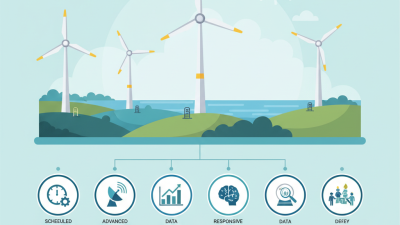
Moreover, digital technologies such as IoT and AI are transforming the operational efficiency of wind farms. Predictive maintenance powered by AI can forecast potential equipment failures, minimizing downtime and reducing maintenance costs by up to 20%, as reported by the International Renewable Energy Agency. In addition, the integration of data analytics allows for real-time monitoring and optimization of energy production, improving overall performance. With these advancements, the wind energy sector is not only becoming more competitive but also more resilient, paving the way for a sustainable energy future that can meet the growing global demand for renewable sources.
Why Wind Power is the Future of Renewable Energy: Benefits and Challenges Explained
| Dimension |
Data |
| Global Wind Capacity (2023) |
936 GW |
| Average Wind Turbine Height |
120 meters |
| Cost Reduction (2010-2023) |
-70% |
| Projected Growth Rate (2024-2030) |
9.8% |
| Land Use per MW of Wind Energy |
0.3 hectares |
| CO2 Emission Reduction Potential (2023) |
1.8 billion tons |
| Top Wind Energy Producing Country |
China |
| Community Acceptance Rate |
75% |
| Challenges Faced by Wind Energy |
Intermittency, Noise Issues, Wildlife Impact |
Global Trends and Future Prospects of Wind Power Adoption Worldwide
The global landscape for wind power adoption is rapidly evolving, driven by advances in technology, supportive government policies, and a growing awareness of the need for sustainable energy sources. Countries around the world are increasingly investing in wind energy infrastructure, seeing it as a pivotal component in their strategies for energy transition. Leading nations in wind power, such as those in Europe and North America, are setting ambitious targets for renewable energy expansion, which often include significant increases in wind energy capacity. As installation costs continue to fall and efficiency improves, more countries are recognizing the viability of wind power as a reliable and economically favorable source of electricity.
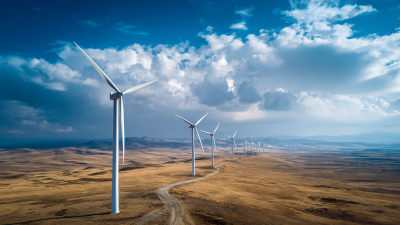
In regions with high wind potential, such as coastal areas and open plains, the construction of wind farms is gaining momentum. This trend is not only evident in developed nations but is also spreading to emerging economies, where the dual goals of increasing energy access and reducing greenhouse gas emissions are driving investment in wind technology. Furthermore, localized projects have the potential to boost economic opportunities in rural areas, creating jobs and fostering community growth. As a result, the adoption of wind power is becoming a global trend with positive implications for energy security and environmental sustainability, marking a significant shift towards a greener future.